Recovering movement after treatment is often gradual and requires clear goals.
Establishing practical, measurable steps at home can improve confidence and reduce setbacks.
This article outlines how to assess ability, build daily habits, and adapt living spaces for safer mobility.
Use these approaches to make steady progress without overwhelming yourself.
Assessing Abilities and Setting Realistic Goals
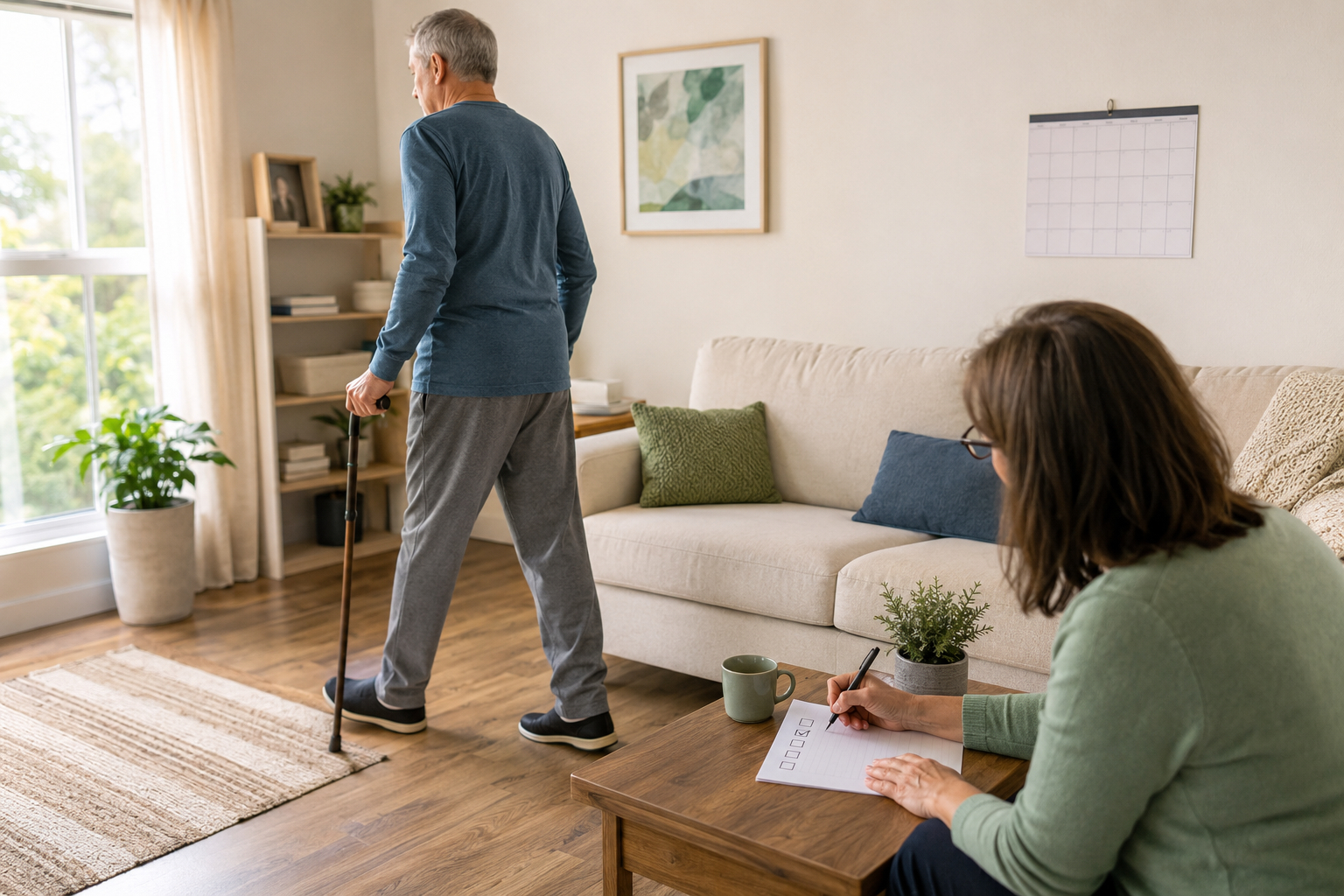
Begin with a simple baseline assessment of what you can do safely, noting walking distance, balance, and pain or fatigue triggers. Record these observations over several days to identify patterns and realistic starting points. Set short-term goals that are specific, measurable and time-bound, such as walking a certain number of steps or completing basic transfers with minimal assistance. Include one or two longer-term targets that focus on functional outcomes like returning to household chores or improving endurance.
Use simple tools like a notebook or app to record progress and make adjustments based on trends. Keep goals flexible and revisit them weekly. Adjust expectations based on real-world feedback.
Designing Safe Daily Movement Habits
Daily movement habits create structure and reduce the risk of deconditioning. Incorporate brief, frequent sessions of activity—three to five times daily—rather than a single long workout. Prioritize balance and functional exercises that mirror everyday tasks, and pay attention to breathing and posture. If pain or dizziness occurs, scale back and consult your care team before progressing.
- Short walking intervals
- Sit-to-stand repetitions
- Calf and ankle mobility drills
Consistency matters more than intensity in early recovery. Track minutes or repetitions to ensure gradual progression. Celebrate milestones and reassess goals monthly.
Creating a Supportive Home Environment
A supportive home environment reduces barriers and improves safety while you work toward mobility goals. Assess high-risk areas like stairs, thresholds, and slippery surfaces, and address them with simple changes. Good lighting, clear pathways, and non-slip mats can make daily movement more reliable. Consider tools that support independence, such as a stable chair or grab handles placed strategically.
- Rearrange furniture for clear walking routes
- Install night lights in hallways
- Keep commonly used items at reachable heights
Simple, low-cost modifications often yield the biggest impact. Involve family or caregivers in planning so changes are sustainable. Document changes so you can compare progress over time.
When to Involve Professionals
While many improvements can be made at home, professional input helps when progress stalls or symptoms worsen. Therapists can provide tailored exercise progressions, manual techniques, and functional training specific to daily tasks. An occupational assessment can suggest device options and more complex home modifications to support independence. Bring a short activity log and a list of concerns to make appointments efficient and productive.
If you notice increased pain, numbness, or loss of function, contact your care team promptly. Professional guidance complements home strategies and accelerates safe progression.
Conclusion
Setting achievable goals, daily habits, and home adjustments creates a reliable framework for recovery.
Progress will vary, so focus on consistency and safety rather than speed.
Regular review and small adjustments will keep you moving toward meaningful outcomes.