Recovering mobility after a medical event requires a clear, practical plan that fits daily life. Small, consistent actions at home can rebuild strength and confidence without overwhelming the body. This guide focuses on safe progress, environment adjustments, and simple movement strategies. Follow gradual steps and consult professionals when uncertainty arises.
Assessing recovery needs
Start by identifying current limitations and realistic short-term goals to guide daily practice. Consider pain levels, balance, endurance, and any prescribed restrictions to shape what movements are appropriate. Tracking progress with simple measures like timed walks or step counts helps adjust intensity. Use clear milestones to stay motivated and communicate changes with care providers.
Begin with low-impact activities that match abilities and avoid pushing through sharp or worsening pain. Rest patterns and sleep quality also influence recovery, so factor them into plans. Regular reassessment ensures exercises remain beneficial and safe.
Safe movement basics
Focus on controlled, repeatable movements that emphasize posture, breathing, and joint alignment. Begin each session with a short warm-up such as seated marches or gentle range-of-motion movements. Progress by increasing repetitions, then duration, and only later adding light resistance or complexity. Balance practice should be introduced gradually with support nearby.
- Warm up 5–10 minutes before activity.
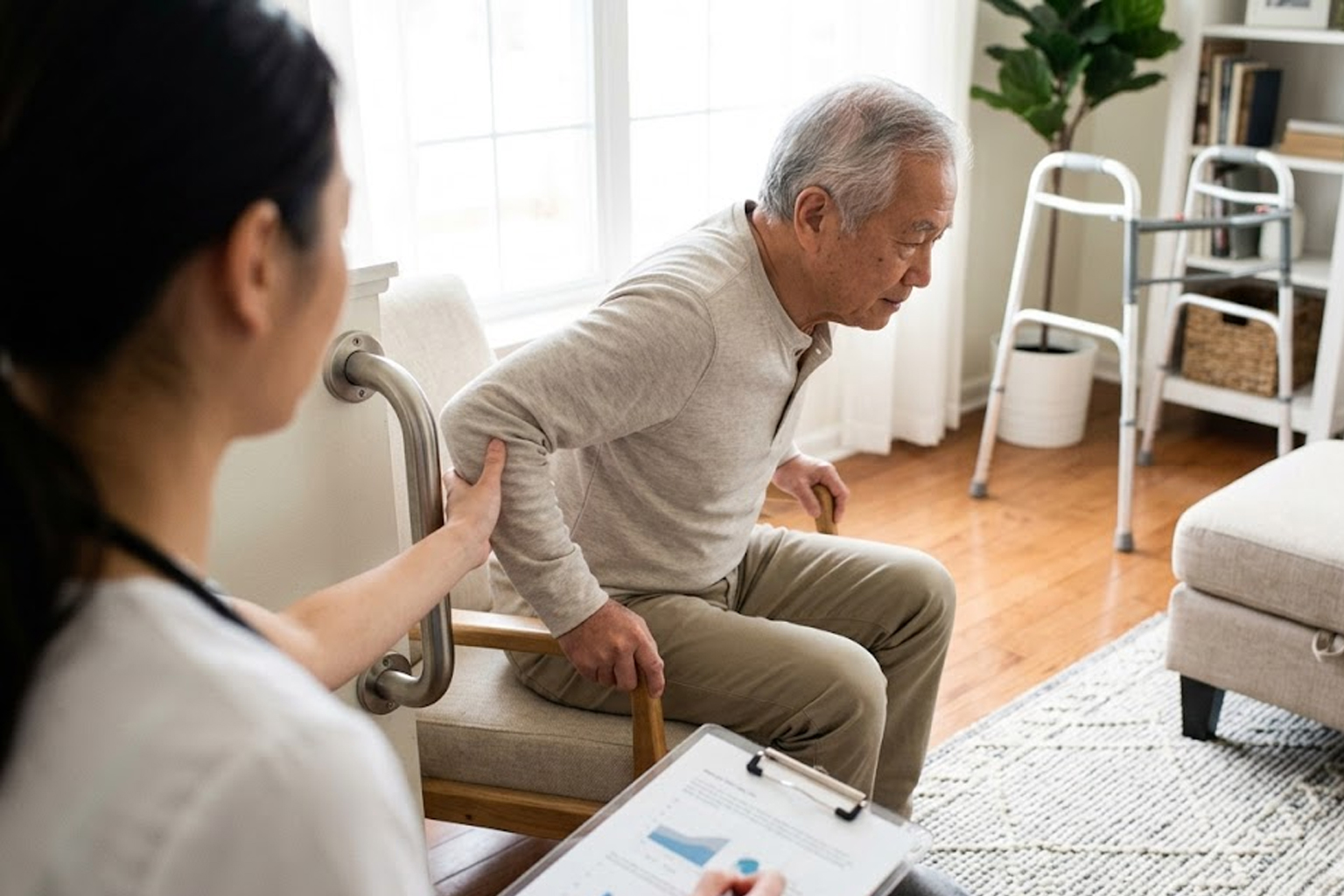
- Use a chair or wall for balance support when needed.
- Pace increases by 10–20% per week, monitoring symptoms.
Applying these basics consistently reduces injury risk and promotes steady improvement. Adapt techniques to individual comfort and any medical advice provided.
Home environment adjustments
Modify common areas to reduce fall risk and encourage independent movement throughout the day. Ensure clear pathways, non-slip rugs, stable seating, and accessible frequently used items to limit unnecessary reaching or bending. Consider simple aids like grab bars, raised toilet seats, or a shower chair for safer daily tasks. Lighting improvements and clear signage for steps or thresholds can also prevent missteps.
Small, inexpensive changes often yield significant safety gains and allow more confident practice of mobility exercises. Keep adjustments flexible so they can be refined as strength and balance improve.
Conclusion
Consistent, measured progress at home supports sustainable recovery and confidence.
Prioritize safety, regular reassessment, and simple environment changes.
Celebrate small gains and consult professionals when necessary.