Recovering comfortable movement after long-standing muscle or joint discomfort often starts with small, consistent changes at home. Adopting habits that reduce repetitive strain while encouraging gentle strength and flexibility can shift how your body responds day to day. This article outlines practical approaches to assess loads, introduce micro-movements, and arrange spaces to support recovery without provoking flare-ups. The aim is steady improvement through sustainable routines rather than quick fixes.
Recovery is built on consistency, so modest shifts repeated daily matter more than occasional intense efforts. These ideas are adaptable to most living situations and can be tailored to individual tolerance and goals.
Assessing Your Daily Strain
Start by mapping common activities that reproduce discomfort: long periods sitting, repeated lifting, or awkward postures during household tasks. Track when symptoms worsen and note context such as time of day, task intensity, and duration to identify patterns you can modify. Understanding cumulative load helps you prioritize small changes that reduce frequent triggers. This assessment is practical and avoids dramatic lifestyle overhauls, focusing instead on meaningful adjustments.
Use simple logs or a short note on your phone to capture trends across a week. Over time those notes reveal opportunities to redistribute load and plan micro-breaks that prevent escalation.
Designing Gentle Movement Patterns
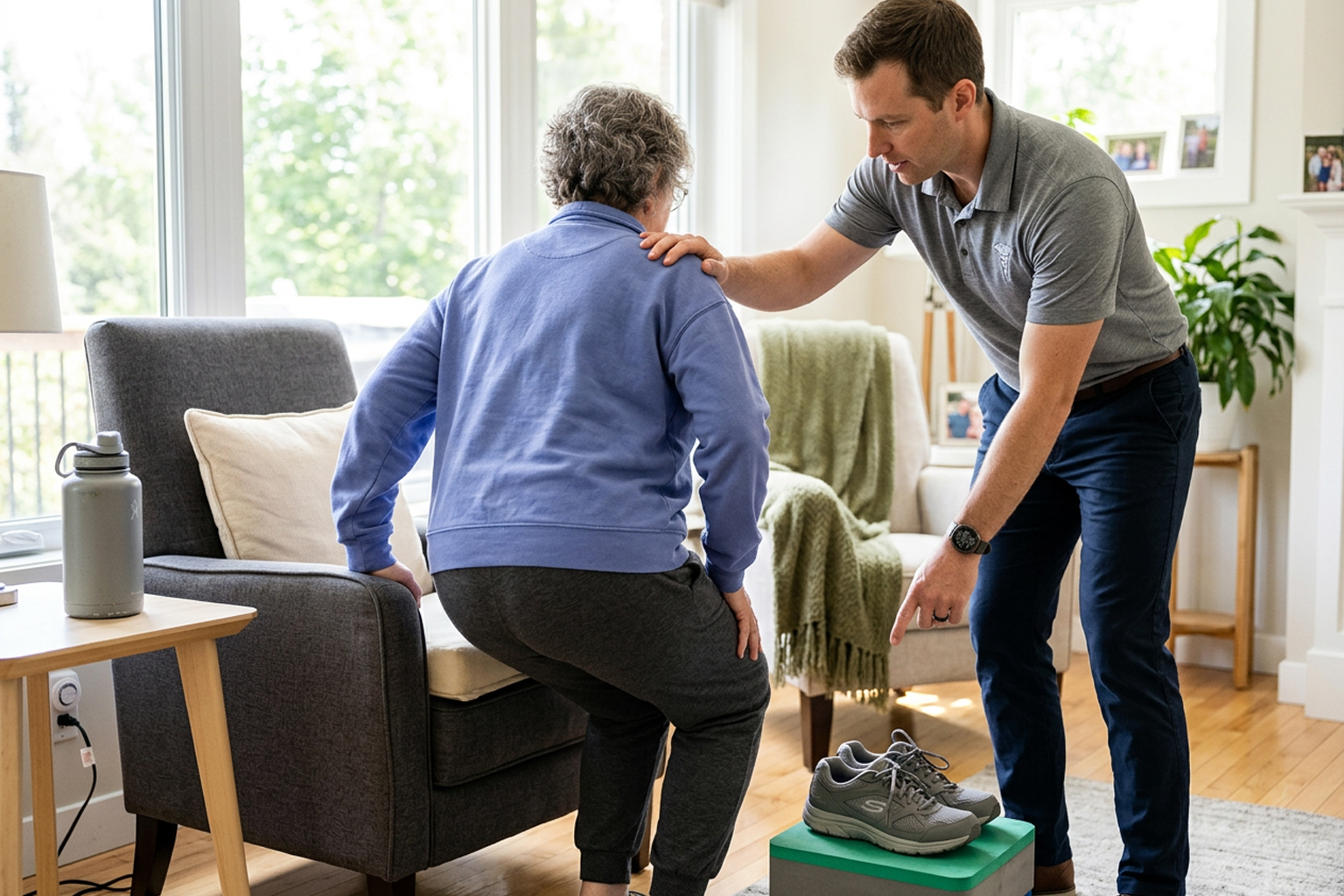
Introduce short movement cues into your routine that blend mobility and light strengthening without causing pain. Examples include controlled standing-to-sitting transitions, gentle hip and thoracic rotations, and slow scapular squeezes timed throughout the day. Build these into existing habits—during TV breaks, between chores, or when transitioning from desk work—to make them automatic. The goal is to increase tolerance and coordination, not to fatigue or push through sharp pain.
- Micromovements: 1–2 minutes every 30–60 minutes to reduce stiffness.
- Pacing: break larger tasks into shorter sets with rest in between.
- Progression: add volume or complexity gradually over weeks.
Monitor how each pattern affects comfort and adjust intensity accordingly to avoid setbacks. Consistency and gradual progression are the pillars of safe improvement.
Adapting Your Home Environment
Small ergonomic adjustments can dramatically reduce unnecessary strain: raise frequently used items to avoid bending, adjust seating height for neutral posture, and place reminders for movement near work areas. Consider the flow of tasks to minimize carrying loads across long distances and use supportive tools when helpful. Lighting, footwear, and surface height all influence how the body moves through daily routines. These changes complement movement practices by lowering baseline stress on tissues.
Revisit setups periodically as your capacity improves so that the environment continues to support progressive gains. A flexible, forgiving home setup makes regular practice more achievable.
Conclusion
Small, repeatable changes to movement and environment create a foundation for gradual recovery. Prioritize consistency, monitor responses, and adjust pace to stay within tolerable limits. Over time these gentle strategies can restore reliable, comfortable mobility at home.