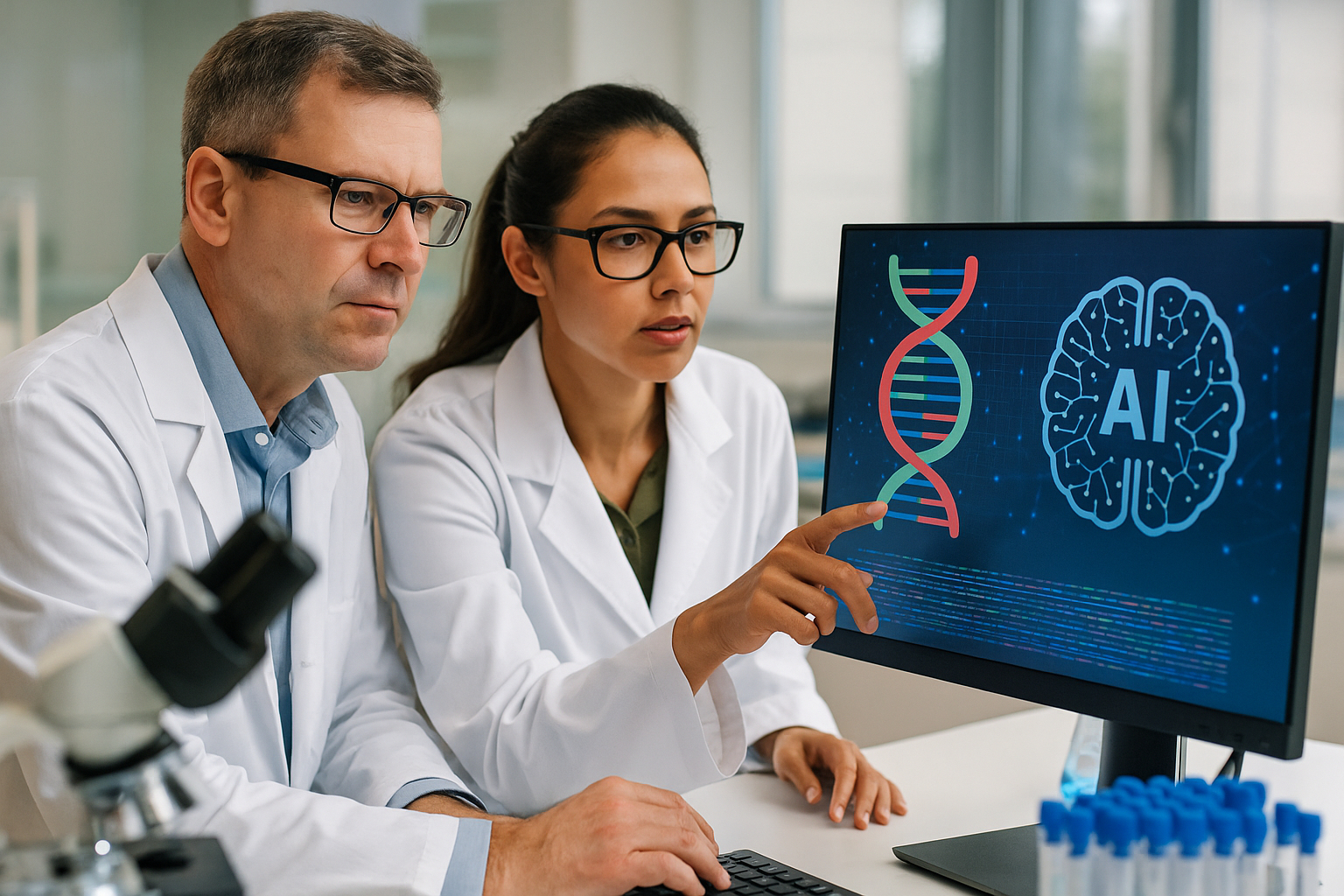
The combination of artificial intelligence and genomics is redefining what’s possible in modern healthcare. As scientists decode the human genome and collect massive amounts of biological data, AI is stepping in to analyze that information faster and more accurately than ever before. This powerful partnership is unlocking insights that can lead to earlier diagnoses, personalized treatments, and improved long-term health outcomes. For patients, providers, and researchers, AI-driven genomics represents one of the most promising advancements in the future of medicine.
Understanding the Power of Genomic Data
Genomics focuses on understanding an individual’s DNA—how genes function, interact, and influence overall health. With access to whole-genome sequencing, researchers can identify genetic risks, track hereditary conditions, and understand how the body responds to illness. However, genomic data is incredibly large and complex. That’s where AI becomes essential. Machine-learning models can process billions of data points quickly, turning raw genetic code into meaningful insights that support medical decisions.
AI Makes Personalized Medicine Possible
One of the biggest advantages of integrating AI with genomics is personalized treatment. Instead of relying on one-size-fits-all approaches, doctors can design care plans tailored to each patient’s genetic profile. AI models can predict how a person may respond to certain medications, identify the most effective therapies, and reduce the trial-and-error process of treatment. This leads to better outcomes and fewer side effects—especially for conditions like cancer, metabolic diseases, and autoimmune disorders.
Early Detection and Predictive Insights
AI-powered genomic analysis helps detect health risks long before symptoms appear. By identifying genetic markers related to chronic conditions, clinicians can intervene early with lifestyle changes or preventive treatments. Predictive analytics also help identify which patients are more likely to develop certain illnesses, giving providers a chance to personalize screenings and monitoring. This proactive approach can significantly reduce healthcare costs and improve long-term wellness.
Accelerating Research and Drug Development
In pharmaceutical research, integrating AI and genomics speeds up drug discovery. Researchers can analyze genetic patterns, identify promising drug targets, and predict how different patient groups may respond. What once took years of manual analysis can now be done in days. This acceleration helps bring new treatments to market faster and supports more effective clinical trials.
Conclusion
AI and genomics are together shaping the next generation of healthcare innovation. By transforming complex genetic data into clear, actionable insights, this powerful combination supports earlier diagnoses, personalized treatments, and more effective medical research. As the technology continues to evolve, AI-driven genomics will play a central role in improving patient outcomes and advancing the future of medicine.