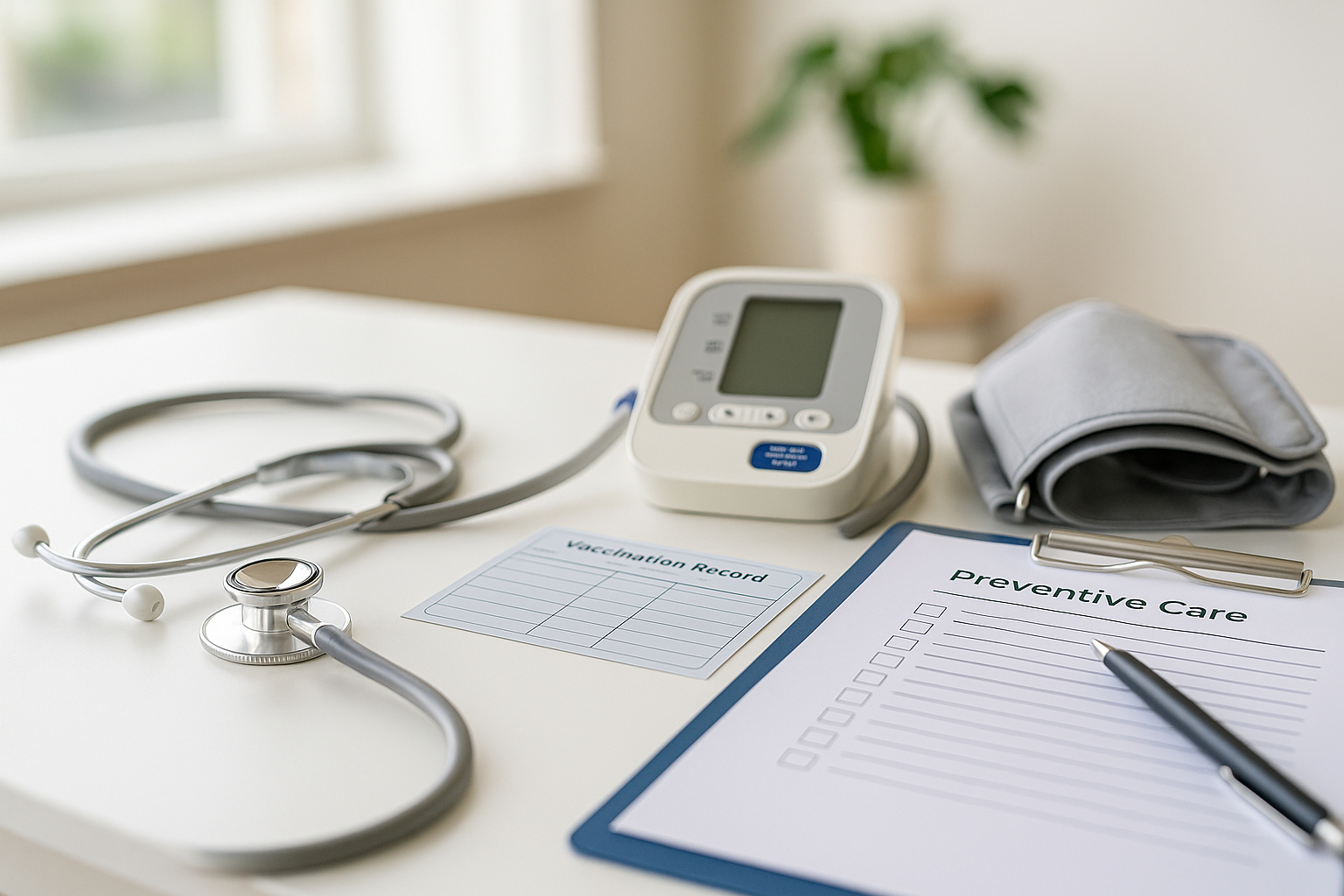
Preventive care has become one of the most essential pillars of modern medicine, helping individuals stay healthier while reducing long-term medical costs. Instead of waiting for conditions to worsen, preventive care focuses on early detection, routine checkups, and lifestyle interventions that keep illnesses from developing in the first place. As healthcare systems evolve, the shift toward prevention empowers people to take control of their well-being and enhances overall quality of life.
Early Detection Saves Lives
One of the strongest benefits of preventive care is the ability to identify health issues before symptoms appear. Routine screenings, lab tests, and physical exams can uncover early signs of chronic conditions such as diabetes, hypertension, or heart disease. Catching problems early often leads to simpler treatments, quicker recoveries, and significantly better outcomes. By addressing risks proactively, patients avoid complications that would otherwise require extensive medical intervention.
Reducing Healthcare Costs Through Prevention
Modern medicine recognizes that preventing illness is far more cost-effective than treating advanced disease. Regular checkups, vaccinations, and wellness visits help minimize the need for emergency care or long-term treatment plans. Preventive strategies also reduce hospital admissions and lower the overall burden on healthcare systems. For individuals and families, this approach results in fewer unexpected medical bills and better long-term financial health.
Empowering Patients With Knowledge
Preventive care encourages patients to stay informed about their health. Through consultations and screenings, healthcare providers educate individuals on nutrition, exercise, stress management, and lifestyle choices that support long-term wellness. This guidance builds confidence and helps people make informed decisions. With better understanding, patients become active partners in maintaining their own health rather than relying solely on treatment after symptoms arise.
Strengthening Public Health Outcomes
When large populations embrace preventive care, communities benefit as a whole. Vaccination programs, routine health checks, and early interventions reduce the spread of disease and improve overall public health. Preventive measures also help identify trends in emerging illnesses, enabling healthcare organizations to respond more effectively. A strong preventive care culture contributes to healthier workplaces, more resilient communities, and improved national health outcomes.
Conclusion
Preventive care is a cornerstone of modern medicine, offering early detection, lower healthcare costs, and better long-term wellness. By prioritizing routine care and healthy habits, individuals can protect their future and contribute to a stronger, more resilient healthcare system.