After medical treatment, rebuilding movement at home requires a careful balance between activity and rest. This guide outlines practical, safe steps you can use to progress steadily while reducing the risk of setbacks. It highlights sensible environment changes, graded activity, symptom tracking, and when to seek extra support. Use these suggestions alongside professional advice to create a recovery plan that fits your needs.
Creating a Safe Home Environment
Start by assessing common areas where falls or strain are most likely, such as stairs, bathrooms, and entryways. Remove loose rugs, secure cords, improve lighting, and arrange furniture to create clear paths that support confident walking. Consider simple adaptations like a stable chair at a comfortable height, non-slip mats in wet areas, and frequently used items stored within easy reach. These changes reduce unnecessary effort and lower the chance of accidental setbacks.
Small adjustments can make daily tasks more achievable and less tiring. Prioritize fixes that remove immediate risks and then address conveniences that save energy. Over time, your home will support safer, more independent movement.
Graded Activity and Daily Routines
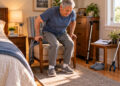
Progress should be gradual: short, frequent sessions are often more effective than long, exhausting efforts. Begin with gentle, functional movements such as sit-to-stand repetitions, short walks, and controlled reaching to rebuild strength and coordination. Set realistic goals that increase slightly each week, and use timers or a simple log to track improvements. Pacing helps manage fatigue and maintains consistent progress without triggering symptoms.
- Sit-to-stand from a chair: 5–10 repetitions, twice daily.
- Short walk indoors or around the block: 5–15 minutes, building time gradually.
- Calf raises or gentle heel-to-toe shifts to support balance.
Incorporate these movements into routines like morning and evening tasks so they become habits. Adjust intensity based on how your body responds to avoid overdoing it.
Monitoring, Rest, and Seeking Support
Track symptoms such as increased pain, dizziness, or excessive fatigue to guide decisions about activity levels and rest. Good sleep, planned rest breaks, and nutrition support recovery and help your body adapt to increased demands. When progress stalls or concerning symptoms appear, reach out to a clinician or therapist for tailored guidance and possible modifications. Assistive devices or a short program from a professional can often prevent setbacks and accelerate safe gains.
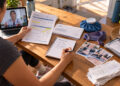
Regular check-ins—either in person or virtually—help fine-tune your plan and keep motivation steady. Combining monitoring with gradual progression builds confidence and reduces the risk of reinjury.
Conclusion
Rebuilding movement at home is a steady process that blends safety, gradual activity, and attentive rest. Simple environment changes, consistent small exercises, and symptom tracking make progress more reliable and sustainable. Work with health professionals as needed to tailor the approach and maintain momentum toward lasting recovery.