Recovering mobility after medical treatment is often a gradual process that benefits from consistent, small efforts and patient guidance. Simple daily movements can improve circulation, reduce stiffness, and rebuild confidence in movement. Focusing on balance and controlled progression helps prevent setbacks while encouraging steady improvements and greater functional independence. This guide outlines approachable practices you can integrate into everyday life to support recovery.
Assessing Movement and Home Safety
Begin by evaluating current movement abilities and any home hazards that could impede progress. Look for uneven rugs, poor lighting, and clutter that increases fall risk, and note which motions feel weakest or most uncomfortable, and areas of limited access. Consult with a clinician or therapist for personalized guidance when possible, and use their recommendations to prioritize exercises. Understanding your baseline makes it easier to set realistic, measurable goals for improvement.
Addressing simple environmental risks reduces anxiety around movement and encourages more consistent practice. Minor adjustments early on can make meaningful differences in daily safety and confidence.
Building Gentle Strength and Balance
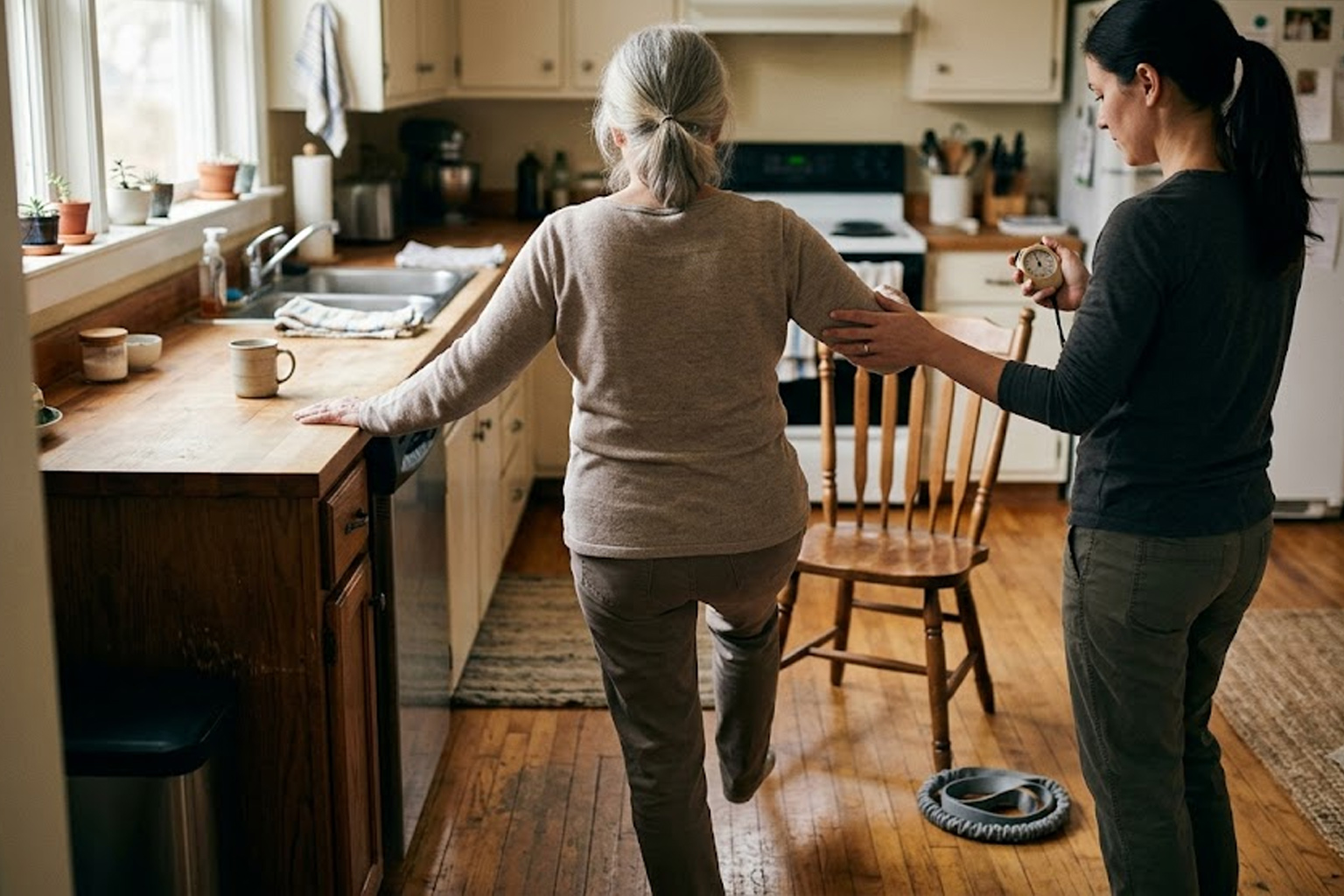
Choose low-impact activities that target core stability, leg strength, and proprioception such as sit-to-stand, heel raises, and single-leg stands with support. Start with a few repetitions several times daily, increasing volume and challenge gradually as comfort and ability improve. Emphasize controlled breathing and alignment to reinforce safe movement patterns and minimize compensatory habits that can cause strain. Regular short sessions often outperform less frequent intense workouts in sustaining progression.
Progression should be slow and measurable; track repetitions, ease, and any discomfort to guide adjustments and perceived effort levels. Incorporate assistive aids like a chair or rail when needed to maintain safety.
Creating a Supportive Home Routine
Structure a routine around natural daily moments—morning stretches, brief balance checks during breaks, and gentle mobility before bedtime—to make practice habitual. Use cues such as alarms, brushing teeth, or sitting down to tie exercises to established habits and reduce reliance on motivation alone. Vary movements to address flexibility, strength, and coordination while keeping sessions brief to avoid fatigue. Enlisting a family member or caregiver for encouragement and supervision can improve adherence and safety.
Consistency matters more than intensity; small, repeated actions compound into meaningful gains. Adjust the routine as progress occurs and celebrate incremental improvements.
Conclusion
Small daily movements, combined with attention to safety, can accelerate recovery and restore confidence. By assessing abilities, building gentle strength, and creating a predictable routine, most people make steady progress. Consult professionals when necessary and adapt practices to individual needs.