Recovering movement at home requires a careful mix of consistency, progression, and safety.
This guide outlines practical steps to rebuild strength, balance, and confidence in everyday routines.
It emphasizes realistic assessment, gradually challenging exercises, and simple environmental changes to reduce risk.
Read on for an adaptable approach that complements professional advice and supports steady progress.
Assessing Your Starting Point
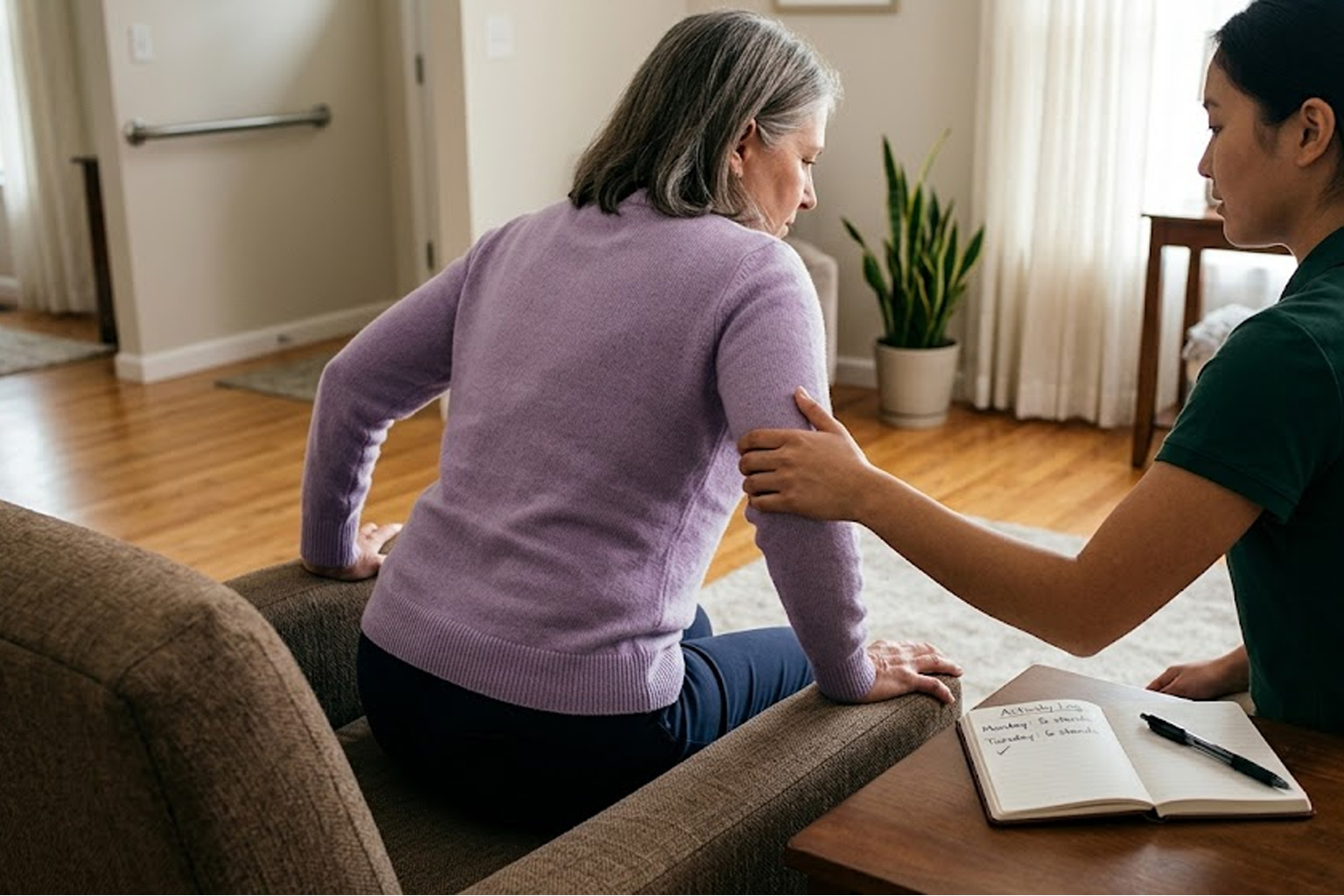
Begin by noting what you can do comfortably and what increases pain or fatigue, keeping a simple log of activity and symptoms. If possible, discuss that baseline with a clinician or therapist to confirm safe limits and identify priorities like balance, strength, or range of motion. Clear, measurable goals help track progress and keep motivation high, for example walking a set distance or standing from a chair without support. Regular reassessment every one to two weeks ensures exercises remain appropriate as capacity improves.
Set short-term milestones and celebrate small gains to maintain momentum. Consistent, modest improvements compound into meaningful functional recovery.
Safe Progressive Exercises
A balanced program includes gentle strengthening, flexibility, and balance tasks tailored to current ability. Start sessions with a light warm-up such as seated marches or shoulder rolls for five minutes to increase circulation. Progress by adding repetitions, increasing range, or introducing light resistance only when movements feel controlled and pain remains minimal. Aim for frequent brief sessions rather than one long effort to reduce fatigue and risk of setbacks.
- Example strength moves: sit-to-stands, heel raises, seated leg extensions.
- Balance drills: tandem stand, single-leg hold with support nearby.
- Flexibility: gentle calf, hip, and shoulder stretches held without bouncing.
Monitor response and scale intensity slowly; if pain flares, reduce load and consult a professional. Consistency and gradual challenge are the keys to safe gains.
Adapting the Home Environment
Small changes in the living space can dramatically reduce fall risk and support independence during recovery. Focus on clear walkways, secure rugs, adequate lighting, and stable seating with armrests that make transfers easier. Consider grab bars in key areas and temporary assistive devices like a cane if recommended by a clinician. Organize frequently used items at waist height to avoid bending or reaching that could strain healing tissues.
- Prioritize tripping hazards, lighting, and secure handholds in bathrooms and stairways.
Simple, inexpensive adaptations often have an immediate impact on confidence and safety. Revisit needs as mobility improves and remove aids when they are no longer required.
Building Sustainable Daily Habits
Integrate movement into routines by linking short exercises to daily activities, such as calf raises while waiting for the kettle or seated leg lifts during TV commercial breaks. Keep a brief activity log or use reminders to maintain consistency, and include rest periods to avoid overtraining. Social support from family or a local group boosts adherence and provides encouragement when progress stalls. Focus on function-first goals that matter to daily life, like climbing stairs or carrying groceries, rather than abstract performance targets.
Patience and persistence are essential; prioritize safe, repeatable habits over dramatic leaps in intensity. Over time, these routines will restore both ability and confidence.
Conclusion
Daily, measured efforts that combine assessment, safe exercise, and environmental adjustments support steady mobility recovery.
Keep goals specific and celebrate progress while monitoring symptoms and consulting professionals when needed.
With consistency and appropriate modifications, most people regain meaningful function and independence at home.