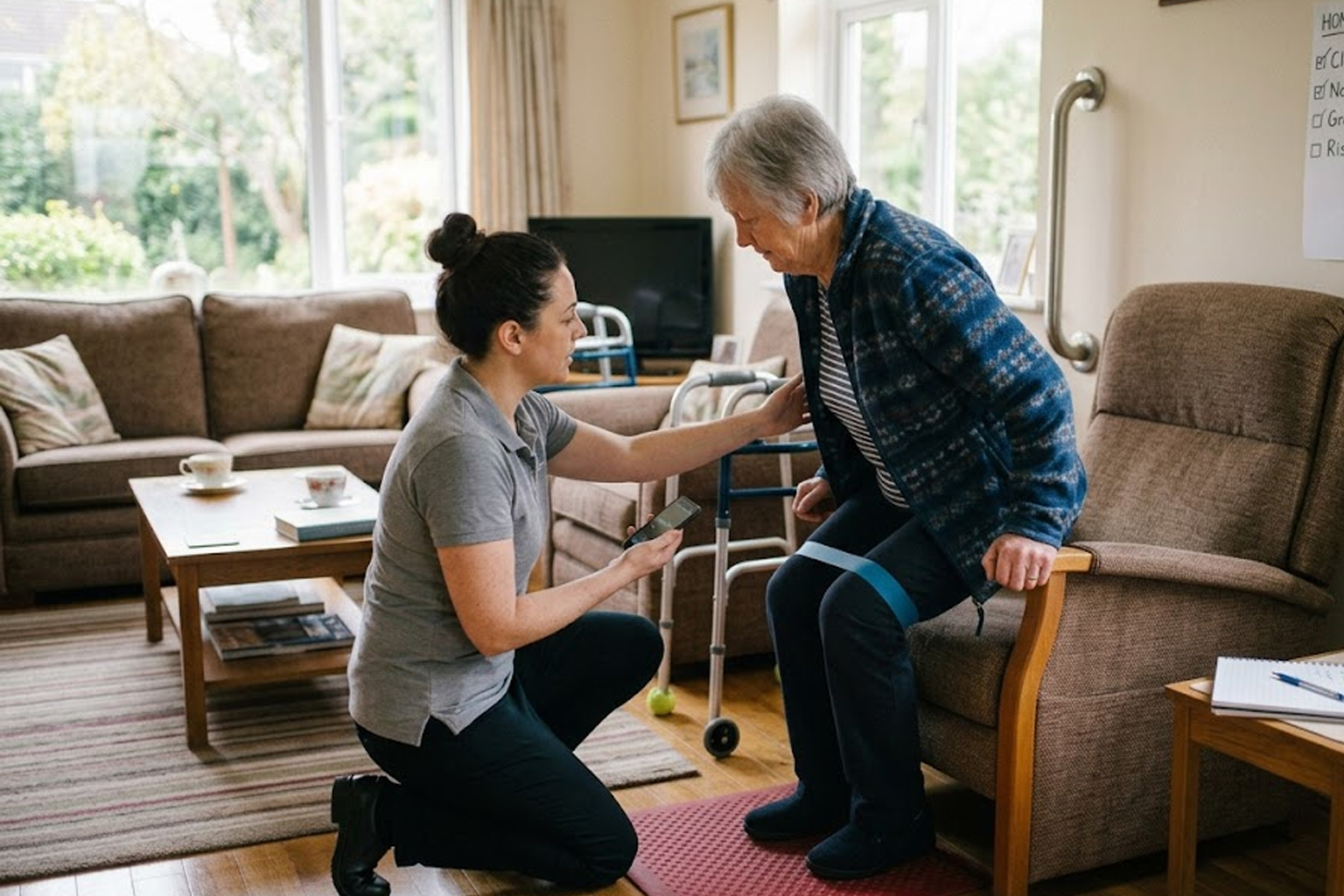
Recovering movement after illness or treatment is often gradual, and how you move at home matters. Small, consistent habits can reduce strain and support steady improvement without overwhelming the body. This article outlines practical, low-risk steps to rebuild mobility while minimizing setbacks. Use these ideas to create a manageable routine that fits daily life.
Start with realistic baseline checks
Begin by identifying current limits and comfortable ranges of motion before increasing activity. Observe how daily tasks feel, note pain patterns or fatigue, and consult a clinician when unsure. Simple measures like timing walks or recording how many steps you take can reveal realistic starting points. Establishing an honest baseline prevents pushing too quickly.
Keep initial sessions brief and focused on control rather than intensity. This reduces the chance of flare-ups while building confidence.
Design short, frequent movement sessions
Frequent short sessions help build endurance without excessive fatigue. Aim for multiple five- to ten-minute blocks focused on gentle strengthening, range-of-motion work, and balance practice. Prioritize quality of movement — slow, controlled repetitions are more effective than hurried motions. Incorporate breathing and posture checks to support alignment.
- Gentle sit-to-stand repetitions
- Calf and ankle mobility drills
- Seated marching and arm raises
Rotate exercises over the day to avoid repetitive strain. Adjust intensity based on energy and comfort.
Adapt your environment for safer practice
A few environmental tweaks can make movement safer and more accessible. Remove tripping hazards, secure rugs, and arrange chairs to provide stable support during transitions. Use simple tools like firm chairs, non-slip mats, or a walking aid recommended by a professional. Light, even lighting reduces balance surprises and helps maintain confidence.
Small, inexpensive changes often have outsized benefits. Review the space regularly as mobility improves.
Track progress and recognize setbacks
Record short notes after sessions to track improvements in range, repetition count, or reduced discomfort. Celebrate small gains to stay motivated, and be ready to scale back if new or worsening symptoms appear. If setbacks persist, reach out to a healthcare provider to adjust the plan. Objective measures, like timing a walk or counting controlled repetitions, clarify progress.
Consistent tracking makes it easier to refine routines over weeks. Patience and steady adjustments are key.
Know when to seek professional input
Professional guidance can refine a home plan and address barriers you cannot safely manage alone. Consider advice if pain increases, mobility declines, or if you struggle to progress despite consistent effort. A therapist can suggest tailored modifications, manual techniques, or safer progressions that respect healing timelines. Early consultation often prevents unnecessary setbacks.
Don’t view professional care as a last resort; it complements home habits. A brief assessment can streamline recovery.
Conclusion
Building safe movement habits at home is a process that balances consistency with caution. Focus on short, controlled practice, environmental safety, and honest tracking to promote steady gains. With time and attention, many people regain functional confidence without undue risk.