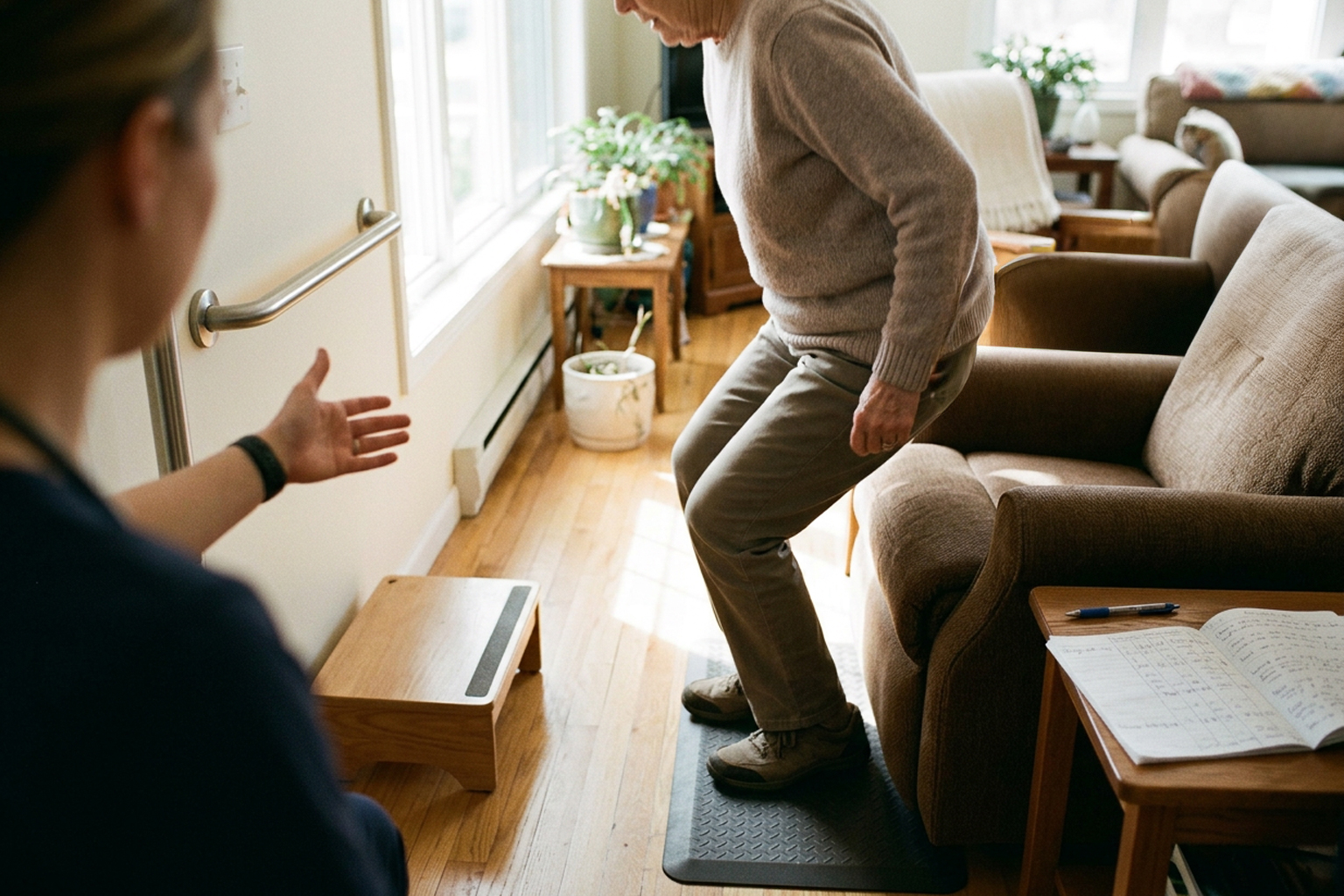
Recovering functional movement at home requires a careful balance of gradual exercise, environmental adjustments, and consistent monitoring. A thoughtful plan reduces risk and supports steady progress toward everyday tasks like standing, walking, and reaching. This article outlines practical steps to assess ability, build strength and balance, adapt the living space, and track recovery safely. Use these ideas to create a sustainable routine that respects healing timelines and individual limits.
Assessing Your Starting Point
Begin by evaluating your current abilities and limitations in simple, observable ways. Note how long you can stand without support, the steadiness of your gait, and any pain or fatigue that limits activity. Recording baseline measures gives context for gradual increases and helps communicate progress to a clinician or caregiver. If mobility or pain is significant, seek advice before increasing activity intensity.
Keep assessments practical and repeatable so you can compare results over days and weeks. Small, consistent measurements are more informative than occasional, strenuous tests. This baseline approach helps set realistic short-term goals and prevents overambitious steps that could cause setbacks.
Designing Functional, Progressive Exercises
Focus on exercises that replicate daily tasks: sit-to-stand repetitions, supported marching, gentle step-ups, and reaching patterns. Start with low repetitions and frequent rest, increasing volume before intensity by adding sets or reducing assistance. Prioritize form and control over speed to reinforce safe movement patterns and reduce compensatory habits. Include brief balance challenges like tandem stance or single-leg support when appropriate.
- Example progression: chair stands → partial squats → stepping onto a low stair.
- Balance drills: weight shifts, heel-to-toe walking, supported single-leg holds.
Schedule short, daily practice sessions rather than infrequent long workouts to build endurance and confidence. Consistency fosters neural and muscular adaptation more effectively than sporadic high-effort sessions.
Adapting Your Home Environment
Reduce fall risk by removing tripping hazards, ensuring good lighting, and arranging frequently used items within easy reach. Install temporary supports where needed, such as grab bars or a stable chair with armrests, to assist transfers and standing. Clear pathways and consider non-slip mats in wet areas to maintain traction. These adjustments allow you to practice movement safely and independently.
Small, targeted changes often yield big safety improvements without major expense. Reassess the environment as mobility improves and remove supports gradually to encourage independence.
Monitoring Progress and Safety
Track symptoms, activity duration, and functional milestones in a simple log to recognize trends and identify setbacks early. Use objective markers—number of steps, repetitions, or minutes standing—and subjective notes on pain or confidence. If new or worsening symptoms appear, pause progression and consult a professional. Regular feedback helps refine the plan and maintain motivation.
Celebrate small gains and adjust goals based on measurable improvements rather than strict timelines. A flexible, evidence-informed approach keeps recovery steady and sustainable.
Conclusion
Safe home movement recovery combines realistic assessment, progressive functional exercises, and practical environmental changes. Consistent monitoring and incremental goals reduce risk and support lasting improvements. With patience and structure, daily routines can rebuild strength, balance, and confidence at home.