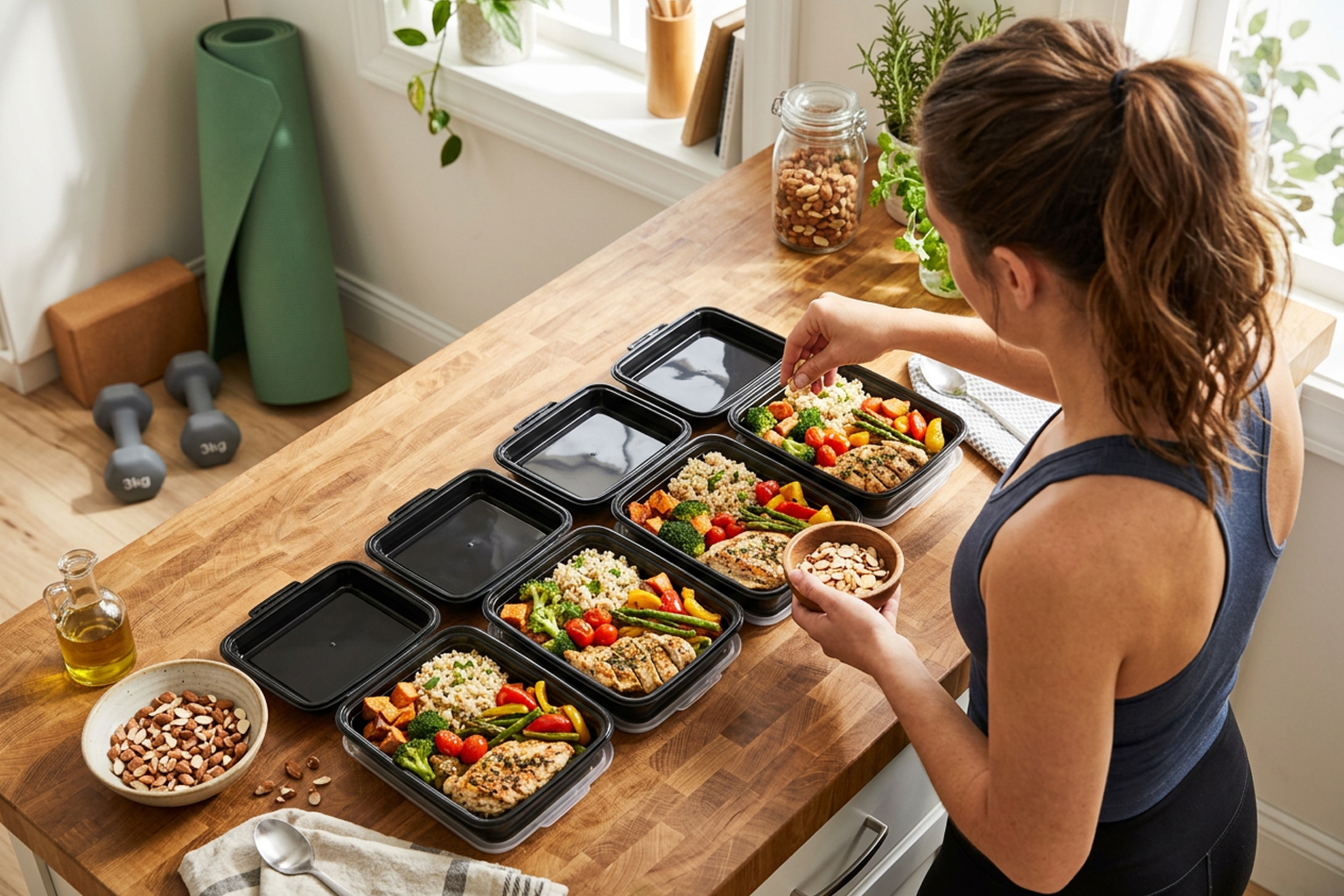
Consistent meal structures help you maintain steady energy and support recovery between home workouts without complicated planning. By focusing on balanced components and simple templates, it becomes easier to eat well even on busy days. This article outlines practical plate strategies and realistic tips to build meals that align with training demands and daily life. Use these approaches to reduce decision fatigue while improving performance and overall well-being.
Core Meal Components
Every effective meal includes a source of protein, a carbohydrate for immediate energy, healthy fats for satiety, and vegetables or fruit for micronutrients and fiber. Protein supports muscle repair and should appear at each meal, while carbohydrates time to workouts can boost performance and recovery. Fats slow digestion and keep you feeling full, and colorful vegetables add vitamins and minerals that support metabolic processes. Hydration is also essential—adequate fluid intake helps nutrient transport and maintains exercise capacity.
Balancing these components is less about strict ratios and more about consistency: choose reliable protein sources, whole-food carbs, and a variety of produce. Small, repeatable choices make it easier to hit daily needs without stress.
Sample Plate Templates
Simple templates reduce guesswork and make shopping and cooking faster. For breakfast, aim for eggs or yogurt, a whole-grain option, and fruit or greens. For lunch, think of a lean protein, mixed vegetables, and a whole grain or starchy vegetable. Dinner can mirror lunch with flexible swaps like fish for chicken or sweet potato for rice.
- Breakfast: Greek yogurt, oats, berries, and a handful of nuts.
- Lunch: Grilled chicken, quinoa, mixed greens, and olive oil.
- Dinner: Baked salmon, roasted vegetables, and a small baked potato.
These templates are adaptable—use canned beans, frozen vegetables, or eggs to keep costs and prep time low while maintaining nutrient balance.
Practical Tips for Consistency
Batch cook key ingredients once or twice a week: proteins, grains, and roasted vegetables store well and speed up meal assembly. Keep a few go-to pantry items such as canned tuna, beans, whole grains, and nuts to build quick balanced meals. Use portion visuals—protein about the size of your palm, carbs the size of your fist, and fill the rest with vegetables—to simplify serving sizes without weighing food.
Adjust portions around training: slightly larger carbohydrate portions before and after intense sessions, and modestly smaller on rest days. Small, sustainable changes are more effective than extreme diets.
Conclusion
Adopting simple meal structures reduces decision fatigue and supports both energy and recovery for home workouts. Focus on repeatable templates, balanced components, and minor adjustments for training intensity. Over time these habits create reliable nutrition without overwhelming your schedule.