

<p>Everyday joint comfort depends on steady, thoughtful habits rather than quick fixes.
Small changes to how you move, rest, and set up your spaces can reduce flare-ups and support gradual gains.
This article outlines practical, progressive strategies to protect joints in a home setting and build reliable function over time.
Use these ideas as a framework to tailor routines to your needs and avoid common pitfalls.</p>
<h4>Assessing Baseline and Managing Load</h4>
<p>Begin by establishing a clear baseline: note daily tasks that trigger discomfort and tasks that are tolerable. Distinguish between temporary muscle soreness from increased use and persistent joint pain that suggests overload. Use simple tracking for a week to identify patterns, then reduce or modify activities that reliably provoke symptoms. This assessment helps you distribute effort and prevents recurring spikes that derail progress.</p>
<p>Start with shorter tasks and more frequent rest breaks until a steady pattern emerges. Gradually reintroduce longer or heavier activities as tolerance improves.</p>
<h4>Progressive Strength and Movement</h4>
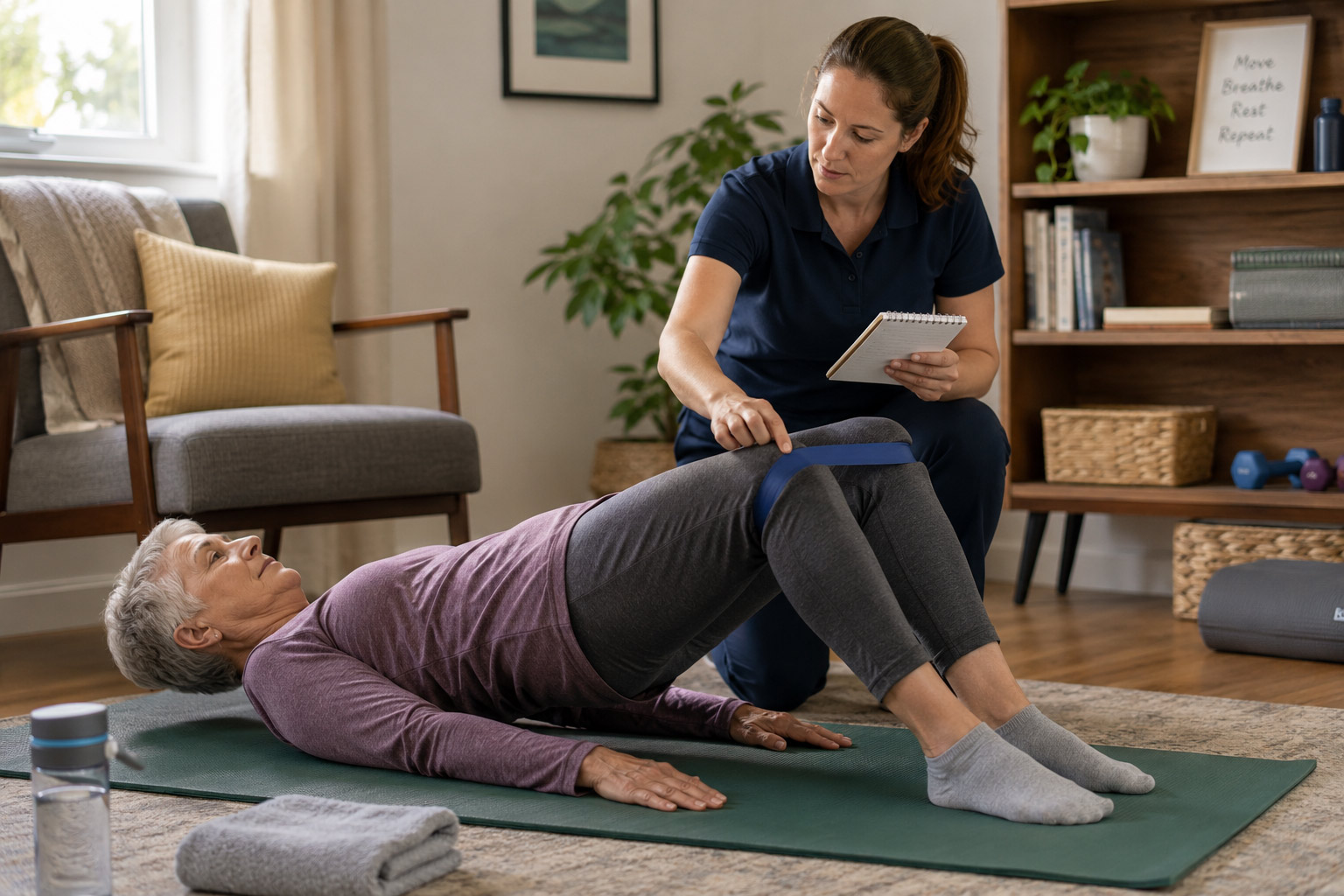
<p>Targeted strength and mobility work supports joints by improving the muscles that control and protect them. Choose low-impact exercises that load joints in functional ways, such as controlled squats, hip bridges, and shoulder rows with bands or body weight. Aim for slow, quality repetitions and increase volume or resistance by no more than 10 percent every one to two weeks. Integrating balance and control drills reduces compensatory movement and spreads load more evenly across tissues.</p>
<p>Keep sessions brief but consistent, focusing on technique to maximize benefit and minimise risk. Small, steady increases over months build durable capacity.</p>
<h4>Ergonomics and Environment</h4>
<p>Adjusting how your home is arranged can dramatically reduce cumulative strain on joints throughout the day. Raise or lower work surfaces, use supportive seating, and keep commonly used items within easy reach to avoid repetitive overreaching. Microbreaks and simple positional changes break up static loads and give irritated tissues a chance to recover. Lighting and footwear also matter: comfortable shoes and clear sightlines help preserve natural movement patterns.</p>
<p>Think of your environment as part of your exercise plan; small tweaks often yield outsized benefits. Review setups periodically as your tolerance and routines change.</p>
<h4>Monitoring Progress and Pacing Activity</h4>
<p>Track simple measures like pain trend, sleep quality, and ease of daily tasks to judge whether changes are helping. When activity causes a brief increase in symptoms, allow 24 to 48 hours to recover before progressing further. Use pacing strategies such as alternating higher and lower demand days and scheduling purposeful recovery activities like gentle stretching or icing when needed. Feedback from consistent monitoring informs smarter adjustments and prevents setbacks.</p>
<p>Stay flexible and adjust plans when symptoms persist or worsen. Consult professionals for new or unexplained changes in function.</p>
<h4>Conclusion</h4>
<p>Adopting progressive, home-based practices protects joints and supports steady improvement.
Focus on assessment, gradual loading, and environmental tweaks to reduce cumulative strain.
Consistency and careful monitoring are the keys to lasting comfort.</p>










