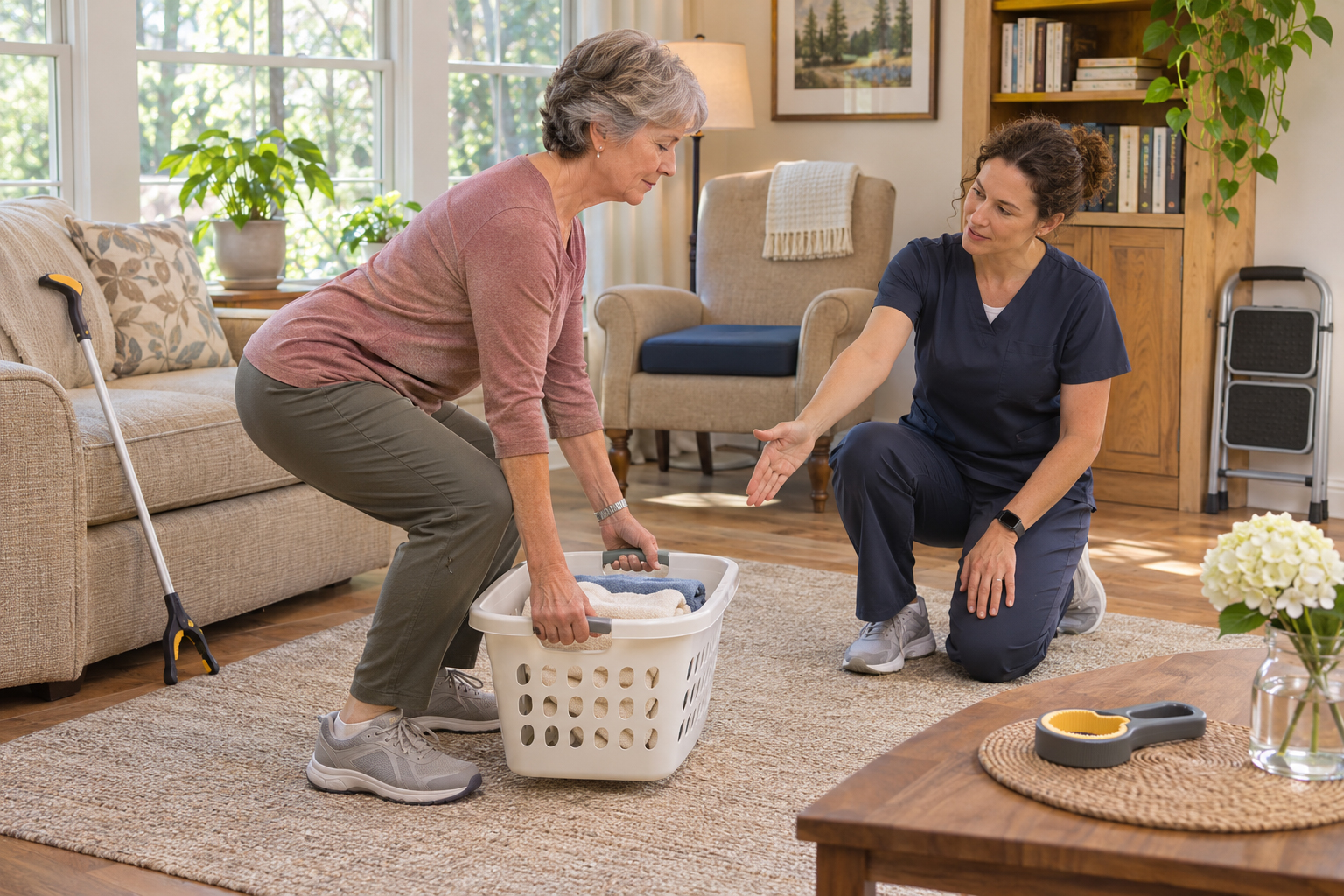
After a procedure or flare-up, joints can be sensitive for weeks or months, and how you use them at home matters. Small habits — how you stand, reach, or carry items — affect pain and the pace of healing. This piece focuses on manageable, evidence-aligned choices you can make without fancy equipment. Clear, consistent adjustments often reduce strain and speed a return to normal activity.
Supportive positions and posture habits
Keeping good joint alignment lowers pressure and prevents compensatory pain elsewhere. When sitting, choose chairs with firm backs and keep hips and knees at roughly the same level; avoid slumping or twisting when reaching for objects. While standing, distribute weight evenly between feet and shift position every 20 to 30 minutes to avoid stiffness. Simple cues—like tucking the chin slightly and lengthening through the spine—help preserve joint mechanics during daily tasks.
These positioning habits take repetition before they feel natural. Start with short reminders and build up each day until they become automatic.
Smart task adjustments to reduce strain
Reworking how you do common chores often cuts joint load dramatically. Bring frequently used items within easy reach, use a lightweight basket for carrying, and sit for tasks such as folding laundry or meal prep when possible. If you need to lift, hinge at the hips with a straight back and let your leg muscles do the work rather than bending from the waist. Break activities into shorter sessions with intentional rests to avoid prolonged stress on a healing joint.
- Use a step stool rather than reaching above shoulder height.
- Slide heavy objects instead of lifting whenever practical.
- Choose ergonomic handles or jar openers to reduce grip force.
These modest changes cost little but reduce the cumulative load on vulnerable joints. Over time they lower pain and make activity more predictable.
When to add tools or seek guidance
Simple aids can make daily life safer and more comfortable, but they should match your needs. Items such as raised toilet seats, long-handled reachers, or non-slip mats solve specific problems without creating dependency. If pain limits walking, balance, or sleep, consult a clinician or physical therapist for targeted strategies and a graded activity plan. Professional input helps avoid doing too much too soon and identifies exercises that strengthen surrounding muscles without irritating the joint.
Pairing practical tools with expert advice often speeds recovery while keeping activity safe. Start small, track progress, and adjust tools as comfort returns.
Conclusion
Protecting joints during recovery means combining posture, task changes, and simple aids to cut strain. Consistent small habits reduce pain and support steady progress back to regular life. If pain or function worsens, get professional guidance so adjustments match your stage of healing.