Good-quality sleep is a cornerstone of effective recovery after exercise or injury. The body uses sleep to repair tissues, consolidate learning, and regulate hormones that influence inflammation and growth. Many people underestimate how changes to timing, environment, and habits can improve recovery outcomes. This article explains practical, evidence-informed steps to make sleep more restorative without medical jargon.
Why sleep matters for recovery
Sleep supports muscle repair, immune function, and cognitive restoration in distinct phases. Deep slow-wave sleep promotes tissue repair while REM sleep helps with memory and motor learning. Insufficient or fragmented sleep impairs protein synthesis and raises markers of inflammation, which slows recovery. Understanding these mechanisms helps prioritize sleep alongside training and rehabilitation.
Treating sleep as a non-negotiable part of a program can speed gains and reduce injury risk. Small, consistent improvements often yield large benefits over weeks.
Creating an evening routine
A predictable evening routine signals the body to wind down and improves sleep onset. Reduce exposure to bright screens 60–90 minutes before bed, favor calming activities like reading or gentle stretching, and schedule training sessions earlier when possible. Avoid heavy meals and stimulants late in the day to minimize sleep disruption. Consistency in bedtime and wake time strengthens circadian rhythms and aids hormonal balance.
Start by shifting one habit at a time to make changes sustainable. Track the impact over several weeks rather than expecting immediate transformations.
Optimizing your sleep environment
Your bedroom environment plays a major role in sleep quality. Aim for a cool, dark, and quiet space; temperature between about 60–68°F is commonly optimal and blackout curtains or eye masks reduce light pollution. Consider white noise or earplugs if noise is unavoidable, and choose bedding that supports comfort and pressure relief. Limit bedroom activities to sleep and intimacy to reinforce the mental association with rest.
- Keep temperature cool and stable.
- Block external light with shades or masks.
- Reduce noise and bedroom clutter to lower arousal.
Small investments in mattresses, pillows, or blackout shades can pay dividends in recovery capacity. Review environmental adjustments seasonally as needs change.
Tracking sleep and recovery
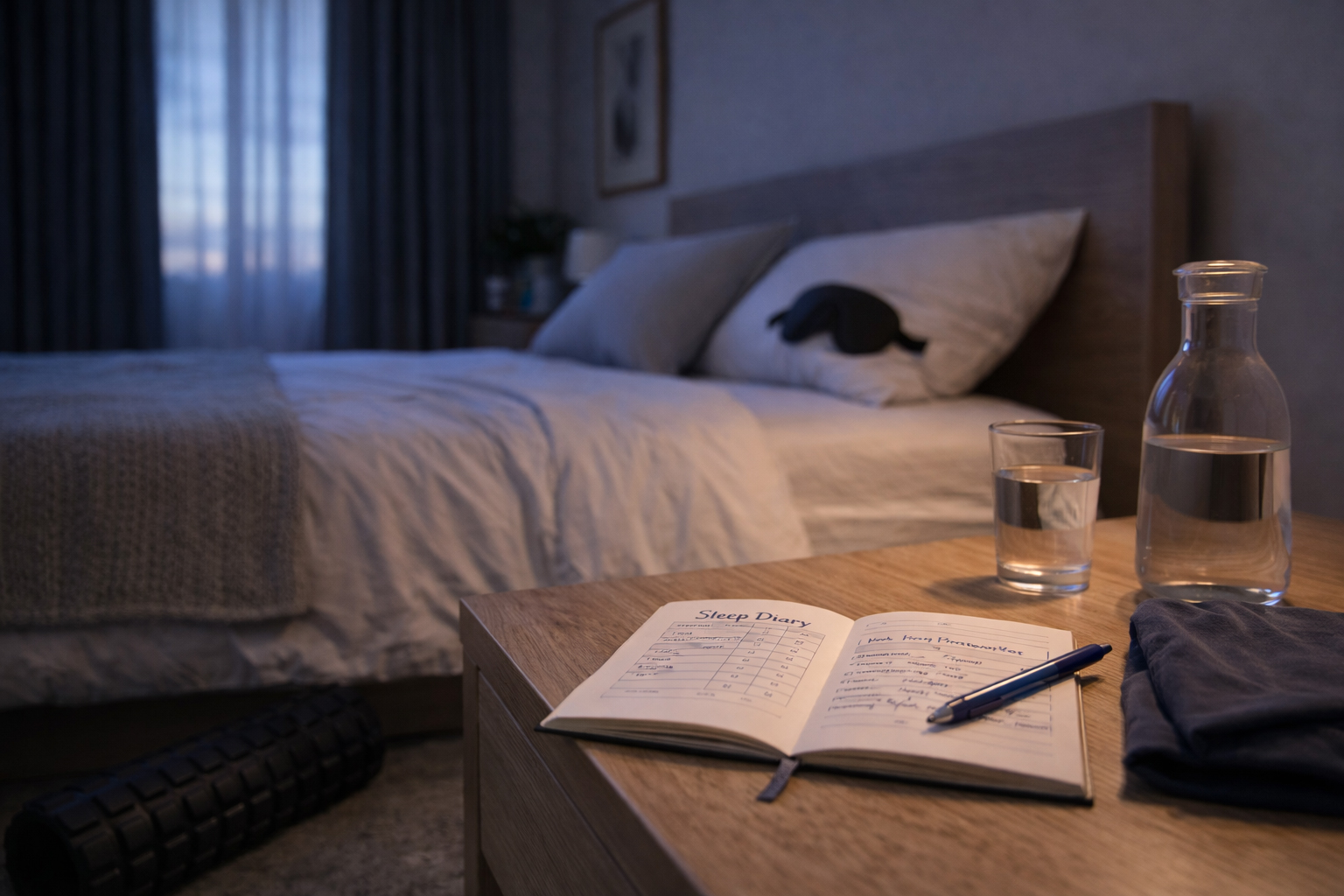
Monitoring sleep and recovery helps you see which changes actually matter for performance. Use a sleep diary or a simple tracker to note sleep duration, perceived quality, training load, and daytime energy for several weeks. Wearable devices can offer useful trends in timing and interruptions, but prioritize how you feel over raw metrics. Regularly reviewing patterns clarifies what habits produce better recovery and identifies when to adjust training intensity.
If persistent problems arise, consult a sleep specialist or clinician to rule out disorders. Many adjustments are simple, but professional input ensures safe, effective solutions.
Conclusion
Prioritizing sleep is as important as training intensity when recovery is the goal. By adopting consistent routines, optimizing your environment, and monitoring how changes affect performance, you can accelerate repair and reduce setbacks. Start with one manageable habit and build from there.