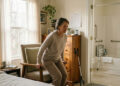
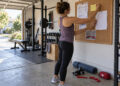
Recovering at home after a medical event or minor procedure presents both challenges and opportunities for maintaining fitness safely. Carefully chosen movements can support mobility, circulation, and mood without compromising healing. This article outlines practical adjustments and planning strategies to keep activity productive and low risk. The focus is on gradual progression, attentive monitoring, and routines that respect individual recovery timelines.
Start with a realistic assessment
Before beginning any home exercise plan during recovery, take stock of current limitations and recent medical advice, and recognize that progress may be non-linear. Notice pain patterns, fatigue levels, and any restrictions imposed by a clinician or therapist, and use those observations to shape daily goals. Simple functional tests such as sitting to standing, short walks, or range-of-motion checks can inform appropriate intensity. Setting modest, measurable aims helps maintain motivation while reducing the likelihood of setbacks.
Tailor gentle routines to recovery stage
Design short sessions that prioritize controlled movement, flexibility, and light strengthening appropriate to the recovery phase, beginning with low-impact options and slow tempo. For early stages, focus on mobility and circulation through ankle pumps, gentle shoulder rolls, and diaphragmatic breathing to support oxygenation and comfort. As tolerance improves, introduce brief resistance exercises using bodyweight, resistance bands, or light household items, gradually increasing repetitions rather than load. Maintaining consistency—five to seven short sessions per week—often yields better outcomes than infrequent intense efforts.
Emphasize technique, pain awareness, and breathing
Proper form and breath control reduce compensatory patterns that can prolong recovery or create new discomfort, so prioritize slow, deliberate movement and exhale during effort. Use mirrors or a trusted companion to observe alignment, and break exercises into smaller parts if full range feels challenging. Remember that mild, transient soreness can be expected, but sharp pain, numbness, or progressive swelling are signals to pause and reassess. Incorporating breathing and relaxation techniques also helps manage stress and supports autonomic balance during convalescence.
Monitor progress and know when to seek help
Track simple metrics such as distance walked, exercise duration, or perceived exertion to gauge improvement and inform gradual progression, and adjust plans when plateaus or regressions occur. Keep a short daily log of energy, sleep quality, and any unusual symptoms to share with health providers if needed. Learn clear red flags that require professional input, including uncontrolled pain, increasing shortness of breath, or loss of function.
- Stop and consult if symptoms worsen suddenly.
- Contact a clinician for persistent or increasing limitations.
Regular check-ins with a clinician or physical therapist can refine exercises and ensure safety while supporting steady recovery gains.
Conclusion
Thoughtful, gradual exercise adaptations at home can support recovery without jeopardizing healing when based on realistic assessments and careful monitoring. Prioritize technique, breath, and incremental progression, and keep an open line with healthcare providers for guidance. Small, consistent efforts often produce the most sustainable improvements during convalescence.