Recovering from a medical event often requires rethinking home fitness so progress and safety go hand in hand.
Start by recognizing current limits and the pace your body can tolerate while healing.
Small, consistent sessions tend to produce better outcomes than sporadic intense efforts.
This article outlines practical steps to adapt workouts without compromising recovery.
Assessing Your Current Abilities
Begin with a realistic assessment that considers pain levels, range of motion, endurance, and any medical advice you’ve received. Testing can be as simple as monitoring how long you can walk comfortably or how many repetitions you can perform without increased symptoms. Keep a short daily log to track gradual improvements and to spot setbacks early. If uncertain about a movement, consult a clinician or a qualified rehabilitation specialist for tailored guidance.
Use objective markers like walking distance or perceived exertion to guide progression. These measures help you improve steadily while minimizing risk.
Designing Safe At-Home Workouts
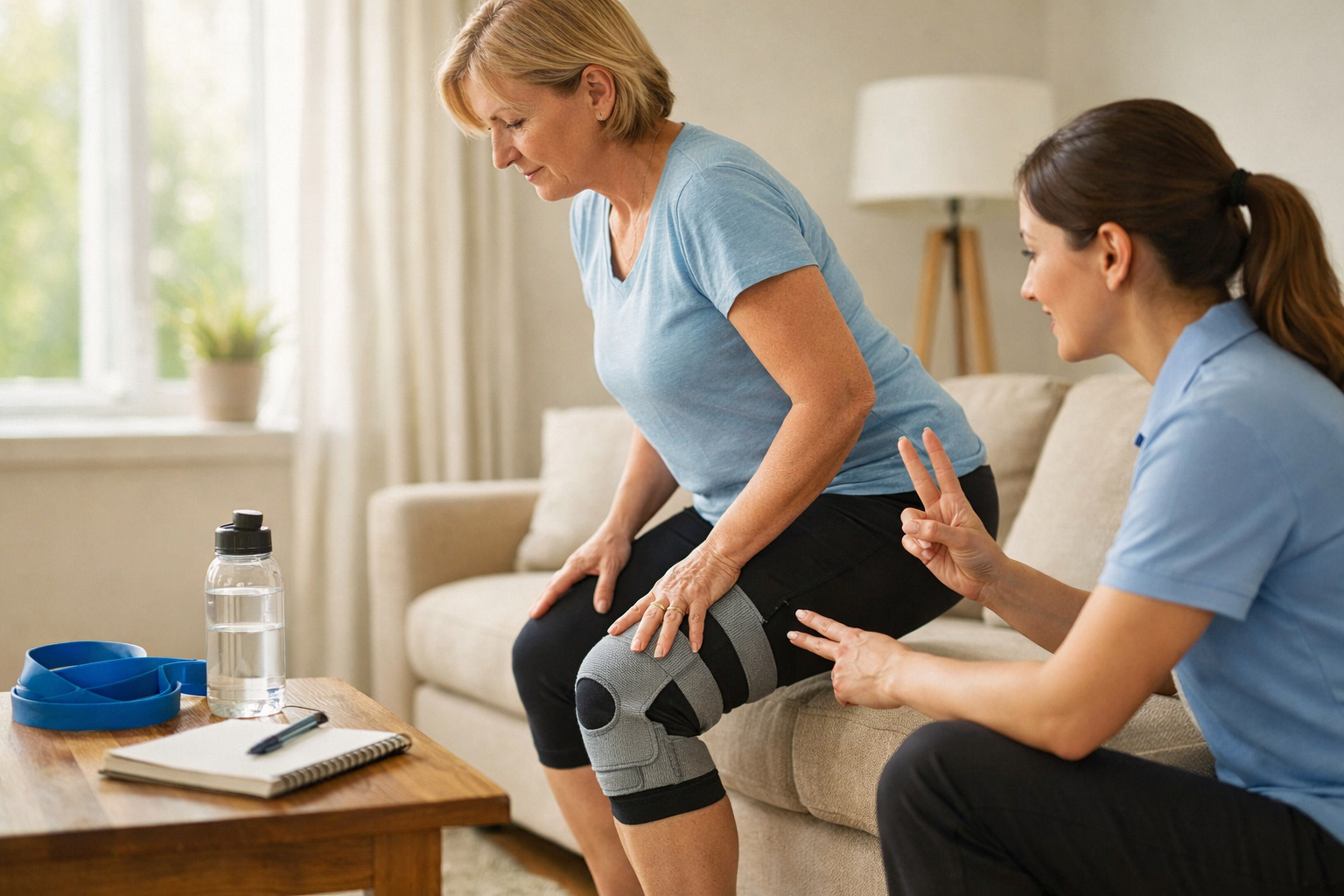
Focus on low-impact activities and functional movements that support daily living, such as sit-to-stand, gentle core activation, and controlled step-ups. Prioritize technique over intensity: correct form reduces strain on healing tissues and builds reliable movement patterns. Structure sessions with a warm-up, a main set of low-load exercises, and a cool-down that includes gentle stretching or breathing work. Aim for short sessions multiple times per day rather than a single long workout, especially in early recovery stages.
Progress slowly by increasing repetitions or duration first, then add resistance when tolerated. Consistent small gains are safer and more sustainable.
Pain Management and Red Flags
Distinguish between acceptable discomfort from muscle use and warning pain that signals harm; sharp, increasing, or radiating pain should prompt immediate reduction of activity and professional review. Monitor swelling, changes in skin color, new numbness, or sudden loss of function as these may indicate complications. Consider simple pain-relief strategies like pacing, ice or heat as advised by a provider, and relaxation techniques to reduce tension-related symptoms. Never push through pain that feels alarming or unusual for your condition.
- Sharp or worsening pain during movement
- New neurological symptoms like numbness or tingling
- Marked swelling, redness, or fever
When red flags appear, stop the activity and seek medical input. Early intervention can prevent setbacks and keep recovery on track.
Conclusion
Adapting exercise after medical treatment means balancing progress with caution.
Measure improvement with simple, objective markers and prioritize movement quality over intensity.
With gradual progression and attention to warning signs, you can rebuild fitness safely at home.