

Many people live with recurring muscle and joint discomfort that affects daily life and activity choices. Small, consistent changes at home can reduce strain and support gradual functional gains without requiring complex equipment. This article outlines practical approaches you can apply in common rooms, during chores, and around daily routines. The aim is to offer sensible strategies that prioritize pacing, alignment, and recovery.
Assessing Everyday Load
Start by observing which movements and positions repeat across your day and where discomfort tends to emerge. Note short patterns such as prolonged sitting, awkward reaches, heavy carries, or rapid position changes; these cumulative loads often drive flare-ups more than single incidents. Tracking activities for a few days builds a clear picture that helps you choose which tasks to modify first and which to maintain. This measured assessment reduces guesswork and identifies high-impact, low-effort adjustments. Include brief notes about pain intensity and associated activities to inform gradual adjustments.
Begin with one or two manageable targets rather than overhauling routines at once. Small wins encourage consistent change.
Designing Gentle Progressions
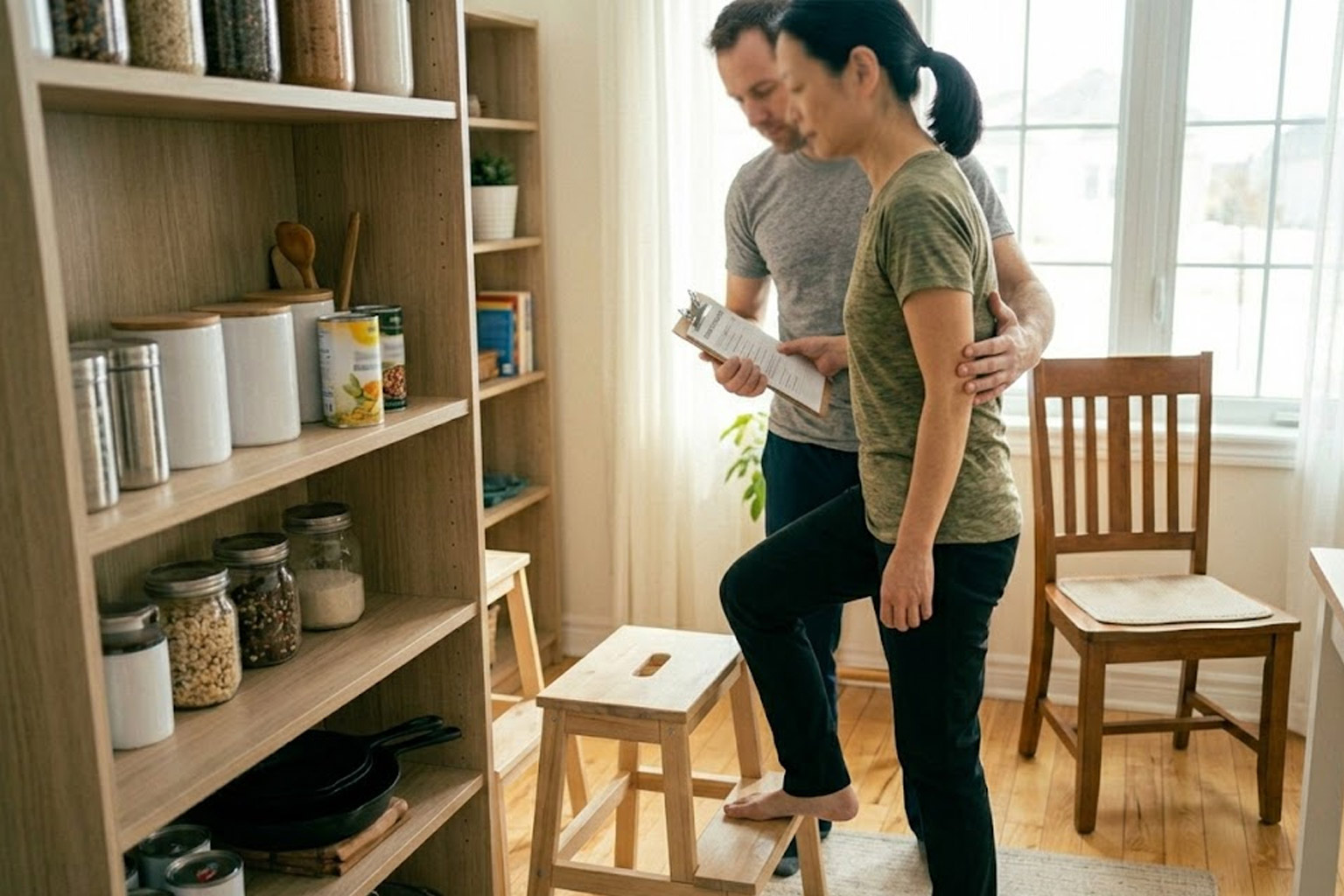
Once targets are identified, break desired movements into smaller steps and add them slowly to your routine. Use short sets of low-intensity exercises that mimic daily tasks — for example light step-ups for stair tolerance, or gentle shoulder lifts for overhead reach — and increase repetitions before intensity. Focus on quality of movement, breath control, and short recovery intervals to avoid provoking symptoms. Consistency matters more than intensity in early stages of recovery and conditioning. When comfortable, slightly vary load or range to promote resilience without sudden progression.
Track progress in simple ways such as noting repetitions or how hard an activity feels on a scale. Adjust pace based on trends rather than single-day fluctuations.
Optimizing Home Setup
Modify frequently used spaces to conserve energy and reduce unnecessary strain without eliminating activity. Small changes — repositioning heavier items at waist height, adding supportive chairs, using a long-handled tool — change mechanical loads and make tasks safer. Lighting, footwear, and clear walkways also influence posture and movement choices throughout the day. These adjustments often pay off with fewer symptom spikes and more predictable activity tolerance. Involving household members in simple changes reduces burden and supports consistency.
Prioritize inexpensive and reversible changes first to find what helps. Pair setup changes with movement practice for best results.
Conclusion
Practical home strategies combine careful observation, gradual movement progressions, and simple environmental adjustments to reduce cumulative strain. Start small, monitor response, and build routines that fit your life and goals. Over time these consistent approaches can improve confidence and make daily activities more comfortable.










