A quiet home change — a chair’s height, a nightlight, a clear path — can make recovery smoother and safer. After illness or a procedure, small adjustments reduce strain and help you use energy where it matters. This piece outlines practical tweaks and short movement habits that reduce fall risk, preserve strength, and support steady improvement. No fancy equipment is required; these are sensible steps that fit into ordinary days.
Small environmental fixes
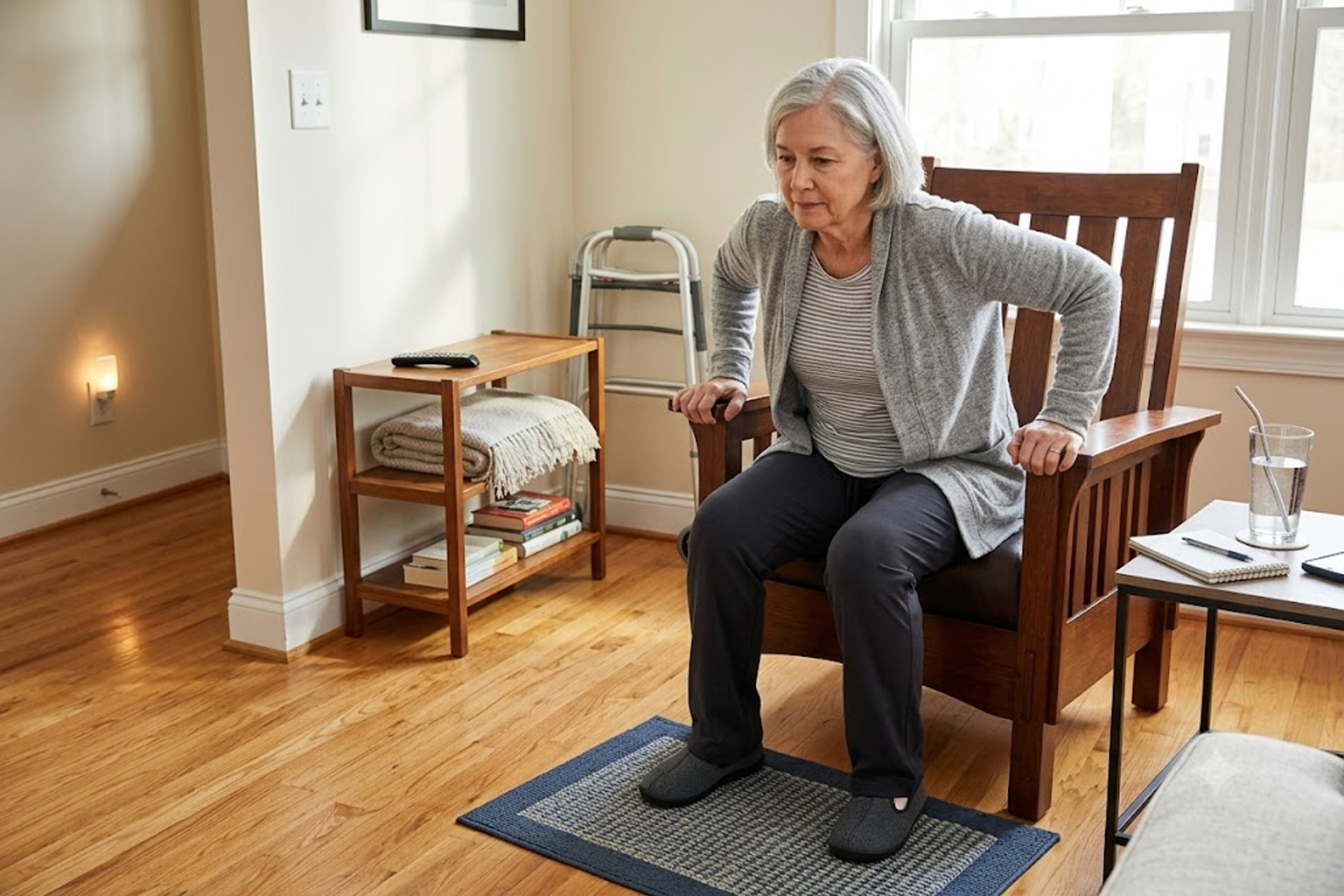
Walk through the rooms you use most and remove obvious tripping hazards such as loose rugs, stray cords, and clutter near walkways. Improve lighting along corridors, stairs, and in the bathroom so transitions require less visual effort. Store frequently used items at waist level to avoid repetitive bending or reaching that can trigger pain or dizziness. Add simple stability aids like a sturdy chair with arms and non-slip mats where standing occurs often.
These modest changes reduce the physical and mental load of moving around the house. They also make it easier to practice short exercise sessions without unnecessary risk.
Short movement sessions you can do
Break activity into brief, focused sessions of five to ten minutes several times a day rather than a single long effort. Begin with gentle, weight-bearing moves such as sit-to-stand repetitions, heel raises, and slow marches in place to rebuild leg strength and balance. Include controlled range-of-motion work for the shoulders, hips, and ankles to limit stiffness and keep joints moving. Keep intensity low and pause if you feel pain, dizziness, or unusual breathlessness.
- Sit-to-stand: 5–10 controlled repetitions from a stable chair.
- Heel raises: hold a chair for support and rise onto toes 8–12 times.
- Seated hip circles or ankle pumps for joint mobility.
Short sessions are easier to repeat and less likely to cause fatigue that derails progress. In the early stages, consistency matters far more than intensity.
Pacing, tracking and small progressions
Keep a simple log noting how long you moved, any pain, and how you felt afterward to spot trends and prevent setbacks. Increase repetitions, add a minute, or introduce a slightly harder variation only when current tasks feel manageable without extra soreness. Use pain and fatigue as feedback, watching for patterns rather than isolated spikes after a harder day. When trying new movements, use available supports like handrails or a walking aid to stay safe.
Frequent small gains build confidence and restore function over time. If uncertainty remains, ask a clinician for personalized advice about limits and progression.
Conclusion
Small, realistic home adjustments combined with brief movement sessions help recovery stay steady and safer. Reduce obstacles, choose gentle exercises, and track how your body responds after each session. Over weeks, those small choices restore function and cut the risk of setbacks.