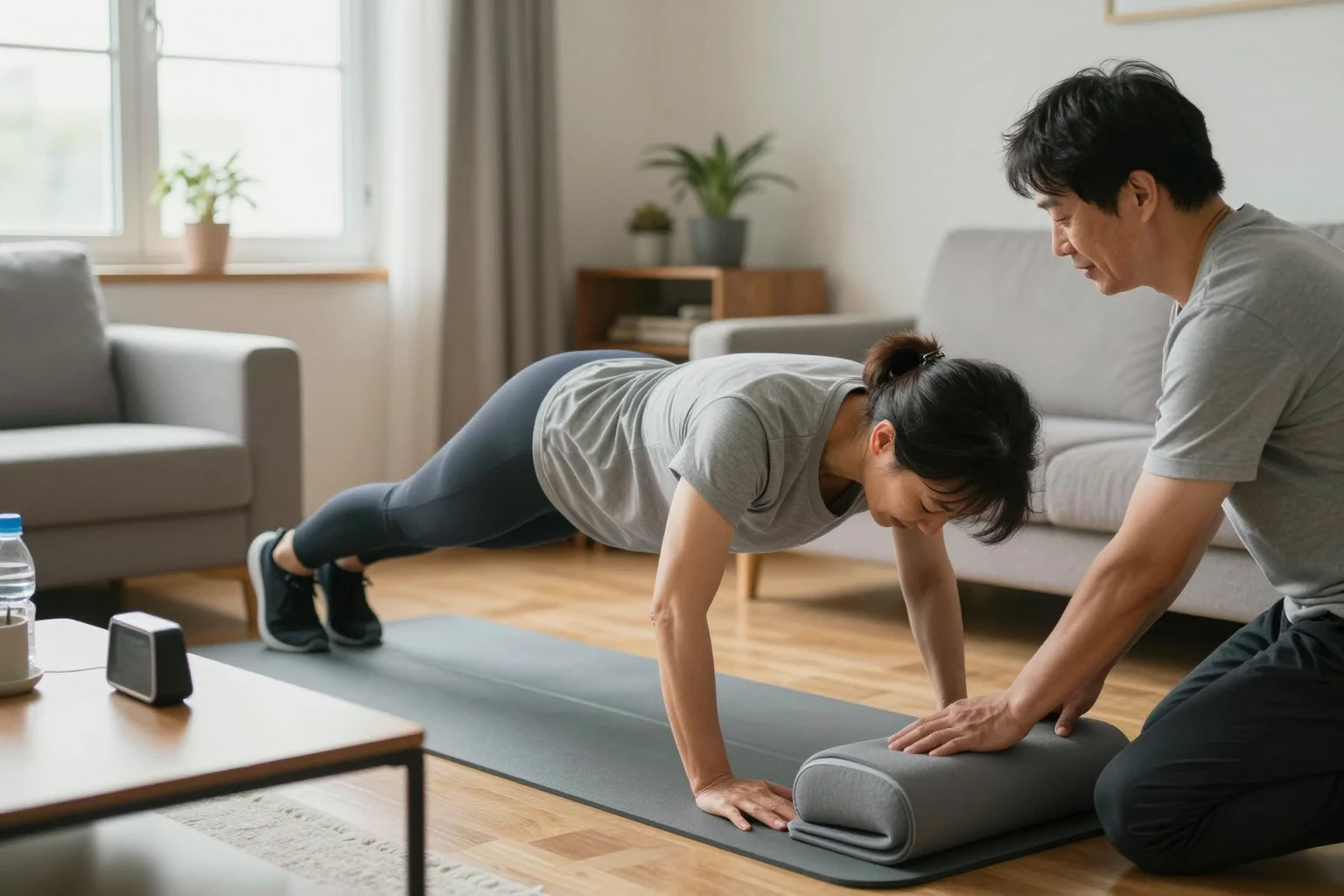
Small, consistent actions done at home can reduce daily musculoskeletal discomfort and improve function. Adopting brief movement habits, sensible pacing, and simple environment changes often yields steady gains. This article outlines practical routines you can fit into ordinary days without special equipment. Read on for sensible strategies to rebuild mobility and comfort over time.
Choose Gentle Movement That Matches Ability
Begin with short sessions of movement that focus on range of motion and control rather than intensity. Gentle walks, seated hip and shoulder lifts, or slow stretching maintain joint lubrication and help nervous system regulation. Aim for variety so different areas receive attention across the week, and avoid pushing into sharp pain. These practices support daily function and prepare the body for gradual progression.
Start with two to three brief bouts each day and increase slowly. Consistency matters more than duration when rebuilding comfort.
Build Strength with Small, Focused Progressions
Strength helps protect joints and supports posture, so include short resistance exercises that feel manageable. Use bodyweight or household items for simple moves like partial squats, wall push-ups, or supported hip bridges. Perform controlled repetitions and prioritize quality of movement over quantity to reduce strain. Over weeks, add a repetition or a small load while monitoring symptoms.
Track progress in modest steps: more stable repetitions or slightly longer holds. Gradual overload is the safest way to gain function without provoking setbacks.
Use Pacing and Pain-Smart Strategies
Pacing avoids boom-and-bust cycles that worsen symptoms; alternate activity and rest and break tasks into smaller pieces. Notice early warning signs of fatigue or flare and adjust intensity accordingly. Employ breathing, brief relaxation, and micro-breaks to modulate discomfort during daily tasks. These techniques help extend tolerance and prevent unnecessary flares.
Plan higher-effort tasks on better days and simplify tasks when needed. Small scheduling adjustments preserve capacity across the week.
Optimize Your Home Environment
Adjusting your environment reduces repetitive strain and supports safer movement patterns. Modify seat heights, arrange frequently used items within easy reach, and use supportive cushions or mats where helpful. Clear walking paths and set up a comfortable spot for short exercise sessions to reduce barriers. Good ergonomics means less unnecessary load on muscles and joints throughout the day.
Small, inexpensive changes often yield meaningful comfort improvements. Consistency in setup encourages regular beneficial habits.
Conclusion
Micro-routines combine gentle movement, measured strengthening, pacing, and smart environment tweaks to improve comfort. Start small, stay consistent, and adjust based on how you feel. Over time these steady practices can restore function and reduce daily pain.