Recovering mobility at home calls for a careful balance of patience, structure, and practical adjustments. Small, consistent actions often lead to better outcomes than sporadic intense effort. This article outlines sensible strategies that help restore everyday movement while minimizing setbacks. The emphasis is on safe progression, measurable gains, and preserving confidence through the process.
Start with a Clear, Manageable Plan
Begin by identifying one or two realistic goals that reflect daily function, such as standing from a chair or walking to the mailbox. Break those goals into short, specific exercises and schedule them at consistent times during the day to form routine. Prioritize pain-free range of motion and low-impact activities before increasing intensity, and allow rest periods to avoid overuse. Keeping a brief log of activity and symptoms helps track what works and what needs adjustment.
Work with a healthcare professional when possible to tailor progression and ensure safety. Regular reassessment of goals prevents pushing too hard or losing momentum, and builds steady improvements over time.
Focus on Functional Movement and Strength
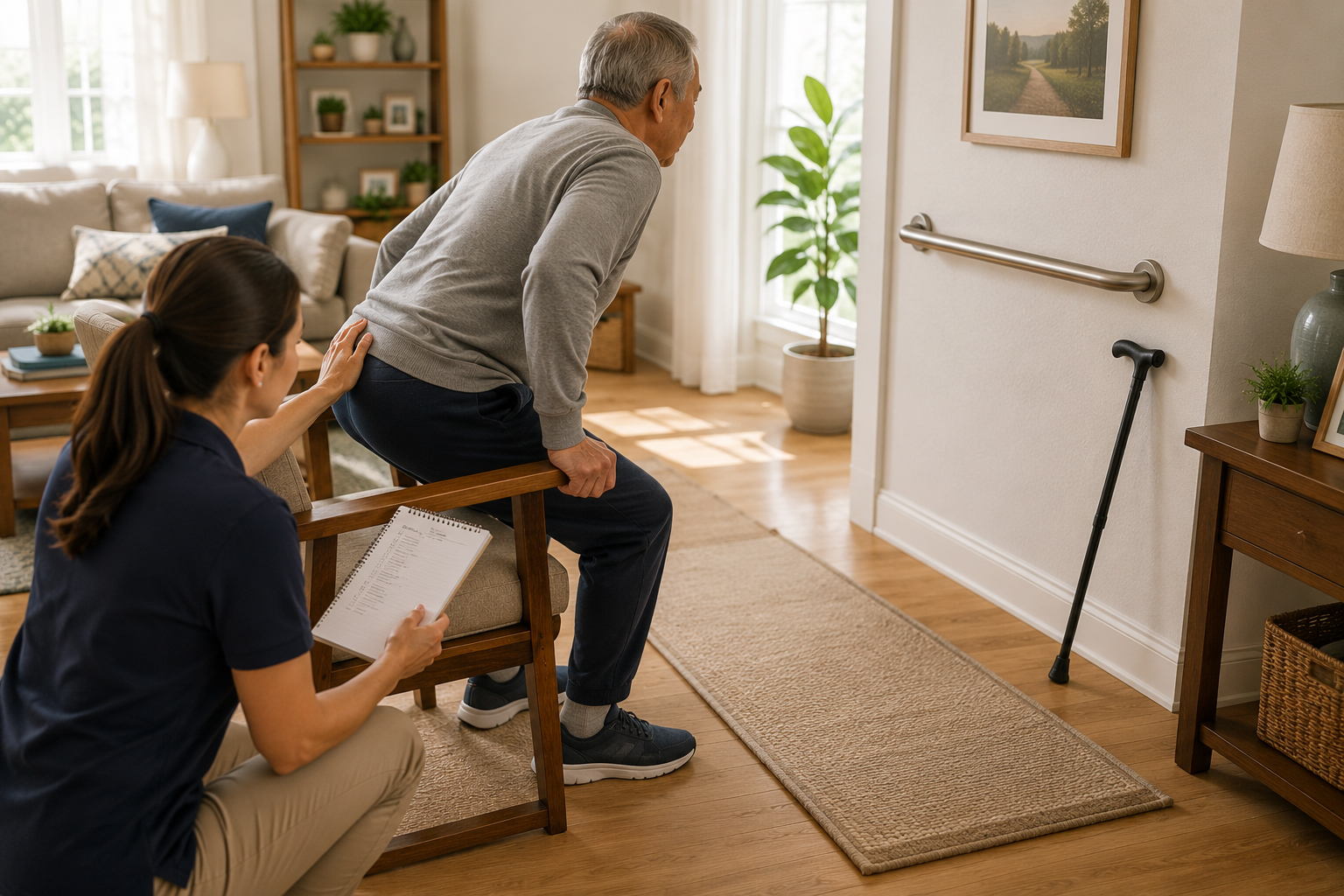
Foundation movements that support daily tasks are the most valuable: sit-to-stand, controlled steps, gentle lunges, and reaching motions. Incorporate simple strength work with bodyweight or light resistance to reinforce those patterns, aiming for controlled form rather than speed. Balance and coordination exercises should accompany strength training to reduce fall risk and increase confidence with common activities. Consistency of movement carries more benefit than duration, so short multiple sessions can be more effective than one long session.
- Practice sit-to-stand from different chair heights.
- Use a stable surface for supported single-leg balance drills.
- Walk progressively farther while monitoring effort and symptoms.
Use the bullet items as practical checkpoints that can be repeated and adjusted based on daily tolerance. Small, repeatable tasks translate directly into safer, more independent living.
Modify the Home Environment for Safer Practice
Simple adjustments reduce barriers and make practice safer: clear trip hazards, add stable handholds in key areas, and ensure adequate lighting in routes used for exercise. Arrange a dedicated practice space with a sturdy chair and non-slip surface so exercises are accessible and consistent. Adaptive aids such as a cane or reacher can be useful temporarily to maintain independence while building strength. Environmental changes minimize the risk of setbacks and support a sense of control during recovery.
Revisiting the environment periodically ensures it stays aligned with evolving abilities and goals. Small, inexpensive changes often yield significant safety gains.
Monitor Progress and Adapt Gradually
Track improvements in function, endurance, and comfort rather than only focusing on numeric metrics. When progress plateaus or symptoms increase, reduce intensity, reassess technique, or consult a clinician for guidance. Celebrate incremental wins to maintain motivation, and set new reachable targets as capacity improves. Staying flexible with the plan allows recovery to follow a sustainable, individualized path.
Regularly reviewing progress promotes smart adjustments and long-term adherence, which are essential for lasting mobility gains. Patience and informed adaptation make recovery both safer and more effective.
Conclusion
Safe home mobility recovery relies on realistic goals, consistent practice, and a supportive environment. Monitor response to activity and adapt the plan incrementally to maintain steady progress. Small daily steps build functional ability and confidence over time.