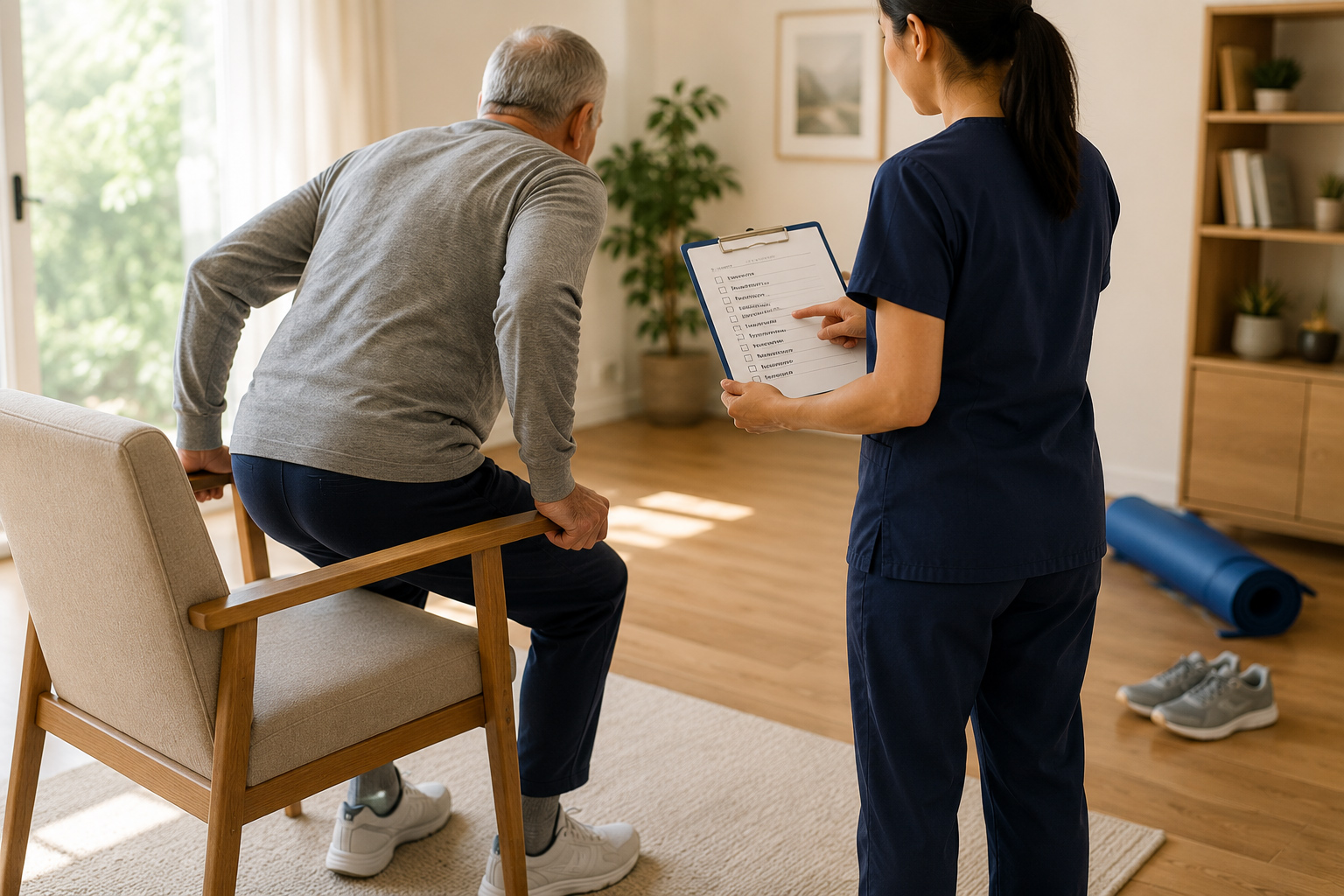
Regaining movement after a medical setback requires patience, consistency, and realistic expectations. A daily movement plan helps rebuild strength, balance, and confidence through short, focused practice. This article outlines how to assess readiness, structure routines, and make safe, gradual progress within the home environment. Small wins each day create steady improvements without overwhelming the recovery process.
Assess your starting point and set realistic goals
Begin by taking stock of your current abilities: how far you can walk, which movements cause discomfort, and which tasks feel most challenging. Note patterns such as fatigue at certain times of day and any positions that improve or worsen symptoms. Setting specific, measurable goals — for example, standing unassisted for a target number of minutes — helps you track progress. Keep goals flexible so you can adjust as strength and tolerance change.
Record short daily observations to guide progression and communicate with any care team. Small, consistent improvements are safer and more sustainable than attempting rapid increases in activity.
Designing simple daily movement routines
Create a short sequence you can do twice daily that targets mobility, strength, and balance. Include gentle joint mobility at the start, a few strengthening moves such as sit-to-stands or heel raises, and balance tasks like weight shifts or supported single-leg stands. Aim for 10 to 20 minutes total, and prioritize correct form and control over speed or repetitions. Consistency matters more than intensity in early recovery phases.
- Mobility: ankle circles, knee bends, shoulder rolls.
- Strength: sit-to-stand, wall push-offs, calf raises.
- Balance: tandem stand, side steps, supported single-leg holds.
Modify exercises with support or fewer repetitions when needed and increase challenge gradually as comfort and control improve. Regularly revisiting and varying the routine helps prevent plateaus and maintains engagement.
Monitor safety, pain, and progression
Track how your body responds during and after sessions, noting pain levels, dizziness, swelling, or unusual fatigue. Use objective markers such as distance walked, stair steps climbed, or number of repetitions to measure progress over weeks. If a particular activity consistently causes sharp or worsening pain, reduce intensity and consult a healthcare professional before pushing forward. Safety strategies like clearing walking paths, using stable chairs for support, and wearing appropriate footwear reduce risk of falls.
Celebrate incremental gains to strengthen motivation, and plan rest or light days to support recovery. Adjustments based on day-to-day responses create a sustainable pathway back to stronger, more confident movement.
Conclusion
Start small, stay consistent, and focus on safe, measurable progress. Track responses and adapt exercises to match daily capacity. Over time, steady practice rebuilds strength and balance for improved independence.