Medication adherence has long been one of the biggest challenges in healthcare. Even the most effective treatments fail when doses are missed, taken incorrectly, or stopped too early. Smart pills are emerging as a powerful solution to this problem, combining medicine with digital technology to help patients, caregivers, and clinicians ensure treatments are taken as prescribed. This innovation is reshaping how adherence is monitored and supported across healthcare systems.
Understanding What Smart Pills Are
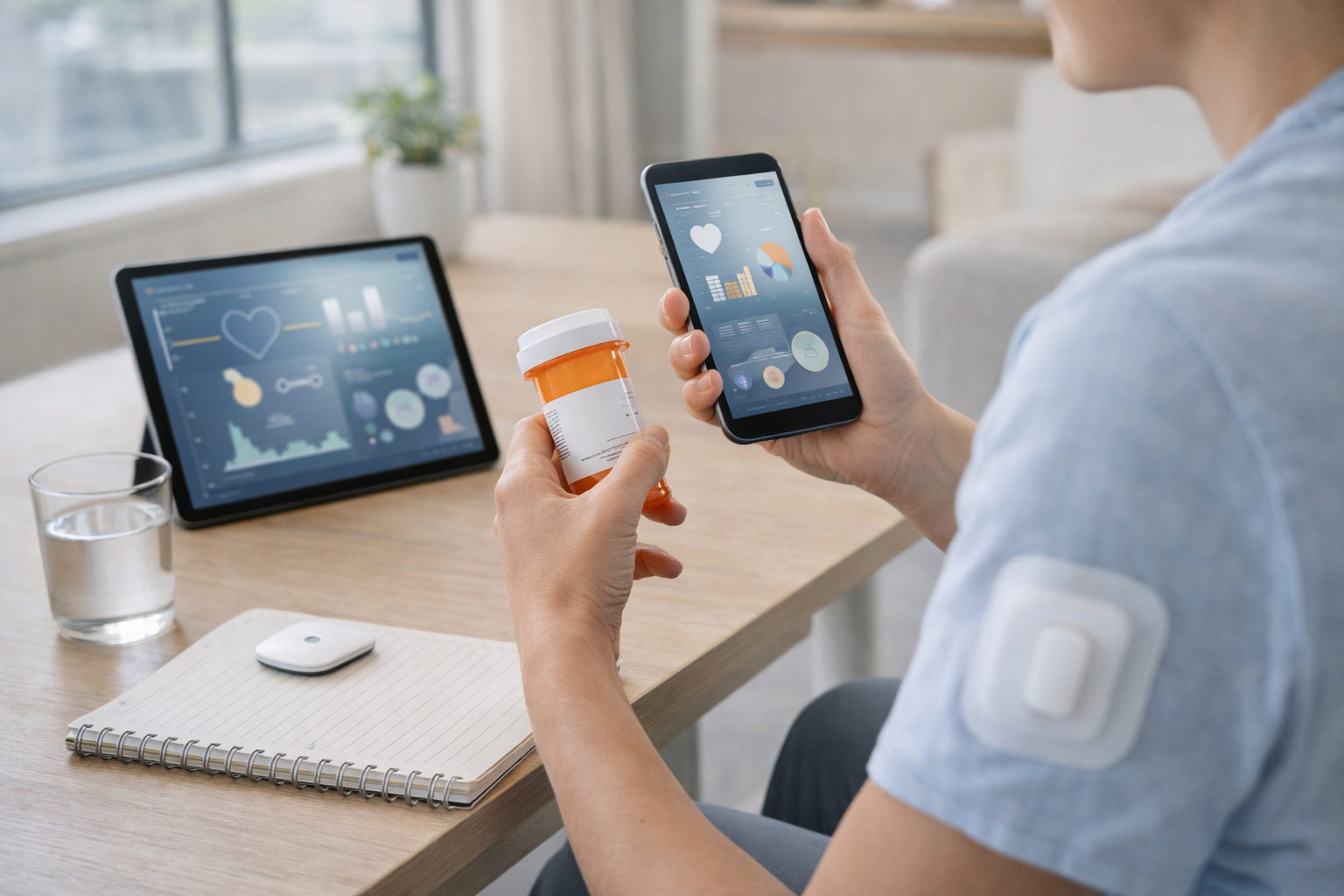
Smart pills are medications embedded with ingestible sensors or paired with digital tracking systems. Once taken, these sensors communicate with external devices such as wearable patches or mobile apps. The technology confirms when medication is ingested and can transmit data securely to patients or healthcare providers. This transforms adherence from self-reported behavior into verifiable insight.
Addressing the Root Causes of Non-Adherence
Many patients struggle with adherence due to forgetfulness, complex dosing schedules, or lack of understanding about treatment importance. Smart pills directly address these challenges by providing reminders, confirmations, and feedback. When patients receive real-time prompts or visual confirmation that a dose was taken, consistency improves. This support is especially valuable for chronic conditions requiring long-term medication routines.
Improving Clinical Decision-Making
Reliable adherence data allows clinicians to make better treatment decisions. When symptoms persist, doctors can determine whether a medication is ineffective or simply not being taken correctly. Smart pill data reduces guesswork and prevents unnecessary dosage changes or additional prescriptions. This clarity improves outcomes while reducing trial-and-error approaches in treatment plans.
Supporting High-Risk and Vulnerable Populations
Smart pills are particularly impactful for populations where adherence is critical, such as patients managing mental health conditions, cardiovascular disease, or post-transplant care. Caregivers and providers gain visibility without intrusive monitoring. Early alerts help identify missed doses before they lead to serious complications. This proactive support reduces hospitalizations and emergency interventions.
Enhancing Patient Engagement and Accountability
Smart pills empower patients by making adherence visible and measurable. Seeing progress reinforces positive behavior and builds accountability. Many systems also provide educational insights, helping patients understand how consistency affects outcomes. This engagement turns adherence into an active partnership rather than a passive obligation.
Balancing Innovation With Privacy and Trust
As with any health technology, responsible implementation is essential. Smart pill systems must prioritize data privacy, informed consent, and transparency. When patients understand how data is used and protected, trust increases. Ethical deployment ensures technology supports care without compromising autonomy.
Conclusion
Smart pills are revolutionizing medication adherence by combining treatment with real-time insight and support. By improving consistency, informing clinical decisions, and engaging patients, they address one of healthcare’s most persistent challenges. As adoption grows, smart pills will play a key role in delivering safer, more effective care.