Small, repeatable habits at home can influence joint health and everyday comfort more than occasional intense efforts. By focusing on movement quality, posture, and gradual load, you create a steady foundation for resilience. These routines do not require special equipment and can fit into existing daily rhythms. The goal is consistent, safe practice rather than dramatic short-term change.
Core Principles
Begin with neutral posture and regular micro-movements to prevent stiffness and distribute loads evenly across joints. Prioritize gentle strength-focused activities that respect pain signals while encouraging gradual adaptation. Include short mobility sequences to maintain range and reduce tension around problematic areas.
Consistency matters more than intensity; small, frequent practices build tolerance and confidence. Emphasize simple progressions and avoid abrupt increases in duration or resistance to limit flare-ups.
Daily Rituals to Try
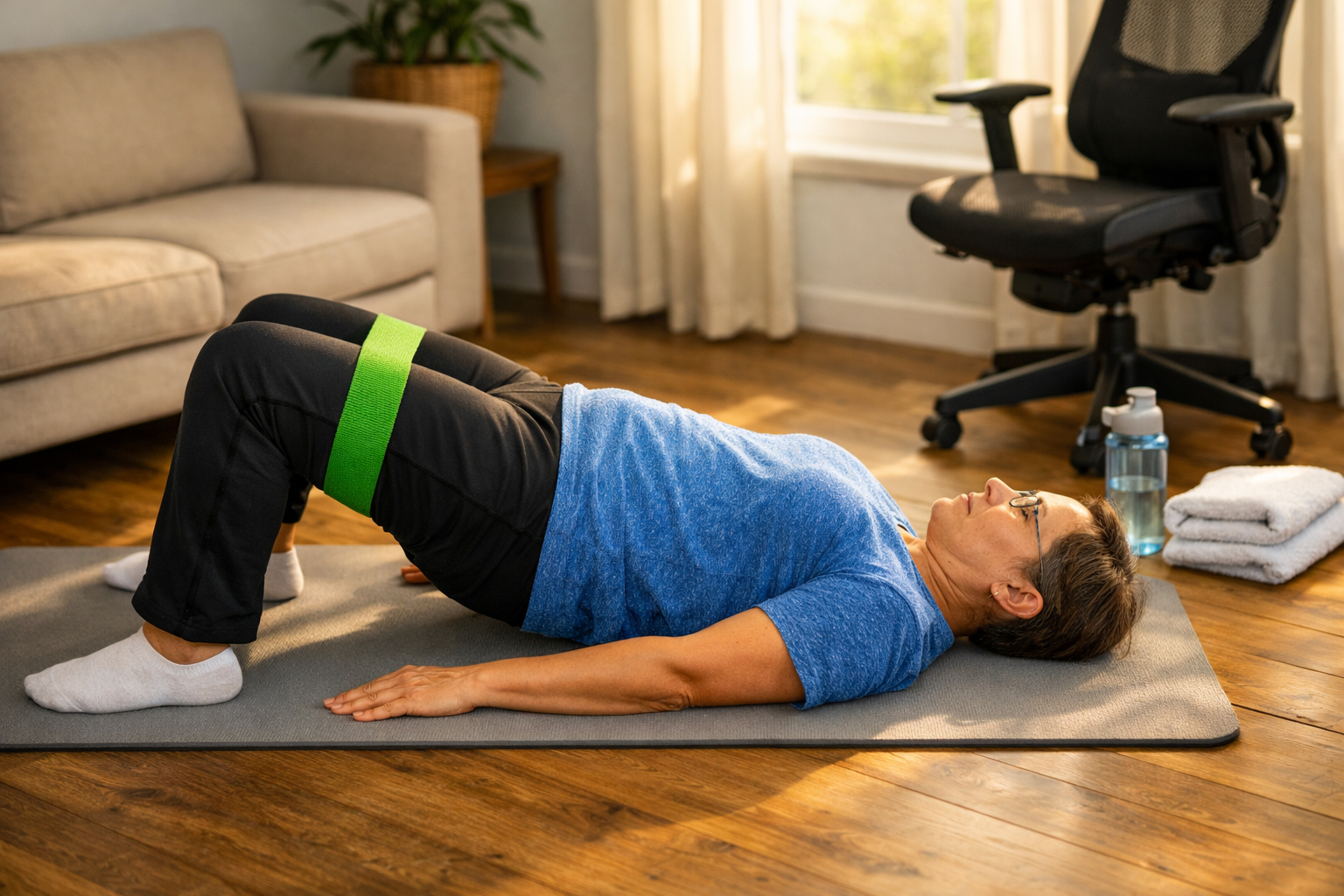
Integrate brief movement breaks: sit-to-stand transitions, ankle and wrist circles, and seated spinal rotations spread through the day. Add two or three low-impact strength actions, such as wall presses, glute bridges, or light resistance band rows performed with controlled tempo. Finish sessions with basic stretching or breath-focused relaxation to ease muscular tension.
- Morning: gentle mobility and breathing for 5–10 minutes.
- Midday: two strength or balance exercises for 5 minutes.
- Evening: light stretching and posture check for 5 minutes.
Short rituals like these are easy to maintain and provide cumulative benefits over weeks. Tailor intensity to how your body responds and build up very gradually.
Adapting Your Home Space
Modify frequently used areas to encourage neutral alignment and reduce repetitive strain, such as adjusting chair height or positioning commonly used items within reach. Create small movement cues in the environment, like placing a yoga mat near a sofa or setting reminders for breaks. Clear, ergonomic setups remove friction and increase the likelihood of sustaining helpful routines.
These adjustments are low cost and often reversible, making them practical first steps. Over time, environment changes reduce daily stress on joints and support healthier movement patterns.
Tracking Progress and Adjustments
Keep a simple log of what you do and how your body responds to spot trends and make informed tweaks. Note pain patterns, activity tolerance, and functional gains such as easier stair climbing or dressing. Use that information to modestly progress exercises or to reduce load when needed.
Small, measurable wins sustain motivation and clarify which rituals are most effective. Regular reviews every one to two weeks help you refine a balanced, personalized routine.
Conclusion
Adopting brief, intentional home rituals can steadily improve joint comfort and function with minimal disruption. Focus on consistency, safe progression, and small environmental tweaks to support movement. Over weeks, these habits add up into meaningful improvements in daily life.