Recovering mobility at home requires a thoughtful, gradual approach.
Small, consistent actions build strength and confidence without overwhelming the body.
This article outlines practical steps that focus on safety, progression, and routine.
These strategies help people resume daily activities while minimizing setbacks.
Assessing Your Home Environment
Begin by surveying the spaces where most activity takes place and identify potential hazards. Remove loose rugs, secure cords, and create clear pathways to reduce trip risks. Consider seating heights, lighting levels, and surfaces that may affect balance or transfers. Minor modifications can make daily tasks safer and more accessible.
Engaging a family member or caregiver in the assessment helps uncover overlooked issues and supports simple adaptations. Clear communication about limitations and goals makes the environment more supportive. These small changes reduce anxiety and encourage independence during recovery.
Progressive Movement and Exercise
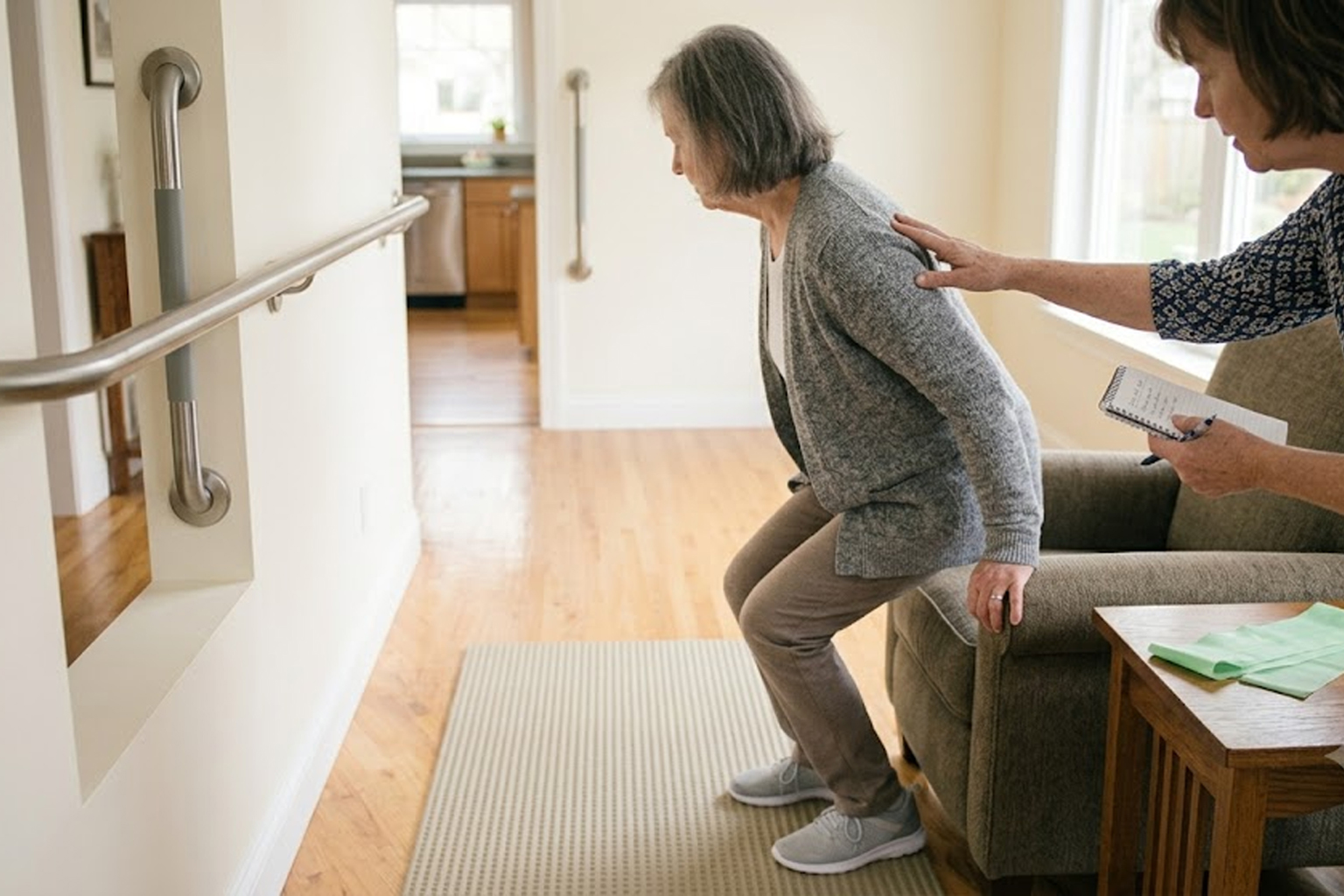
A progressive plan focuses on gentle strengthening, range-of-motion work, and balance challenges that increase gradually. Begin with short, supervised sessions and prioritize quality of movement over quantity. Incorporate mobility exercises into daily routines, such as sit-to-stand repetitions and supported marching in place. Consistency is more valuable than intensity during early recovery.
- Seated leg lifts and heel slides to rebuild hip and knee control.
- Wall push-ups and shoulder rolls to maintain upper body strength.
- Single-leg stands near a support to challenge balance safely.
Record progress and adjust exercises as comfort improves. Incremental increases in duration or resistance help avoid plateaus and keep motivation high.
Monitoring Progress and Safety
Track pain, fatigue, and function to guide how you advance activity. Use simple measures like walk distance, stairs managed, or ability to perform personal care tasks as indicators of improvement. Be attentive to warning signs such as sharp pain, sudden swelling, or dizziness that suggest slowing down and seeking professional advice. Regular check-ins with a clinician or therapist are useful when available.
- Note stable improvements over days and weeks rather than momentary fluctuations.
- Stop and rest when symptoms increase substantially or new symptoms appear.
Safety monitoring protects progress and reduces the chance of setbacks. Staying observant enables timely adjustments to the recovery plan and fosters steady gains.
Conclusion
Restoring mobility at home combines environmental adjustments, consistent movement, and careful monitoring.
A gradual, measurable approach supports safe progress and long-term function.
Small daily steps build confidence and help people return to meaningful activities.