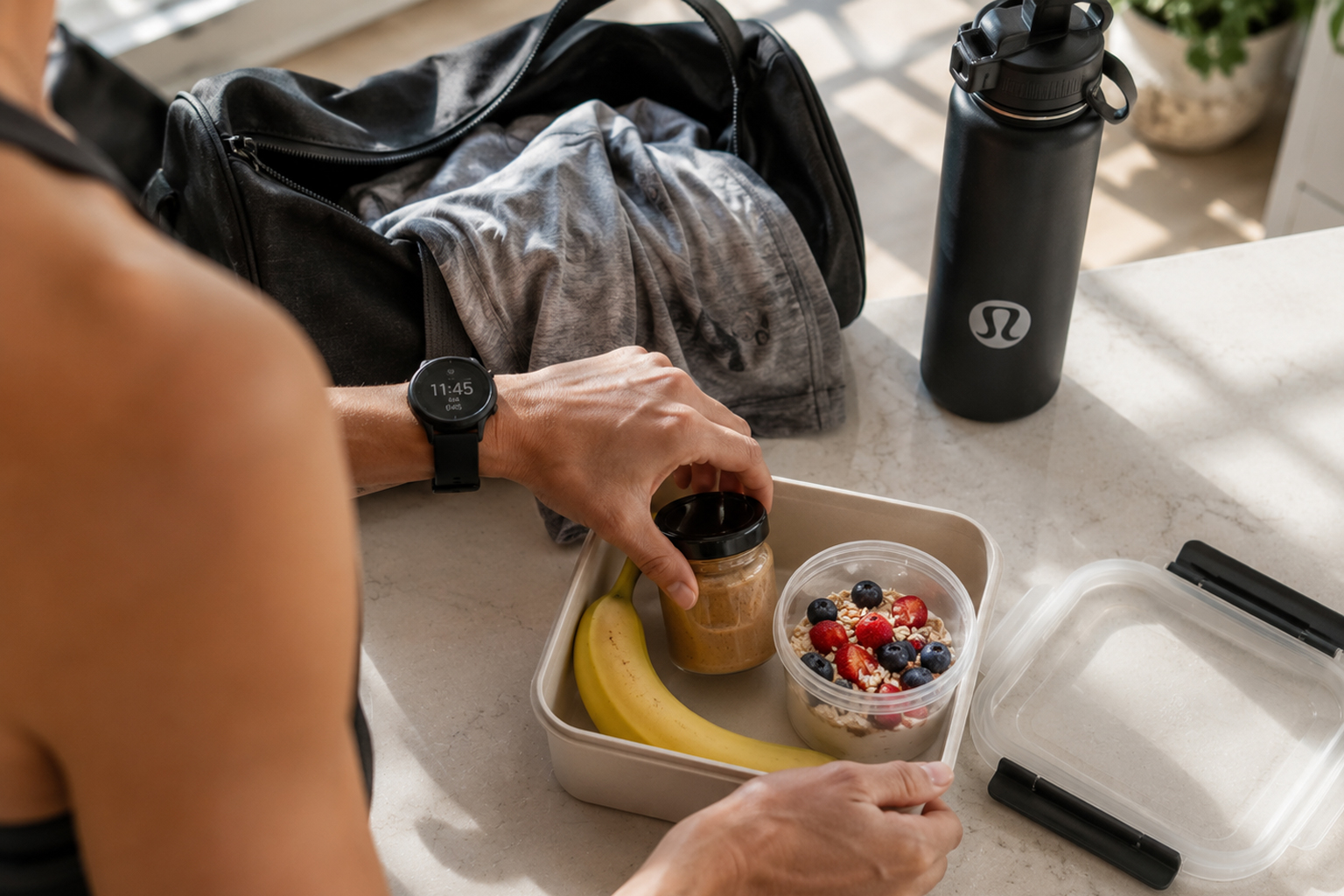
Consistent energy across training days starts with simple timing strategies you can rely on.
Small shifts in when you eat and snack can prevent mid-session fatigue without complex diets.
This guide focuses on practical rhythms that fit busy routines and various training goals.
Use flexible templates rather than strict rules to make fueling sustainable over time.
Why timing shapes daily energy
When you align carbohydrate and protein intake with activity, blood sugar and muscle recovery stay more stable.
Eating too close to a session can cause discomfort, while waiting too long may reduce available energy.
Aim for a small balanced meal 2–3 hours before longer sessions or a compact snack 30–60 minutes before shorter, intense efforts.
Hydration and sodium also play a role for sweat-heavy workouts and should be considered alongside timing.
Small pre-session carbohydrate choices vary by tolerance and workout type.
Start by tracking how different windows influence your focus and power.
Modify timing gradually until you find what fits your body and schedule.
Keep notes for two weeks to see patterns.
Practical snack and meal patterns
Practical patterns include pairing protein with a moderate carbohydrate at main meals and choosing lighter protein-carbohydrate snacks around sessions.
For example, a midday training day could use a full meal in the morning, a smaller pre-session snack, and a recovery-focused meal afterward.
Snacks that combine quick carbs with some protein steady energy without heaviness.
Keep portions and choices consistent to learn what supports your performance.
Timing also helps with appetite control across the day.
- 30–60 minutes before: banana with nut butter or yogurt and berries.
- 2–3 hours before: whole-grain sandwich with lean protein and salad.
- Recovery within 60 minutes: Greek yogurt with fruit and a handful of oats.
Choose options you enjoy and can prepare regularly.
Building a small set of go-to snacks reduces decision fatigue on training days.
Rotate options to keep eating interesting and nutrient-rich.
Sample timing templates for common schedules
Templates help when schedules vary: morning, midday, and evening training require different emphasis on meal timing and size.
Morning sessions often benefit from a light, carbohydrate-focused snack if a full breakfast feels heavy, while evening workouts may need a lighter dinner earlier and a post-session protein-rich snack.
Adjust portions based on duration and intensity, increasing carbs for longer or more intense sessions.
Tracking perceived exertion and recovery will guide refinements.
Prioritize consistency over perfection so the habit sticks.
- Morning: small carb snack 30 minutes prior; protein-focused meal after training.
- Evening: earlier light dinner 2–3 hours before; protein-rich recovery snack after workout.
Over time, templates become habits that free mental energy for training itself.
Keep adjustments simple so fueling stays practical and consistent.
Gradual changes reduce gastrointestinal issues and support long-term habits.
Conclusion
Simple timing strategies create a dependable energy framework that supports training consistency.
Small, repeatable patterns for meals and snacks reduce fatigue and improve recovery.
Test templates, track how you feel, and adapt them to match your routine and goals.