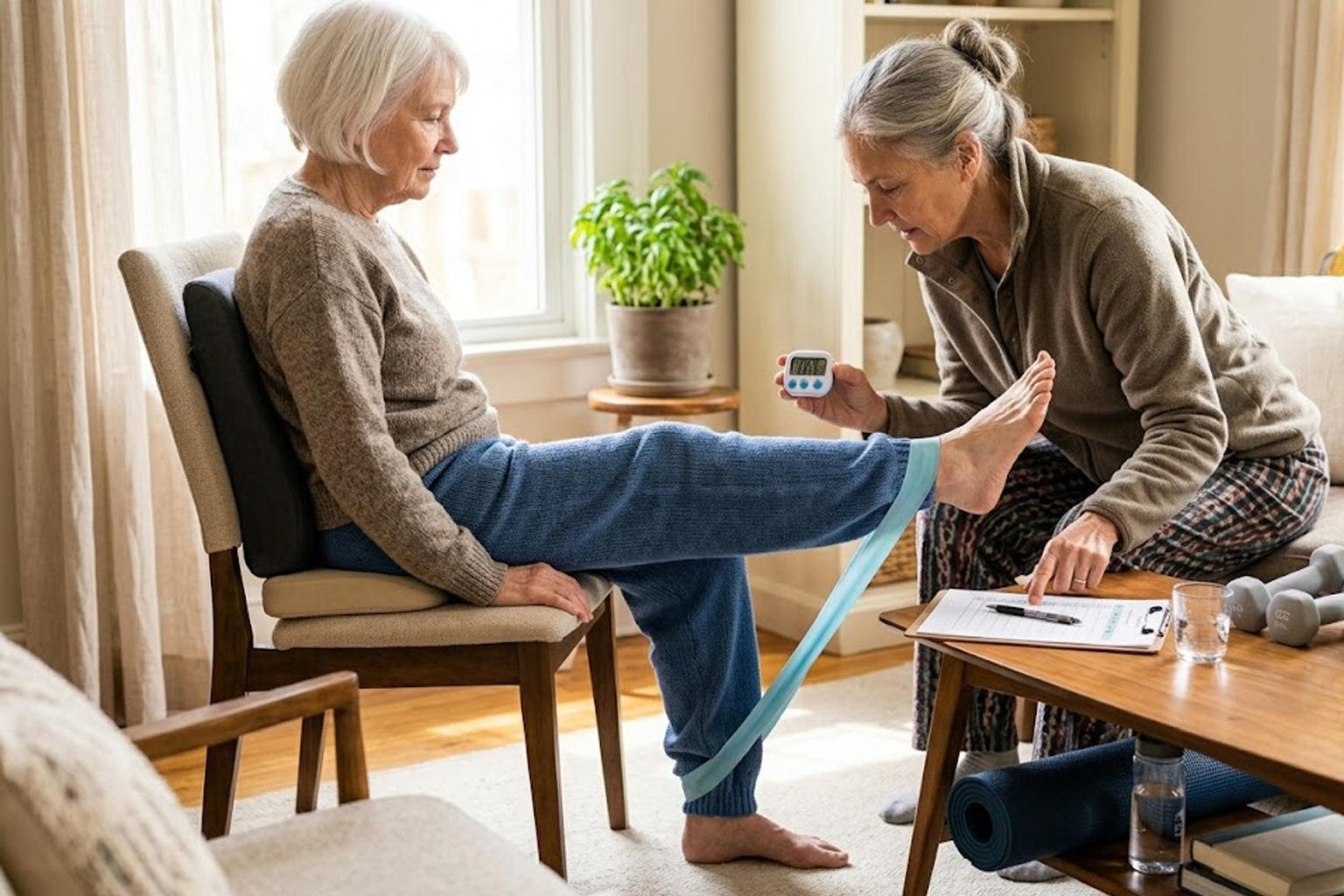
Living with ongoing joint discomfort often means rethinking daily habits instead of relying only on treatments. Small, consistent shifts in movement, rest, and home setup can reduce cumulative strain and support improved function over time. This article outlines practical, low-risk strategies you can use at home to build gentle routines and safer spaces for steady progress. The focus is on pacing, gradual progressions, and sustainable adjustments you can maintain in everyday life.
Assess and Pace Activity
Begin by tracking which activities tend to increase pain and which bring relief; simple notes over a week can reveal patterns you might not notice. Break tasks into shorter segments, set timers for movement and rest, and alternate demanding tasks with easier ones to avoid overload. Pacing helps rebuild confidence in movement by preventing flares while still promoting gradual adaptation. These steps are about steady consistency rather than pushing through pain.
Start with achievable goals and increase activity slowly when symptoms permit. Keeping expectations realistic reduces frustration and supports long-term adherence.
Design Gentle Home Routines
Create short, repeatable movement sessions focused on mobility, control, and light strengthening that fit your daily schedule. Include exercises that target the muscles around affected joints, emphasizing range of motion first and added resistance later as tolerance improves. Keep sessions brief but frequent so they become habits rather than chores, and vary tasks to maintain engagement. Consistency with low-intensity work often yields better results than sporadic high-intensity efforts.
Use cues such as placing exercise items in visible spots or linking movements to regular activities. Small reminders help integrate routines into busy days.
Optimize Daily Spaces
Adjust furniture and tools to reduce unnecessary reaching, bending, or twisting that increases joint load. Simple changes like adjusting seat height, rearranging frequently used items, or using supportive cushions can decrease strain during routine activities. Consider creating defined zones for sitting, standing, and movement to encourage better posture and smoother transitions. Thoughtful setup helps conserve energy and reduces cumulative stress on joints.
Test small environmental tweaks and keep what works; incremental improvements add up over time. Prioritize changes that are easy to maintain.
Monitor Progress and Adjust
Regularly review your notes and how your body responds to routine changes, and be willing to fine-tune intensity, frequency, or setup. Celebrate small gains such as improved range, reduced stiffness, or more confidence in daily tasks, and use setbacks as information to guide pacing rather than reasons to stop. Seek professional input if progress stalls or symptoms change significantly to ensure your plan remains appropriate. Monitoring supports smarter decisions and sustained improvements.
Adjustments should be gradual and guided by how activities feel over days and weeks. Patience and consistency are key to meaningful gains.
Conclusion
Modest habit and environment changes at home can meaningfully ease persistent joint discomfort when applied consistently. Focus on pacing, simple routines, and small ergonomic tweaks to protect joints and build capacity. Over time these sustainable habits support steadier function and improved day-to-day comfort.