

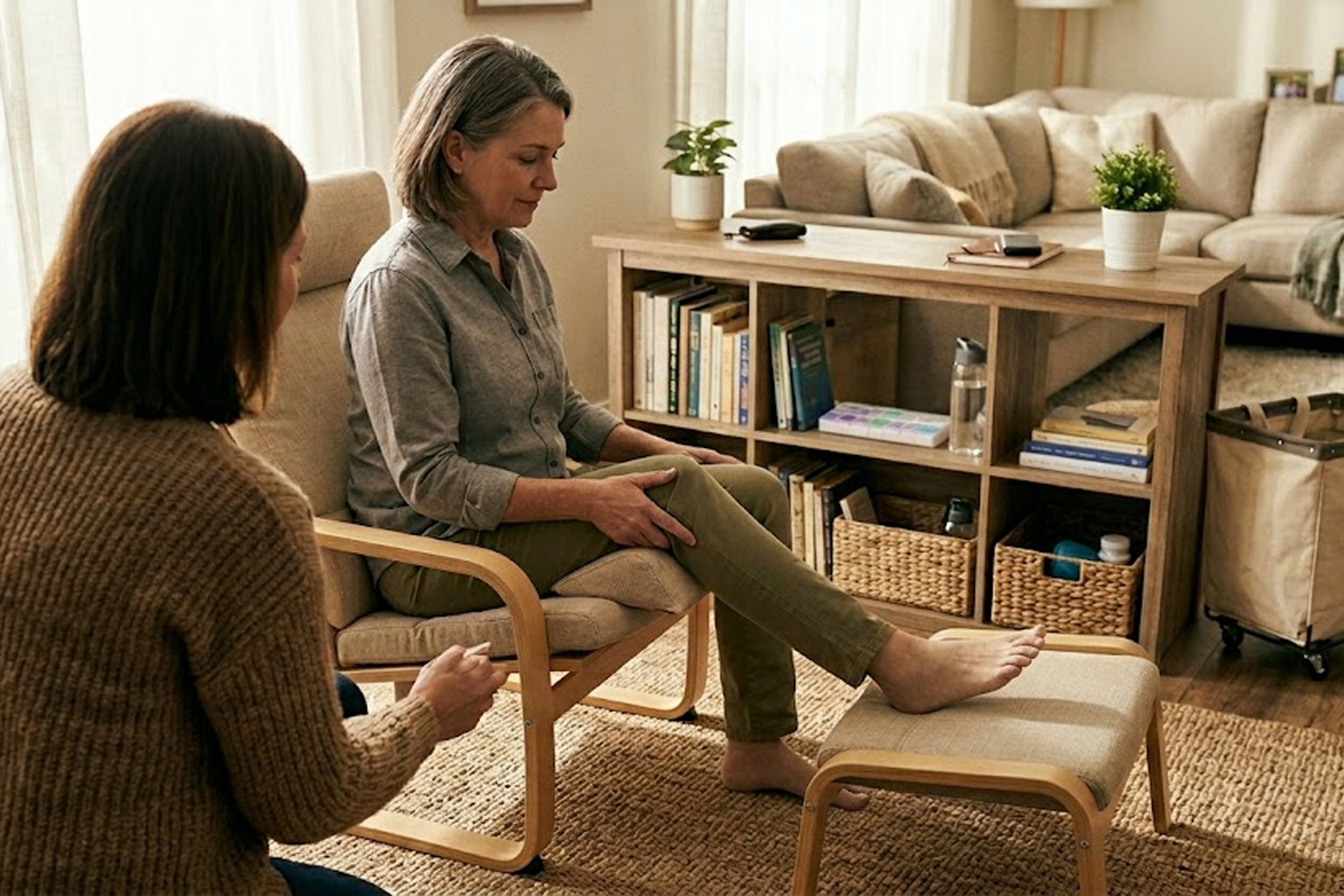
Small adjustments in how you use space at home can significantly reduce joint strain and support daily comfort. Focusing on posture, movement variety, and simple supportive setups helps prevent overload without dramatic lifestyle changes. This article outlines practical, low-effort strategies you can implement gradually and safely. Use these ideas as a framework to adapt your living space to your body’s needs.
Assess your daily load and movement patterns
Begin by observing which tasks require repetitive or sustained positions, and note moments when pain or stiffness tends to appear. Common culprits include prolonged sitting, frequent bending from the waist, and carrying uneven loads. Mapping patterns helps prioritize changes that will have the greatest impact on daily comfort. Aim to identify two or three high-frequency activities to adjust first.
Once identified, small experiments such as alternating tasks or shortening sessions can reveal what eases symptoms most. Tracking these changes for a week will show whether an adjustment is effective before committing to a permanent setup change.
Ergonomic tweaks that fit into any room
Simple shifts often work better than expensive equipment. Raise seating so knees and hips sit at roughly right angles, keep frequently used items within easy reach, and swap heavy bags for wheeled alternatives or balanced carriers. Even the angle of a pillow or the height of a bedside table can change how joints are loaded during daily routines.
Implement one tweak at a time and notice immediate differences in comfort. Gradual adjustments are easier to maintain and less likely to provoke new problems.
Use micro-movements and scheduled breaks
Frequent short movements reduce stiffness and distribute load without requiring long exercise sessions. Set simple cues—a phone alarm, a kitchen timer, or a transition between tasks—to prompt brief standing, hip circles, or shoulder rolls. These micro-movements maintain joint lubrication and muscle activation across the day.
Consistency is more beneficial than intensity; a few minutes every hour prevents accumulation of strain. Over time, these small habits become part of a daily rhythm that supports recovery and resilience.
Build progressive strength into routines
Strengthening targeted muscle groups helps joints tolerate normal loads with less pain, but progress should be gradual and measurable. Start with bodyweight or light resistance exercises that mimic daily movements, and increase intensity slowly as pain permits. Prioritize movement quality, pain-free ranges, and controlled breathing to avoid flares.
Integrate short strengthening sets into routines you already do, such as while watching TV or waiting for the kettle. Consistent, modest progress protects joints and improves long-term function.
Conclusion
Designing home setups that reduce joint strain is about small, consistent choices rather than dramatic fixes. By assessing daily loads, making ergonomic tweaks, practicing micro-movements, and adding gradual strength work, you create a supportive environment. These combined steps help preserve comfort and function over time.










