

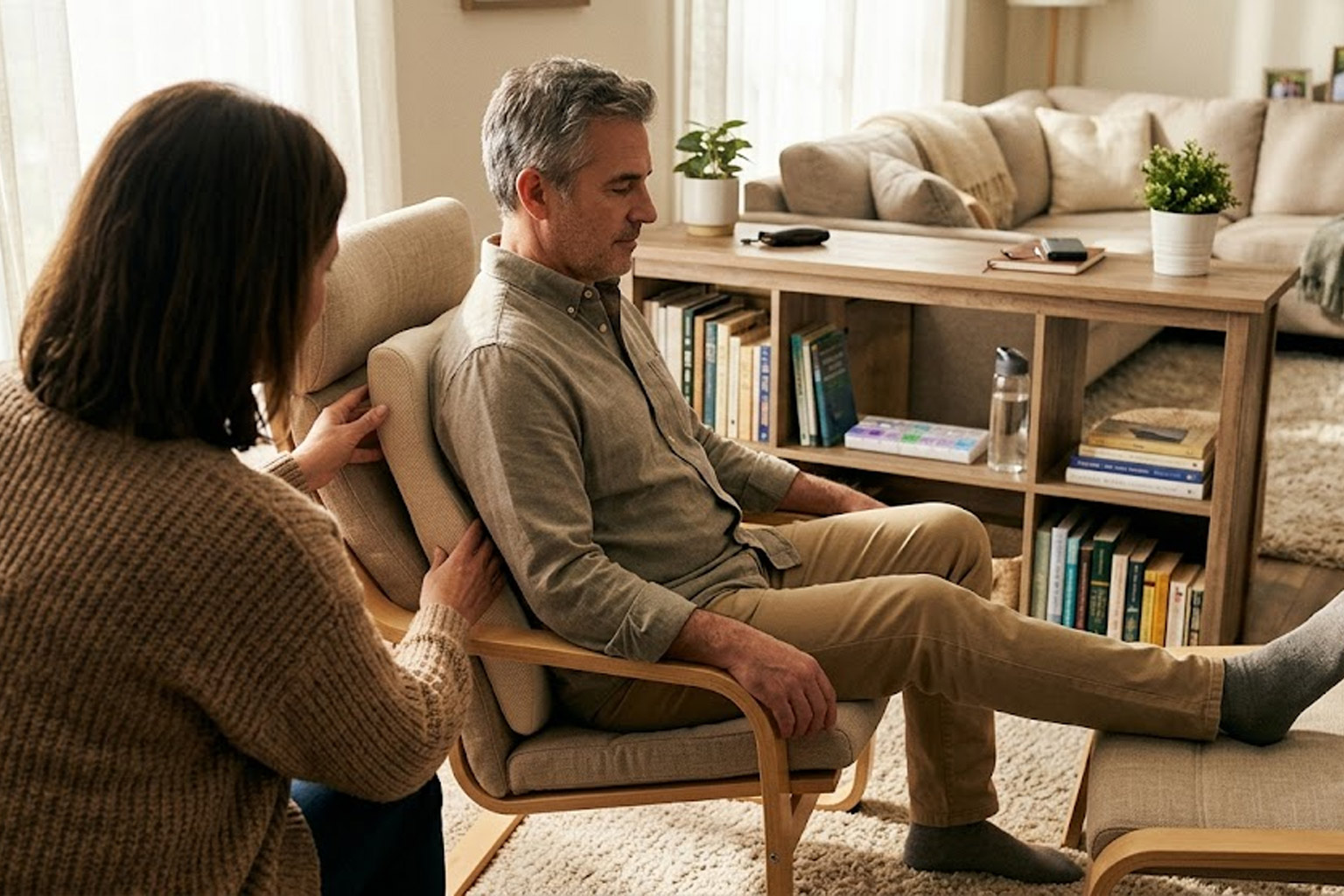
At-home choices around furniture, movement, and daily routines have a direct effect on joint comfort and function. Small, consistent adjustments can reduce repeated strain and lower the risk of flare-ups during ordinary tasks. This piece offers practical, evidence-informed tips you can apply without specialized equipment. Focus is on pacing, thoughtful setup, and simple movement habits that fit into everyday life.
Smart Furniture and Workstations
Choose seating and surfaces that support neutral posture to minimize unnecessary joint loading. A chair with good lumbar support and a seat height that lets your feet rest flat reduces stress on hips and knees, while work surfaces at elbow height prevent shoulder and neck strain. For tasks that require standing, use a footrest to alternate weight and avoid locking knees. Lighting and reachable storage also reduce awkward reaches that compound wear over time.
Make incremental changes rather than replacing everything at once to find what feels sustainable. Test a new arrangement for several days and adjust based on comfort rather than aesthetics. Small improvements often yield meaningful gains in daily ease.
Movement Habits to Spread Load
How you move matters as much as where you sit. Breaking tasks into shorter, frequent sessions and alternating activities prevents accumulation of load that can trigger pain. Use both sides of your body when possible, shift weight often while standing, and avoid holding one posture for long stretches. Simple cues, like a timer to remind you to stand or walk, help embed these behaviors into routine.
- Set a reminder every 30–45 minutes to change position.
- Alternate carrying items between hands when safe.
- Use short walking or stretch breaks between chores.
These small habits distribute mechanical stress and improve circulation. Over weeks, they reduce the frequency of overload-related discomfort.
Simple Strength and Flexibility Practices
Targeted, brief exercises support joint resilience by improving muscle support and mobility. Focus on low-impact strength moves, gentle range-of-motion work, and controlled balance training that you can do in short sessions. Consistency matters more than intensity; three to five minutes a few times daily is often enough to maintain function. Avoid aggressive stretching into pain and prioritize controlled, comfortable movement.
Integrate exercises into daily rituals like morning routines or TV breaks so they become habitual. Progress gradually and celebrate small improvements in ease and endurance.
Conclusion
Thoughtful home setups combined with movement habits can meaningfully reduce joint strain over time.
Start with modest, reversible changes and build consistency before increasing intensity.
These practical steps support durable comfort without dramatic lifestyle overhaul.










