Recovering movement after treatment often depends on simple, consistent changes in the places you live. Small adjustments to layout, lighting and routine can reduce risk and make daily tasks more manageable. Prioritizing practical, low-cost strategies helps maintain independence while supporting steady progress. This article outlines clear steps to make your home safer and more movement-friendly.
Assessing immediate needs and risks
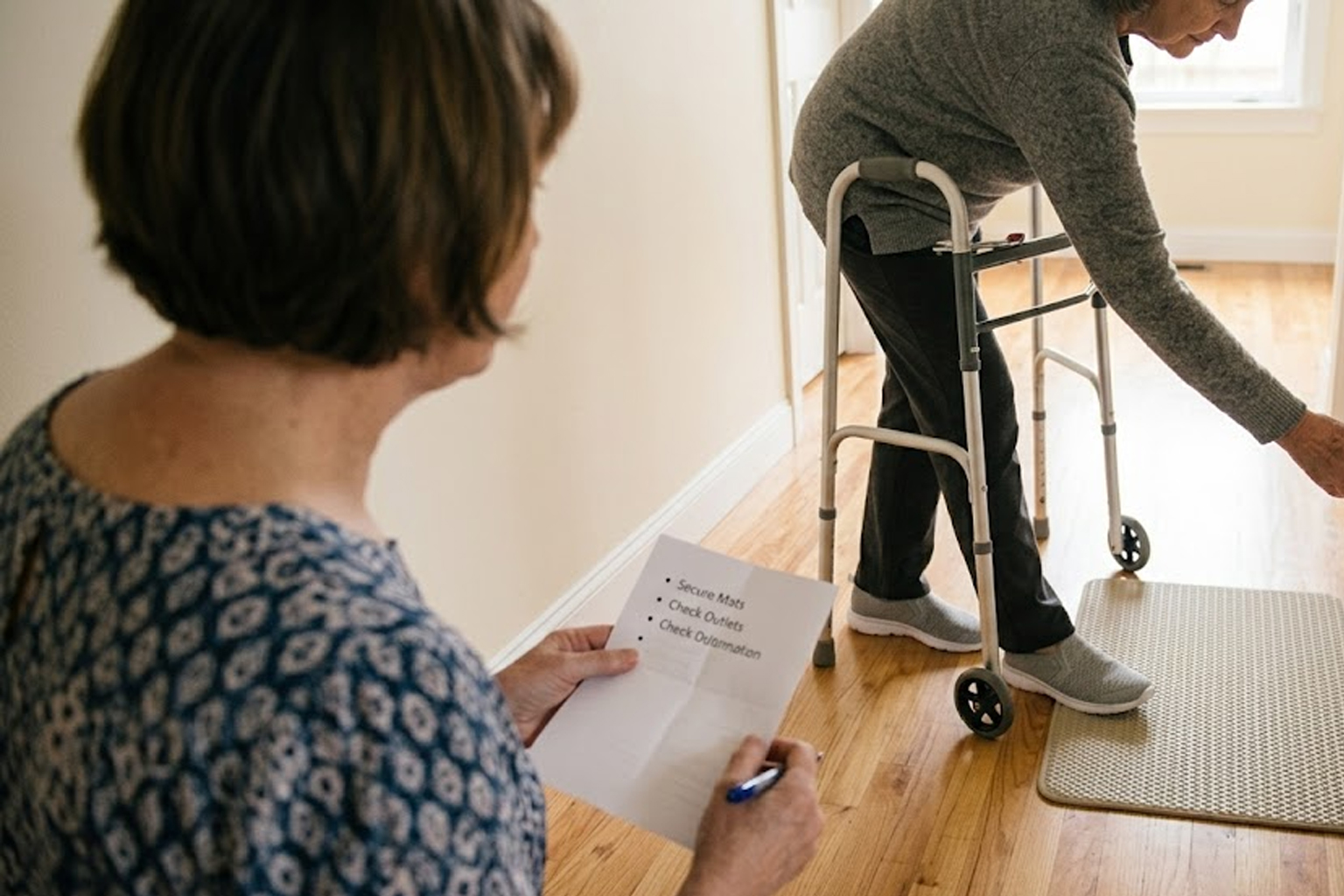
Begin by walking through commonly used rooms with the intent to note hazards and obstacles. Look for loose rugs, cluttered pathways, low lighting and furniture that requires awkward movements to use. Consider daily activities that cause difficulty, such as stepping into the shower or reaching high shelves, and prioritize changes that address those tasks. This focused assessment sets the stage for targeted interventions that matter most.
Make a short list of the highest-risk areas to tackle first and tackle them gradually to avoid overwhelm. Involving a family member or caregiver in this review can provide helpful perspective and practical assistance.
Practical layout and lighting changes
Adjusting furniture placement and improving lighting reduces trips and supports balance during movement. Keep pathways clear, position frequently used items within easy reach and secure or remove loose rugs that can catch feet. Replace dim bulbs with brighter, glare-free lighting and add nightlights in corridors and bathrooms to aid safe navigation after dark. These changes create a predictable environment that reduces cognitive load while moving.
- Widen main walkways and create clear turning spaces.
- Use contrasting colors on steps or thresholds where possible.
Small investments in lighting and simple rearrangements often yield immediate safety benefits. Regularly revisit these changes as mobility improves or needs shift.
Daily habits to support steady, pain-free progress
Consistent, gentle activity is more effective than sporadic intense effort for rebuilding mobility. Break tasks into manageable steps, use pacing and rest breaks, and favor repeated short walks or sit-to-stand practice over single long sessions. Pay attention to posture, foot placement and how tasks feel, adjusting intensity based on comfort and endurance. Tracking simple measures like step counts or minutes of activity can help maintain motivation.
Set realistic short-term goals and celebrate small gains to build confidence. Sharing progress with a support person reinforces accountability and encourages continued effort.
Low-cost aids and monitoring progress
Simple assistive tools can boost safety without creating dependency, such as non-slip mats, grab bars, stable chairs and hand-held reachers. Use footwear with good grip and avoid slippery surfaces when possible; also, keep a charged phone or alert device accessible during activity. Regularly review how tools are working and adapt them as your strength and balance change. Objective feedback supports informed adjustments to routines.
Begin with one or two aids and expand only as needed to keep the environment uncluttered. Periodic reassessment ensures the home evolves with your recovery.
Conclusion
Implementing small, practical, environmental and routine changes can substantially reduce risk and enhance movement confidence. Prioritize simple adjustments that target daily challenges and adopt aids selectively to support independence. Regular reassessment will keep your space aligned with gradual progress and changing needs.