Recovering movement at home requires clear structure and realistic expectations.
A consistent routine helps rebuild strength, balance, and confidence over time.
Small, manageable activities reduce the risk of setbacks and support steady progress.
This article outlines practical steps to create a safe, progressive home recovery plan.
Start with modest goals and focus on consistency rather than intensity.
Assess Your Starting Point
Begin by evaluating your current mobility, pain levels, and any restrictions from recent care or consultations. Note which daily tasks are challenging and identify safe ranges of motion that do not increase symptoms. If you have any prescribed limits from a clinician, use them to shape your initial activities. A simple movement log or checklist can capture baseline information useful for planning.
Knowing where you start makes small gains measurable and reduces the chance of overexertion.
Design a Gradual Movement Plan
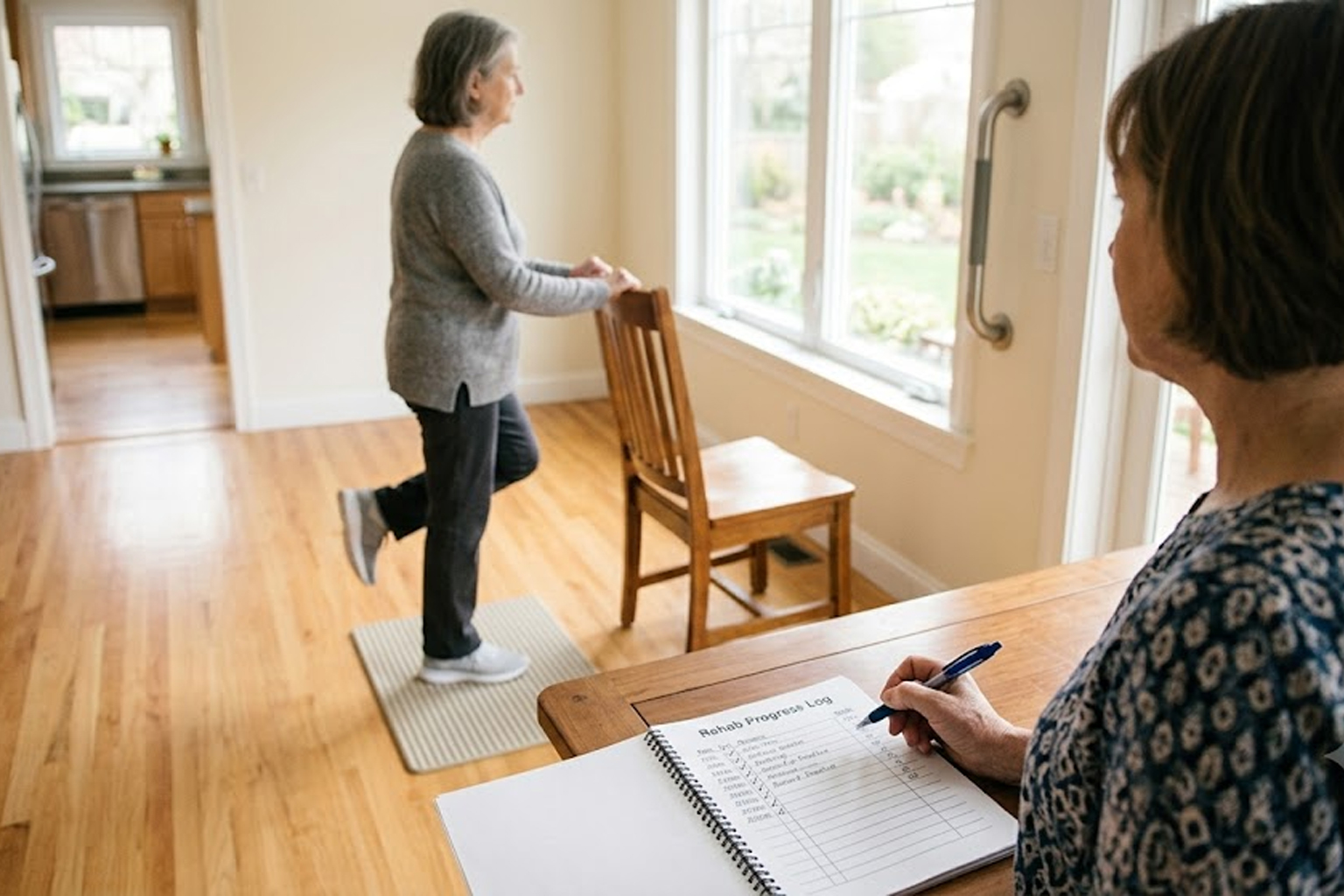
Structure sessions into short, frequent practices that include mobility, strengthening, and balance elements. Prioritize low-impact activities such as seated exercises, gentle standing balance drills, and controlled functional movements that mimic daily tasks. Progress by increasing repetitions, duration, or challenge only when exercises feel comfortably manageable. Keep sessions predictable and easy to follow to encourage adherence.
Consistency over weeks yields more reliable recovery than sporadic intense efforts.
Make Your Home Safer and More Supportive
Modify the environment to reduce fall risk and support independence during recovery. Remove loose rugs, improve lighting, and arrange frequently used items within comfortable reach to limit unnecessary bending or stretching. Consider temporary supports like grab bars, non-slip mats, or a stable chair for balance practice. These adjustments help create a forgiving environment where you can practice movements confidently.
Small changes to the environment can significantly lower risk and boost daily function.
Monitor Progress and Adjust
Track improvements in mobility, pain, and the ability to perform daily tasks using simple notes or photos. Use objective markers such as increased repetitions, longer standing tolerance, or fewer assistance needs to guide progression. If setbacks occur, reduce intensity and revisit earlier, successful activities until stability returns. Regularly review goals and celebrate tangible gains to maintain motivation.
Adapt the plan based on real feedback from your body and any professional advice received.
Conclusion
Establishing a safe at-home routine combines clear assessment, gradual progression, and thoughtful environment changes.
Monitor your progress and adjust exercises to match recovery stages and daily needs.
With patience and consistency, home-based routines can restore movement and confidence effectively.