Recovering mobility at home after a medical event requires a careful, measured approach.
Small, consistent steps help rebuild strength and confidence without overwhelming the body.
Clear planning, simple environmental changes, and gentle exercises reduce risk and support progress.
This guide outlines practical steps you can take to move safely and steadily toward everyday function.
Assessment and Goal Setting
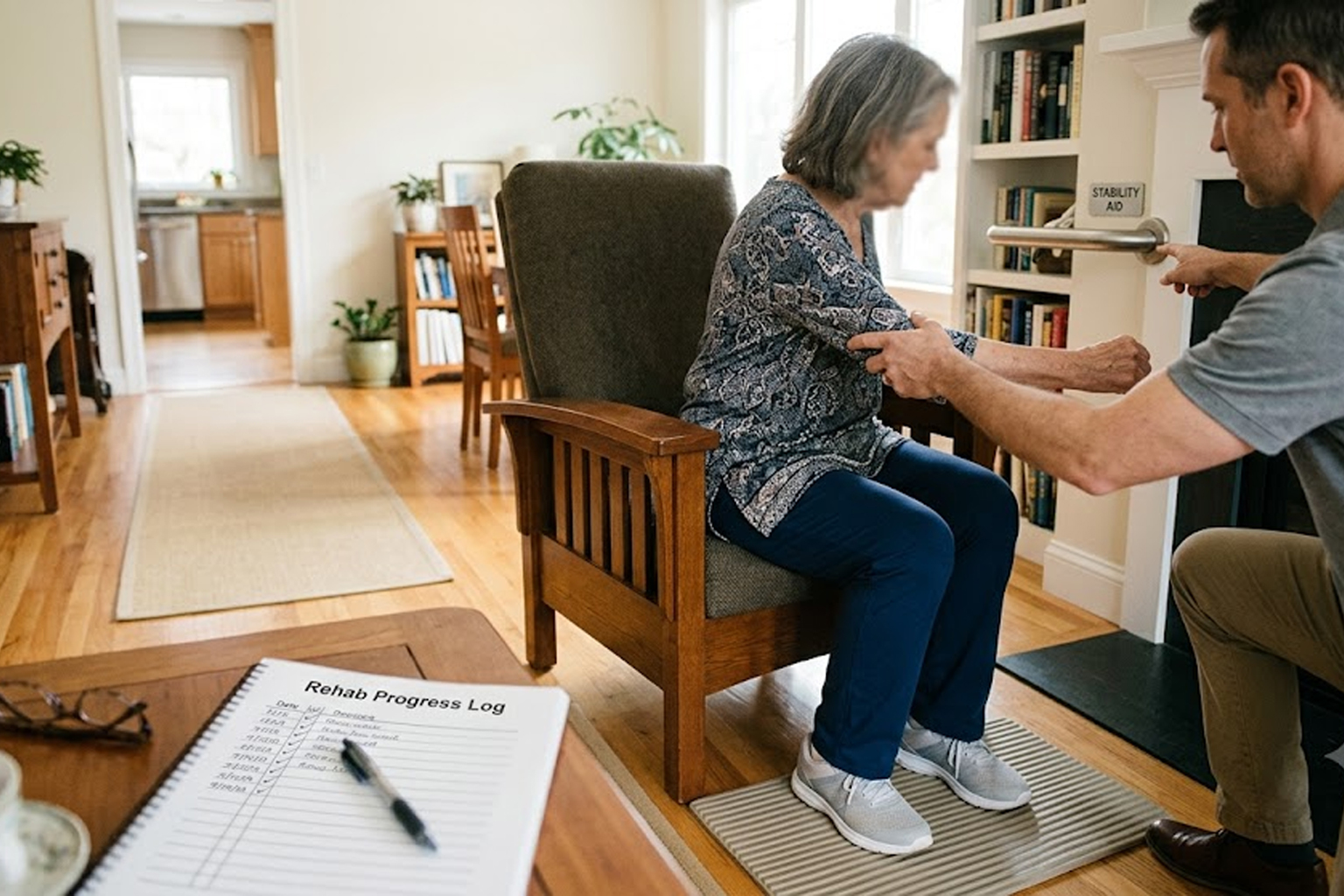
Begin by assessing current abilities and realistic limitations, ideally with input from a clinician or therapist. Set short-term, achievable goals such as standing without support for a few minutes or walking a specified distance indoors. Track progress in a simple log to celebrate gains and to adjust activities when needed. Clear goals help prioritize daily efforts and keep rehabilitation focused on meaningful tasks.
Keep goals modest and measurable, and revise them as improvement occurs. Consistent small wins motivate ongoing participation and reduce the chance of setbacks.
Preparing a Safe Home Environment
Preparing the home to support recovery reduces risk and encourages independence. Remove tripping hazards, create wide, unobstructed pathways, and ensure frequently used items sit at comfortable heights. Improve lighting in hallways and stairways and use night lights near bedrooms and bathrooms. Consider simple assistive devices only after consulting a therapist to match needs and abilities.
- Clear clutter and tape down loose rugs.
- Add non-slip mats in wet areas.
- Install grab bars near the shower and toilet.
- Arrange furniture to allow easy turns.
- Keep a charged phone within reach.
Small, targeted modifications make daily movement safer and less tiring. Reassess the environment as mobility improves to avoid new hazards.
Gentle Exercise Progression
Gentle exercise progression focuses on practical tasks that support everyday independence. Begin with seated or supported standing exercises to build leg strength and balance, then gradually introduce short walks and basic functional movements such as sit-to-stand and step practice. Use a consistent schedule with brief sessions several times daily rather than one long workout. Monitor fatigue and pain, and reduce intensity if symptoms worsen.
Progress at a pace that feels sustainable and safe, and record changes in mobility. Celebrate small improvements and adapt exercises as strength returns.
Monitoring Recovery and When to Seek Help
Regular monitoring helps recognize positive trends and signals that need attention. Check for increasing swelling, unusual pain, dizziness, or changes in skin color around surgical sites or weak limbs. Measure walking distance or time and note balance events such as near-falls to share with your clinician. When progress stalls or new symptoms appear, timely professional review can prevent complications and guide next steps.
Keep a simple log of concerns and improvements to discuss at follow-ups. Urgent changes such as sudden weakness, fever, or uncontrolled pain warrant immediate medical attention.
Conclusion
Steady, supported progress at home can restore function and confidence.
Combine modest goals, a safe environment, and gradual exercises.
Seek professional advice if recovery stalls or concerning symptoms arise.