Recovering movement at home is about small, reliable choices more than dramatic routines. Simple changes to how you stand, sit and step can cut pain and reduce setbacks. This piece focuses on practical, low-effort adjustments that protect healing while encouraging steady progress. Read on for clear habits you can start today without special equipment.
Start by choosing a few adjustments you can repeat every day and treat them as nonnegotiable habits. Over time those small acts add up to safer, more confident movement.
Start with simple, repeatable movement habits
Begin each day with two to three brief movements that warm muscles and reinforce safe patterns. For many people this means a controlled sit-to-stand, a few ankle circles and a gentle hip hinge practiced slowly. Focus on quality over quantity: slow, purposeful repetition helps retrain balance and posture. Aim for a consistent morning routine so the body expects and prepares for activity.
Keep the sequence short and predictable so it becomes part of daily life. When movements feel automatic, you reduce the chance of awkward compensations that can cause pain.
Make practical changes to reduce risk
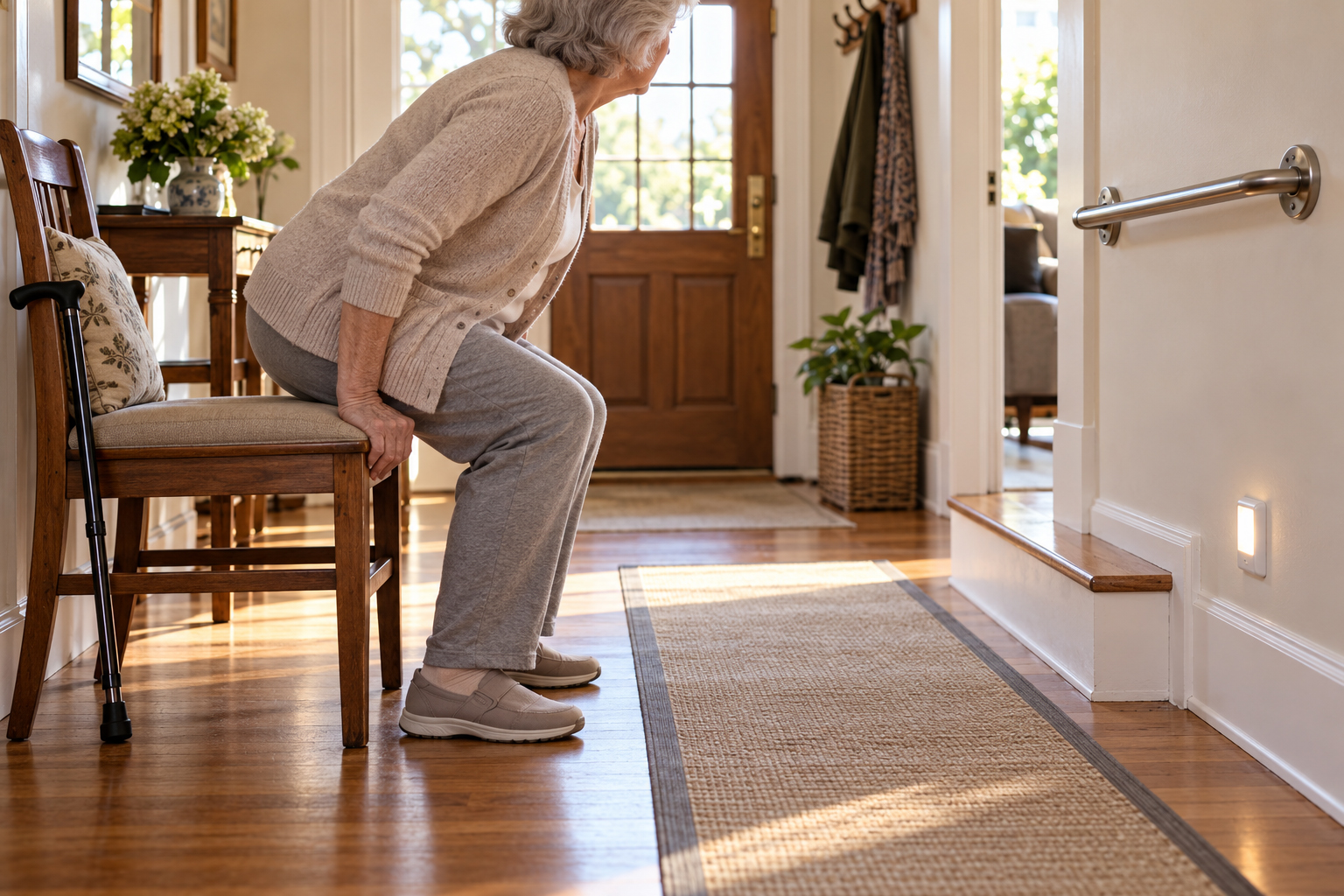
Look around your most-used rooms and remove small hazards that invite slips or stumbles. Clear pathways, secure loose rugs, and position a stable chair near places where you pause often. Adjust lighting so you can see thresholds and steps at all times of day. These inexpensive, targeted tweaks make everyday movement safer and less mentally taxing.
Consider modest assistive items only when they genuinely lower risk, such as a non-slip bath mat or a grab bar beside a frequently used chair. The goal is supporting independence, not creating dependence.
Use short, focused sessions to build strength
Instead of long exercise stints, sprinkle brief, targeted sessions throughout the day to build endurance without overwhelming tissues. Three or four two- to five-minute blocks that target standing balance, hip stability or shoulder control can be surprisingly effective. Progress by small increments: add one extra repetition or five more seconds of hold every few days. Keep attention on safe form and stop if pain increases suddenly.
Track modest wins—more steady steps, less stiffness after standing—and use them as cues to gently increase challenge. Consistency matters far more than intensity in early recovery.
Conclusion
Small daily adjustments—habitual movements, cleared spaces, and short strength bursts—add up to safer, smoother recovery. Prioritize consistency and form over dramatic workouts to protect healing tissues. These steady choices help restore confidence and real-life function at home.