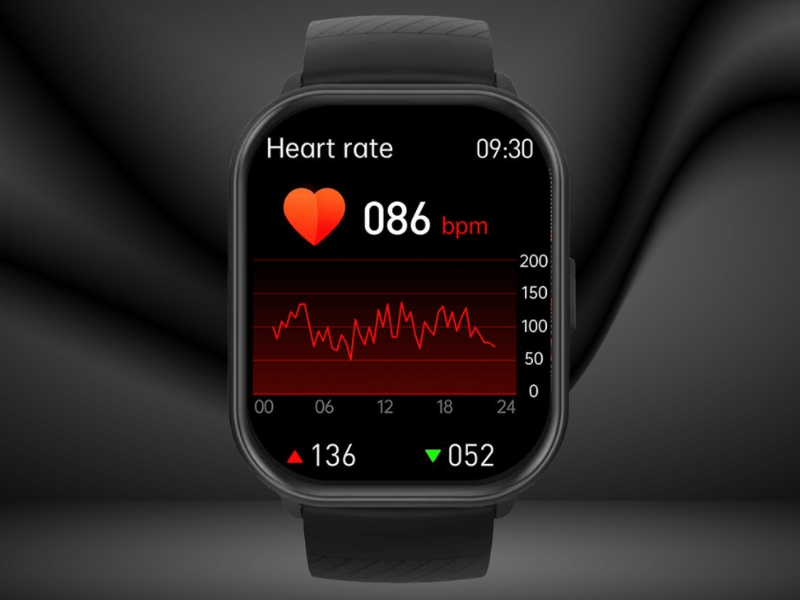
Healthcare has traditionally focused on physical indicators like heart rate, blood pressure, and oxygen levels. But growing research shows that emotions are just as essential to overall health. The concept of Emotional Vital Signs encourages people to track mood, stress, and emotional patterns alongside physical measurements. When combined, these indicators offer a more complete picture of well-being and can help prevent health issues before they escalate.
Why Emotions Belong in Your Health Data
Emotions influence the body more than most people realize. Stress can raise blood pressure, anxiety can accelerate heart rate, and prolonged sadness can weaken immunity. By tracking mood alongside physical readings, individuals can identify correlations — like elevated heart rate during stressful periods or low energy following poor sleep. This combined view provides early warning signs and supports better lifestyle choices.
How Emotional Tracking Works
Tracking emotional vital signs involves rating mood, energy levels, stress, or mental clarity at regular intervals. Many people use journals or mobile apps that pair emotional ratings with biometric data from wearables. Over time, patterns emerge morning stress spikes, afternoon mood drops, or improved evenings after exercise. These insights help individuals understand triggers and adopt healthier habits.
The Power of Integrated Health Insights
When emotional data is viewed alongside physical metrics, healthcare becomes proactive rather than reactive. Doctors gain a clearer understanding of symptoms, mental health professionals can spot early signs of burnout, and individuals learn how lifestyle choices affect both body and mind. This integrative approach leads to better treatment outcomes and more personalized care.
Why This Matters for Long-Term Wellness
Emotional vital signs encourage people to view mental and physical health as deeply connected. Tracking mood fosters self-awareness, reduces emotional suppression, and supports healthier coping strategies. When individuals regularly monitor how they feel — not just how they function — they develop a more balanced and sustainable approach to health.
Conclusion
Emotional Vital Signs highlight the importance of tracking mood alongside traditional physical measurements. By understanding how emotions interact with heart rate, blood pressure, and overall well-being, individuals gain powerful insights that support better decision-making and long-term health. Listening to both the body and the mind leads to a more complete and resilient form of wellness.