Keeping food crispy isn’t just a cooking skill — it’s a science. Whether it’s fries, fried chicken, tempura, or roasted vegetables, one universal rule applies: crispiness disappears when moisture moves in. Moisture Management is the set of techniques chefs use to prevent food from getting soggy, even for hours after cooking. By understanding how heat, humidity, and airflow interact, home cooks and professionals can preserve crunch far longer than usual.
Crispiness comes from dehydration — removing enough water from the surface of food so it becomes light, brittle, and snappable. But because water is always trying to move from warm to cool areas, crisp foods quickly absorb moisture from the air or their own steam. The key is controlling moisture migration.
Why Food Loses Crispiness
Freshly fried or roasted food is dry on the outside but still contains steam inside. As it cools, steam escapes and settles back onto the surface, softening the crisp layer. Packaging, stacking, or covering food too early traps moisture, accelerating sogginess. Even humidity in the room can reverse crispness. Understanding these forces allows you to counteract them.
Techniques That Keep Food Crispy for Hours
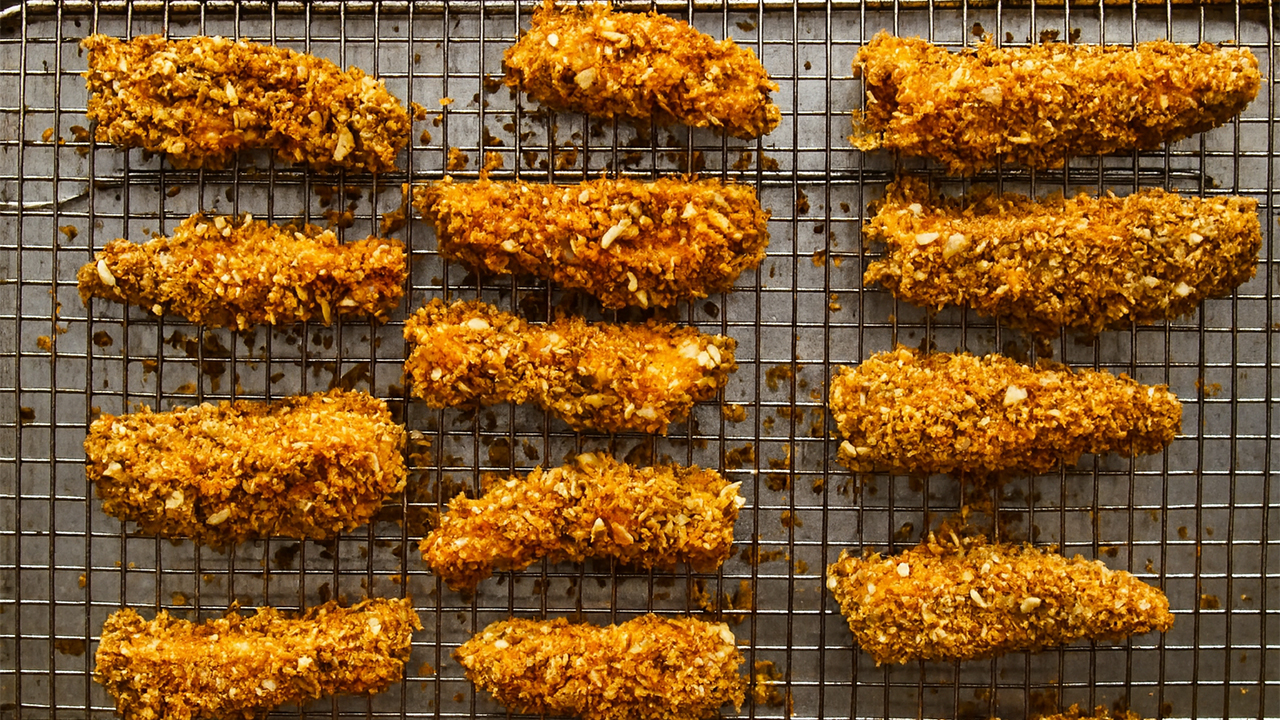
Use elevated cooling racks.
Airflow is essential. Elevating food prevents steam from getting trapped underneath.
Vent your containers.
If packing food for later, leave small vents to allow moisture to escape. Closed lids guarantee sogginess.
Add starch coatings.
Light coatings of cornstarch, rice flour, or potato starch help create a stronger crispy shell that resists moisture.
Double fry for longevity.
The first fry cooks the food; the second fry dehydrates the outer layer. This creates a professional-grade crunch that lasts.
Keep foods warm, not hot.
Hot holding cabinets or low oven temperatures (around 90–100°C) keep food dry without overcooking.
Why Restaurants Excel at Crispiness
Professional kitchens use warming lamps, dehydrators, and open-air resting methods that allow moisture to escape instead of settling. Many also use starch blends and batters designed specifically to maintain texture. Even packaging is engineered for airflow — perforated boxes and vented containers are intentionally chosen to preserve crispiness.
The Future of Crisp Food
Food scientists are developing new coatings, freeze-drying techniques, and packaging films that delay moisture absorption. As delivery culture grows, crispiness retention has become a major focus for innovation in both restaurants and home kitchens.
Conclusion
Moisture Management is the secret to maintaining long-lasting crunch. By mastering airflow, temperature, coating, and packaging, you can keep food crispy well beyond the moment it leaves the pan. With a few simple techniques, your favorite foods stay crunchy, satisfying, and delicious for hours.