Recovering mobility after medical treatment often depends as much on the environment and daily habits as on formal therapy. Small, intentional adjustments at home can reduce fall risk and support steady progress without overwhelming energy reserves. Prioritizing safety, gradual movement, and consistent routines helps rebuild confidence and function. This article outlines practical steps to make living spaces and daily practices work for recovery.
Assessing and Adapting Your Living Space
Begin by walking through key areas and noting trip hazards, dim lighting, or awkward furniture arrangements. Remove loose rugs, secure cords, and create clear paths between frequently used rooms to shorten walking distances. Consider non-slip mats in wet areas and stable seating at different heights to ease transfers. Small upgrades like brighter bulbs and reachable storage make daily tasks less strenuous.
These adaptations reduce barriers so movement becomes more predictable and less risky. They also free mental energy for focused rehabilitation.
Establishing Gentle, Progressive Movement Habits
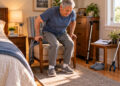
Structure short, regular movement windows into the day rather than long sessions that provoke fatigue. Start with low-load activities such as sit-to-stands, controlled weight shifts, and slow gait practice, increasing repetitions before resistance. Use a timer and set realistic intensity limits to avoid overdoing it while still challenging muscles and balance. Pair activity with routine tasks—marching in place while waiting or standing on one leg while brushing teeth—to reinforce consistency.
Consistency beats intensity during early recovery, and progress is often measurable in small gains. Keep a simple log to track what feels easier week to week.
Managing Energy, Pain, and Safety During Daily Tasks
Monitor energy and pain to balance rest with activity; unexpected fatigue or increased pain signals a need to scale back. Learn pacing techniques: break tasks into subtasks, sit when possible, and alternate heavier chores with light ones. Equip the home with helpful tools such as long-handled reachers and grab bars to preserve energy and reduce strain. Always prioritize safe technique over speed to prevent setbacks.
Pain and fatigue are useful feedback, not reasons to stop all activity. Adjust the plan and consult a clinician if symptoms steadily worsen.
Tracking Progress and Knowing When to Seek Extra Support
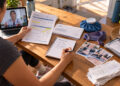
Track progress with simple, objective measures: how far you walk, how many sit-stand repetitions, or how many stairs you can manage comfortably. Celebrate small milestones and adapt goals monthly to remain challenging but achievable. If improvements plateau despite consistent effort, consider a formal assessment from a therapist to refine exercises and address compensatory patterns. Telehealth or in-person sessions can provide targeted strategies, assistive device recommendations, and safe progression plans.
Objective tracking helps identify trends and prevents inadvertent overuse. Professional input accelerates progress when home routines stall.
Conclusion
Thoughtful environmental changes and steady, paced movement habits together create a safer path to restored mobility. Small daily wins compound into meaningful functional improvements. Use objective tracking and professional advice to keep progress steady and sustainable.