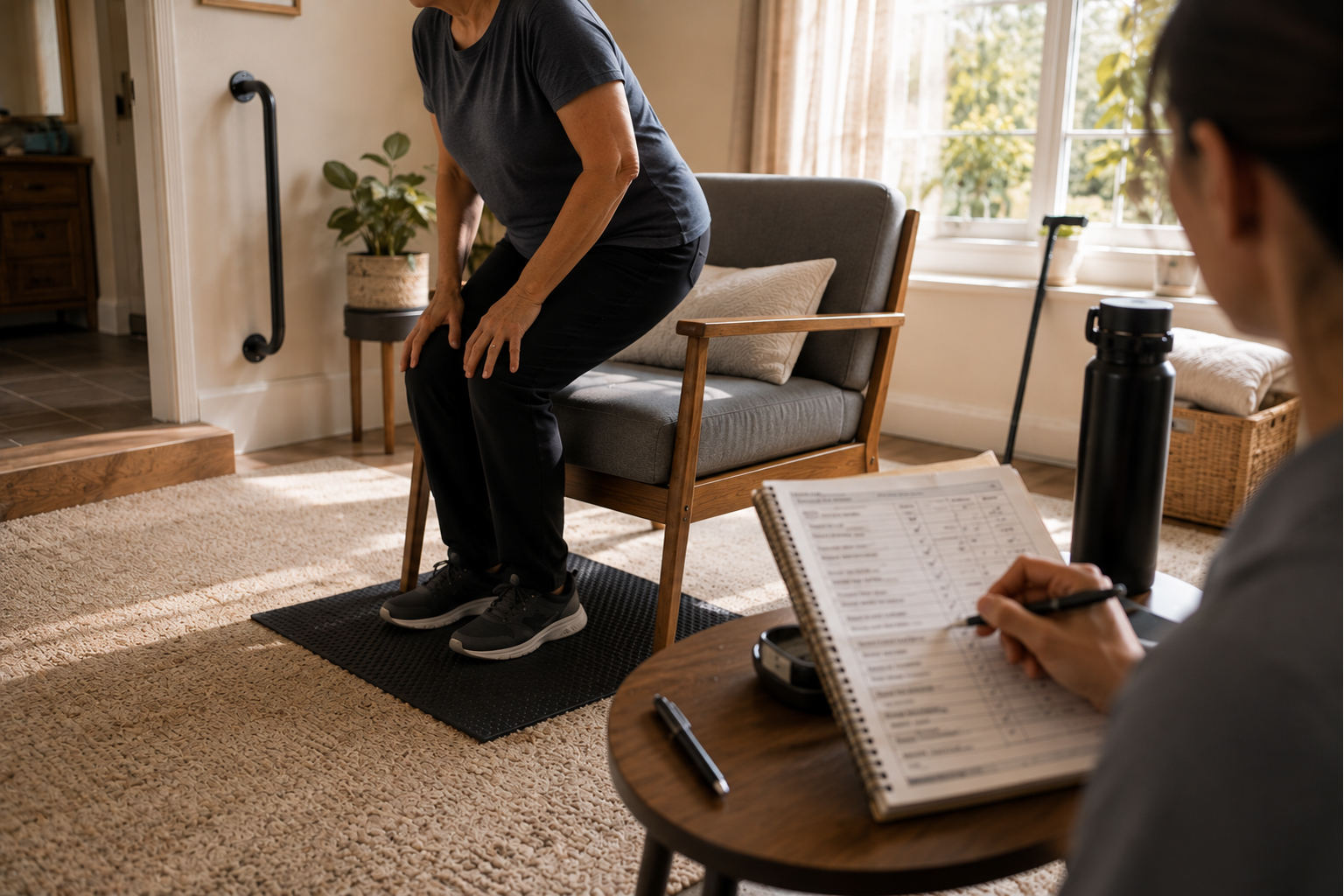
Recovering mobility at home after medical treatment requires a clear plan that balances safety with steady progress. Small, consistent steps build strength and confidence while reducing the risk of setbacks. This article outlines practical priorities you can apply in a home setting to support recovery without specialist equipment. Use these principles to shape daily routines and long-term goals that match your pace.
Assessing Needs and Setting Realistic Goals
Begin by identifying current abilities and limitations so goals are achievable and measurable. Work with a clinician or therapist to define short-term milestones and a longer-term recovery target that prioritizes function over speed. Set priorities around activities you value most, such as walking independently, climbing stairs, or returning to work tasks. Clear goals make it easier to choose appropriate exercises and monitor improvement.
Translate each goal into small, actionable steps you can repeat daily or weekly. Start conservatively and plan incremental increases in duration, repetitions, or complexity. Consistent small gains compound into meaningful improvement over weeks and months.
Creating a Safe, Supportive Home Environment
A safe environment reduces fall risk and encourages movement. Remove loose rugs, ensure clear walkways, and arrange frequently used items within easy reach to minimize unnecessary strain. Good lighting and stable seating with armrests support safer transfers and balance practice. Simple, low-cost changes often have a big impact on confidence and independence.
- Non-slip mats in bathrooms
- Night lights for corridors
- Sturdy chairs and grab bars where needed
These adjustments make it easier to practice mobility tasks and reduce anxiety about moving around. Reassess the space as mobility improves and remove supports gradually when safe.
Daily Movement Habits and Progressive Exercises
Design a daily routine focused on mobility, strength, and balance. Include gentle range-of-motion work, sit-to-stand repetitions, short walks, and balance challenges that match your current capacity. Progress the load slowly by increasing repetitions, time, or complexity, and prioritize controlled movements over speed. Consistency matters more than intensity in early recovery phases.
- Warm-up: gentle joint circles and breathing
- Strength: 10–15 sit-to-stands or wall push-ups
- Balance: heel-to-toe stands or supported single-leg holds
Record what you do each day to track progression and identify when to increase difficulty. Build variety to prevent plateaus and keep motivation high.
Tracking Progress and Preventing Setbacks
Monitor pain, fatigue, and function to guide progression and avoid overdoing it. Use a simple log to note distance walked, exercise repetitions, and symptom changes, and share updates with your care team. Adjust goals when progress slows or symptoms flare, and incorporate rest and recovery days deliberately. Recognizing warning signs early prevents setbacks and supports steady improvement.
Celebrate small wins to maintain motivation and stay realistic about timelines. Regular reviews help refine your plan and ensure it remains safe and effective.
Conclusion
Home recovery for mobility is achievable with structured goals, a safe environment, and consistent daily habits. Track progress carefully, adjust plans when needed, and prioritize function and safety over rapid gains. With patience and a clear blueprint, steady improvements become sustainable.