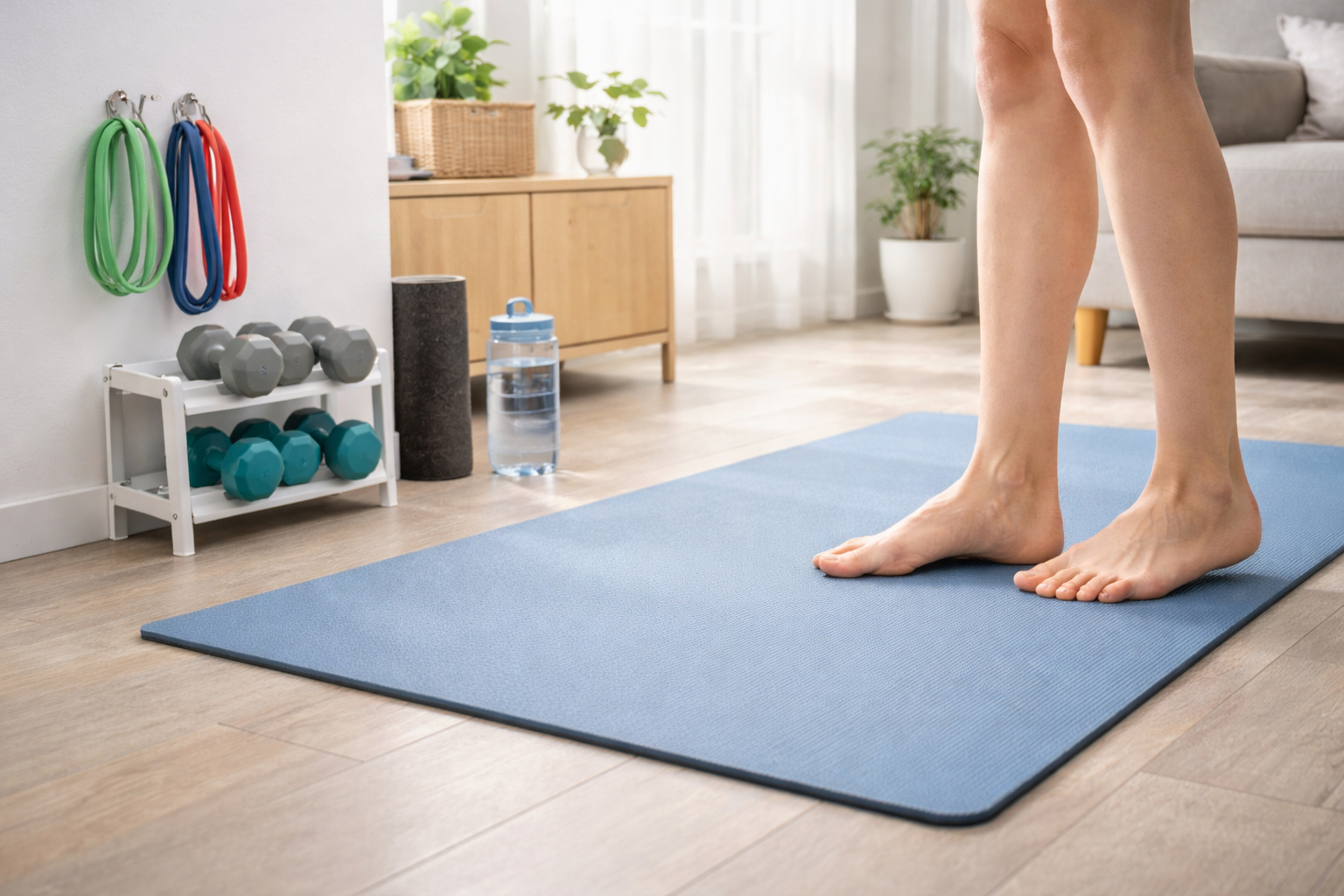
A safe home exercise environment reduces the chance of injury and makes workouts more sustainable over time. Small adjustments to layout, lighting, and equipment care can dramatically improve safety. This article outlines practical steps to prepare your space, choose and maintain gear, and adopt safer habits. The goal is to help you train consistently while minimizing common risks.
These suggestions are adaptable for small apartments, dedicated rooms, or shared living areas. Read on for actionable tips that balance convenience and precaution.
Assess Your Space
Begin by surveying the area where you plan to exercise and identify potential hazards like loose rugs, clutter, or uneven flooring. Ensure you have enough clearance for your range of motion and that ceilings are high enough for overhead movements. Consider lighting so you can clearly see obstacles and maintain good posture cues. An uncluttered, well-lit space will help reduce trips, falls, and accidental collisions.
- Check floor traction and remove trip hazards.
- Keep equipment organized and out of walkways.
- Designate a consistent workout zone.
Regularly re-evaluate the area as routines or furniture change. Simple organization can prevent many common accidents.
Equipment and Maintenance
Choose equipment suited to your fitness level and available space, favoring compact, multi-use items when room is limited. Inspect resistance bands, straps, and weights for wear before each session, and replace damaged items promptly. Secure heavier equipment like benches or racks to prevent tipping, and use mats to protect floors and provide a stable base. Proper maintenance extends equipment life and keeps training safe.
- Store small items on shelves or racks to avoid clutter.
- Keep a repair kit and replacement parts accessible.
- Schedule periodic deep inspections of major gear.
Maintenance routines reduce unexpected failures and help you focus on technique rather than equipment concerns. A little care goes a long way toward safer workouts.
Warm-Up, Technique, and Progression
A focused warm-up increases blood flow and prepares joints and muscles for work, lowering injury risk. Prioritize movement patterns that mirror your planned workout and include dynamic mobility exercises. Emphasize proper form over speed or load, and progress intensity gradually to allow tissues to adapt. Use mirrors or record short videos to check alignment if you train alone.
Consistent attention to form and measured progression prevents overuse injuries. When in doubt, scale back and build up more slowly.
Listening to Your Body
Pay attention to pain signals and distinguish between normal training discomfort and sharp or persistent pain that warrants rest. Adjust workouts on days when fatigue, poor sleep, or minor illness compromise performance to avoid exacerbating issues. Incorporate recovery practices such as hydration, sleep, and gentle mobility work to support tissue repair. Rest and modification are part of a sustainable approach to fitness.
Adopting an adaptive mindset helps you train longer and more effectively. Regularly reassess goals and limits to keep progress safe and steady.
Conclusion
Create a clear, well-maintained space and prioritize form and recovery. Small, consistent habits dramatically lower the chance of injury. With sensible planning, home workouts can be both effective and safe.