

Living with persistent pain reshapes daily life and priorities.
Small, intentional changes at home can reduce flare-ups and improve comfort.
This article presents practical ideas you can adopt without specialist equipment.
These strategies focus on movement, environment, and self-care to support resilience.
Assessing Your Home Environment
Start by reviewing spaces where you spend the most time and note physical barriers and sources of strain. Look for furniture, lighting, and layout choices that force awkward postures or require frequent bending, reaching, or twisting. Simple adjustments often reduce strain and lower the frequency of pain flares. A thoughtful home setup supports safer movement patterns and helps conserve energy throughout the day.
– Evaluate chair height and support to maintain a neutral spine.
– Identify high-reach storage and relocate heavy items to waist level.
These small changes can be implemented gradually and tailored to your daily routines.
A few modifications may provide immediate benefits and reduce the need for repetitive compensations.
Movement and Gentle Exercise
Consistent, low-impact movement helps maintain mobility and can reduce pain sensitivity over time. Aim for activities that combine gentle strength, flexibility, and balance rather than high-intensity exertion. Short, regular sessions are typically more effective and sustainable than irregular intense workouts. Listening to your body and adapting intensity helps prevent setbacks and encourages long-term adherence.
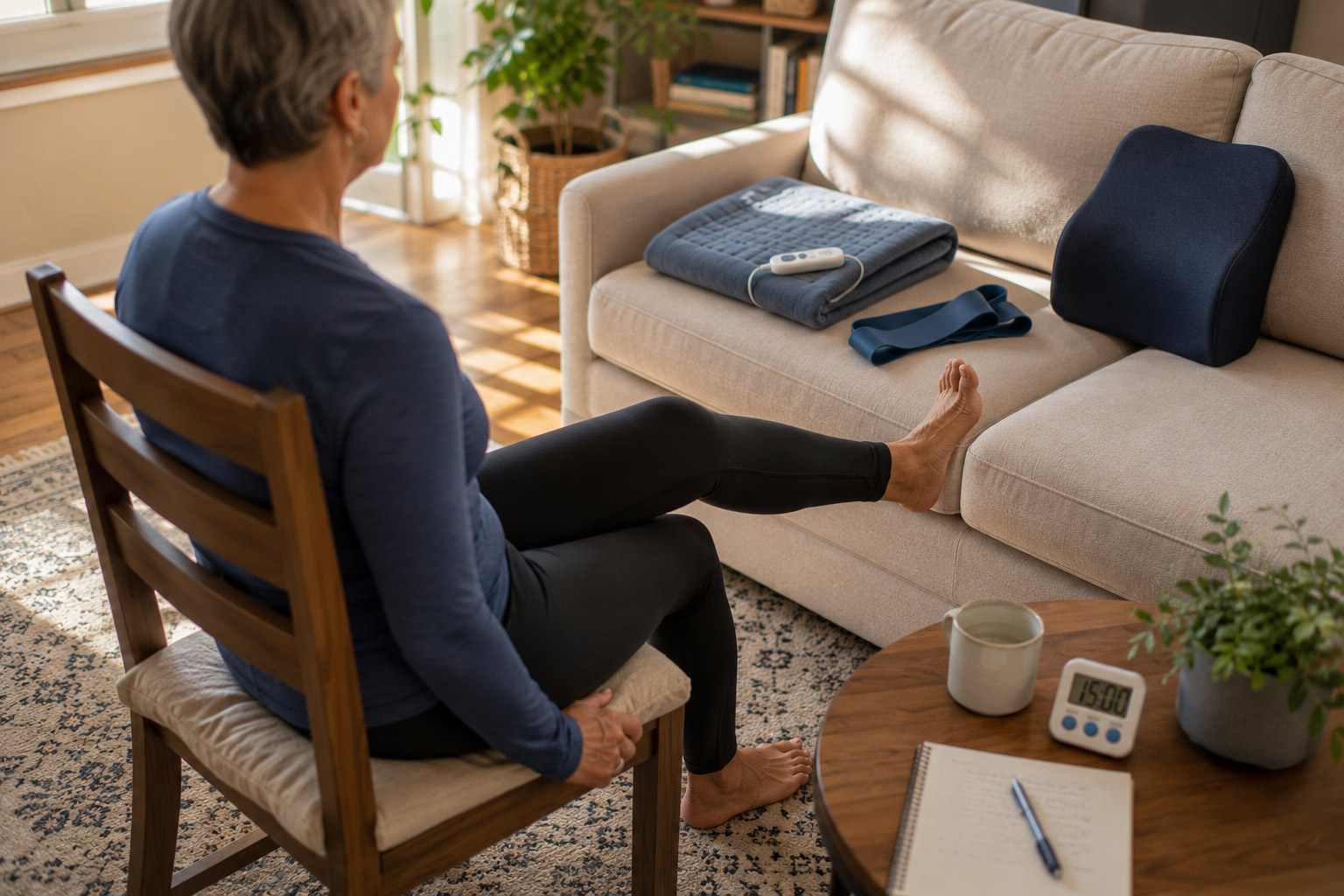
– Examples include short walks, seated leg lifts, and gentle stretching routines.
– Use timers or prompts to break prolonged sitting every 30 to 60 minutes.
Begin with modest goals and increase duration or repetitions as you tolerate them.
Building a routine that fits your schedule increases the likelihood you will keep moving regularly.
Practical Pain Self-Care Habits
Adopt routines that support comfort across the day, such as pacing tasks, prioritizing sleep, and managing stress. Mindful breathing, heat or cold application, and ergonomic aids can be effective adjuncts for symptom control. Create a simple plan for flare-ups with predefined steps like rest, gentle mobility, and modifying activities. Consistent self-care habits often translate into fewer interruptions and improved overall function.
– Keep a small toolkit: a heating pad, supportive pillow, and resistance band for stretching.
– Plan activity-rest cycles to avoid overexertion during good symptom days.
Regularly reviewing what works allows you to refine your approach and stay proactive.
Documenting changes and outcomes can reveal patterns and highlight effective strategies.
When to Seek Professional Support
If pain limits daily activities, worsens despite home strategies, or is accompanied by new symptoms, consult a health professional for assessment and tailored guidance. A clinician can recommend exercises, manual therapies, or referrals to specialists when appropriate. Early professional input often helps prevent prolonged disability and supports safe progression of home routines. Use clinical advice to personalize and advance the strategies described here.
Conclusion
Small, consistent home actions can meaningfully improve comfort and daily function.
Combine environmental tweaks, gentle movement, and practical self-care to build resilience.
Adjust strategies over time and seek professional input when progress stalls or symptoms change.










