

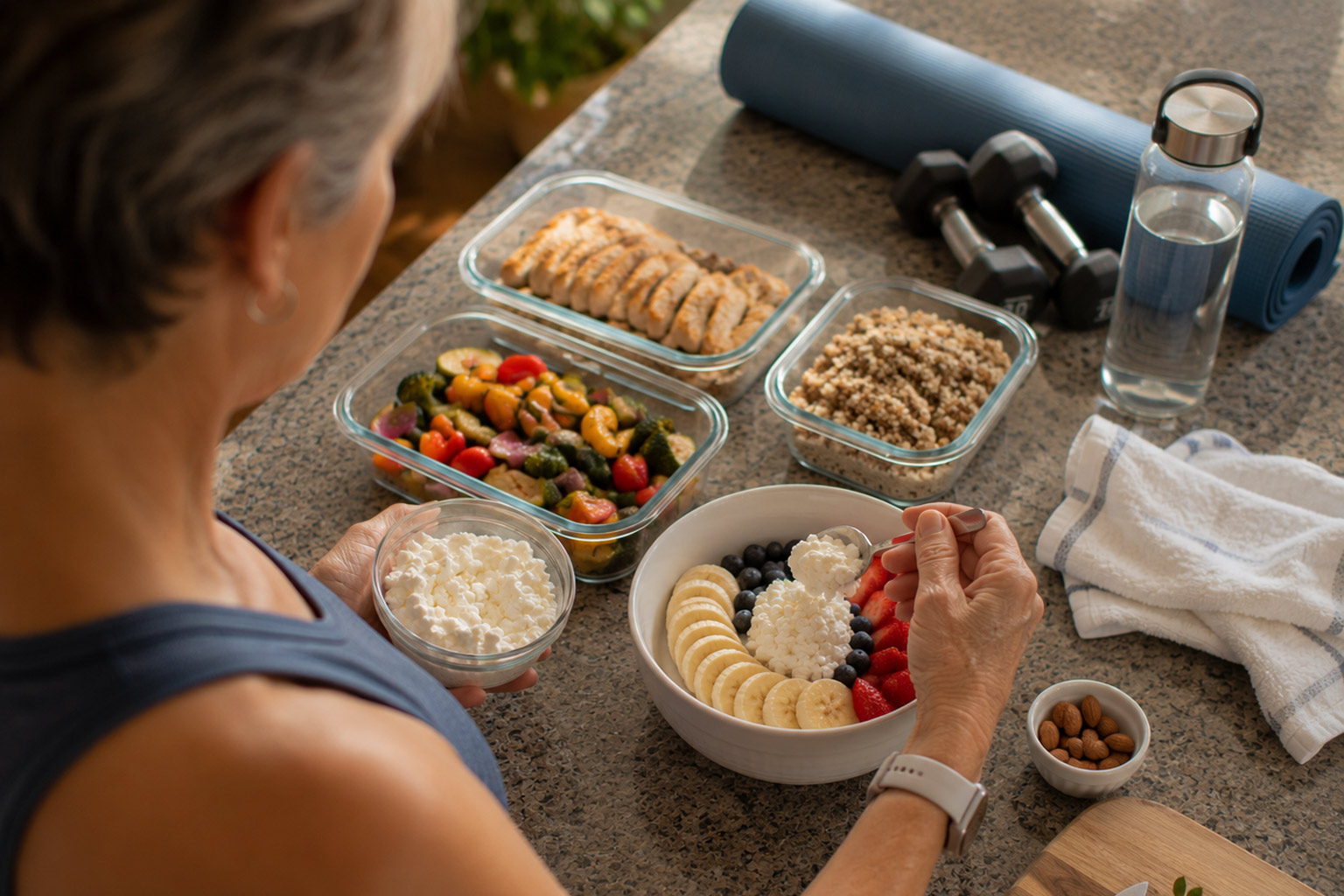
Eating well around home workouts doesn’t require a strict diet or complicated recipes.
Small, consistent habits determine how well your body performs and recovers from regular exercise.
This article outlines simple, sustainable adjustments to meals and snacks that support endurance, strength, and energy.
You’ll get practical guidance on timing, portions, hydration, and easy meal-prep tactics to keep gains steady.
Fueling Morning Sessions
Start your day with a balanced mix of carbohydrates and protein to sustain energy during home workouts and prevent mid-session fatigue. A modest portion of oats with yogurt, a piece of fruit, or whole-grain toast with nut butter provides digestible fuel without feeling heavy. Prioritize easily digestible carbs if you exercise within an hour of waking, and include protein if you have more time to digest. Small, regular meals earlier in the day build a stable base for performance and focus.
Protein Timing and Portions
Distribute protein evenly across meals to support muscle repair and steady amino acid availability for recovery after resistance or interval work. Aim for a source of lean protein at every main meal and consider a small protein-rich snack within an hour after intense sessions. Portion sizes depend on individual needs, but a palm-sized serving per meal is a practical starting point for many people. Consistent protein intake supports muscle maintenance and helps manage hunger between workouts.
Hydration and Recovery Snacks
Adequate hydration affects concentration, power output, and recovery, so make water a routine before, during, and after exercise sessions. Electrolyte-rich drinks or a piece of fruit can help replace minerals after longer or particularly sweaty workouts, while plain water suffices for most shorter sessions. Recovery snacks that pair carbs and protein—such as a banana with cottage cheese or whole-grain crackers with hummus—help replenish glycogen and support repair. Keep these options simple and portable so they don’t become a barrier to consistent use.
Practical Meal Prep Tips
Batch-cooking base ingredients like roasted vegetables, grilled proteins, and whole grains saves time and makes balanced meals effortless throughout the week. Use simple seasoning and versatile recipes so leftovers can be mixed into bowls, wraps, or quick salads without extra work. Preparing snack packs with nuts, yogurt portions, or sliced fruit keeps healthier options visible and reduces impulse choices. Small systems that reduce decision fatigue are the most sustainable way to fuel regular home exercise.
Conclusion
Simple, consistent eating habits compound into better performance and faster recovery.
Focus on balanced meals, regular protein, and sensible hydration to support your workouts.
Sustainable prep and timing keep nutrition practical and effective.










