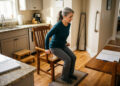
Recovering at home after medical treatment calls for a careful balance of activity, rest, and safety. Small, consistent routines reduce setbacks and build confidence while you regain strength. Planning practical changes to your environment and daily schedule helps prevent injuries and supports steady progress. This article outlines manageable steps to design a home recovery routine that complements clinical advice.
Assessing Your Space
Begin by surveying the rooms you use most and identifying tripping hazards, poor lighting, or unstable furniture. Simple fixes such as clearing walkways, securing loose rugs, and adding grab points near frequently used areas reduce fall risk. Consider temporary rearrangement to limit carrying distances for essentials like medications, water, and shoes. Prioritize areas where you move often to create safer, more predictable pathways.
A short assessment session can reveal a few high-impact changes. Start with small, low-cost adjustments that offer immediate benefit.
Progressive Movement and Exercise
Introduce gentle movement early, focusing on range of motion and slow strengthening exercises recommended by a clinician or physical therapist. Frequency and intensity should increase gradually; brief, consistent sessions are more effective than sporadic intense efforts. Incorporate functional tasks such as sit-to-stand repetitions, short walks indoors, or stair practice if appropriate. Track activity so you can adjust progress without overdoing it.
- Begin with five to ten minutes of light activity multiple times daily.
- Use support when needed: chairs, rails, or a stable surface.
- Stop with sharp pain or dizziness and consult a professional.
Use clear goals and simple logs to stay motivated and safe. Recovery benefits from repetition, patience, and realistic pacing.
Pain Management and Rest
Effective recovery balances movement with adequate rest and symptom management. Use scheduled rest periods, ergonomic seating, and sleep hygiene to support healing. Non-prescription strategies like ice, heat, or gentle massage may help according to guidance, but avoid unproven remedies without consulting clinicians. Learning to differentiate between normal soreness and signals that require evaluation helps prevent setbacks.
Adjust your plan when pain consistently limits activity and seek medical advice if symptoms worsen. Rest and pain control are tools to enable, not replace, gradual rehabilitation.
Monitoring Progress and Seeking Help
Regularly review your goals and simple measures of progress, such as walking distance, stair tolerance, or independence with daily tasks. Keep a brief journal of improvements, challenges, and any new symptoms to share with your care team. Virtual check-ins or in-person appointments can refine exercises and safety strategies as you improve. Family members or caregivers can support adherence and report concerns.
Open communication with providers ensures adjustments are timely and evidence-based. Celebrate small milestones to maintain motivation.
Conclusion
Building a safe home routine helps you regain function while minimizing risk and frustration. Small environment changes, gradual exercise, and attentive symptom management form a practical framework for steady recovery. Consult your healthcare team to tailor these steps to your individual needs.