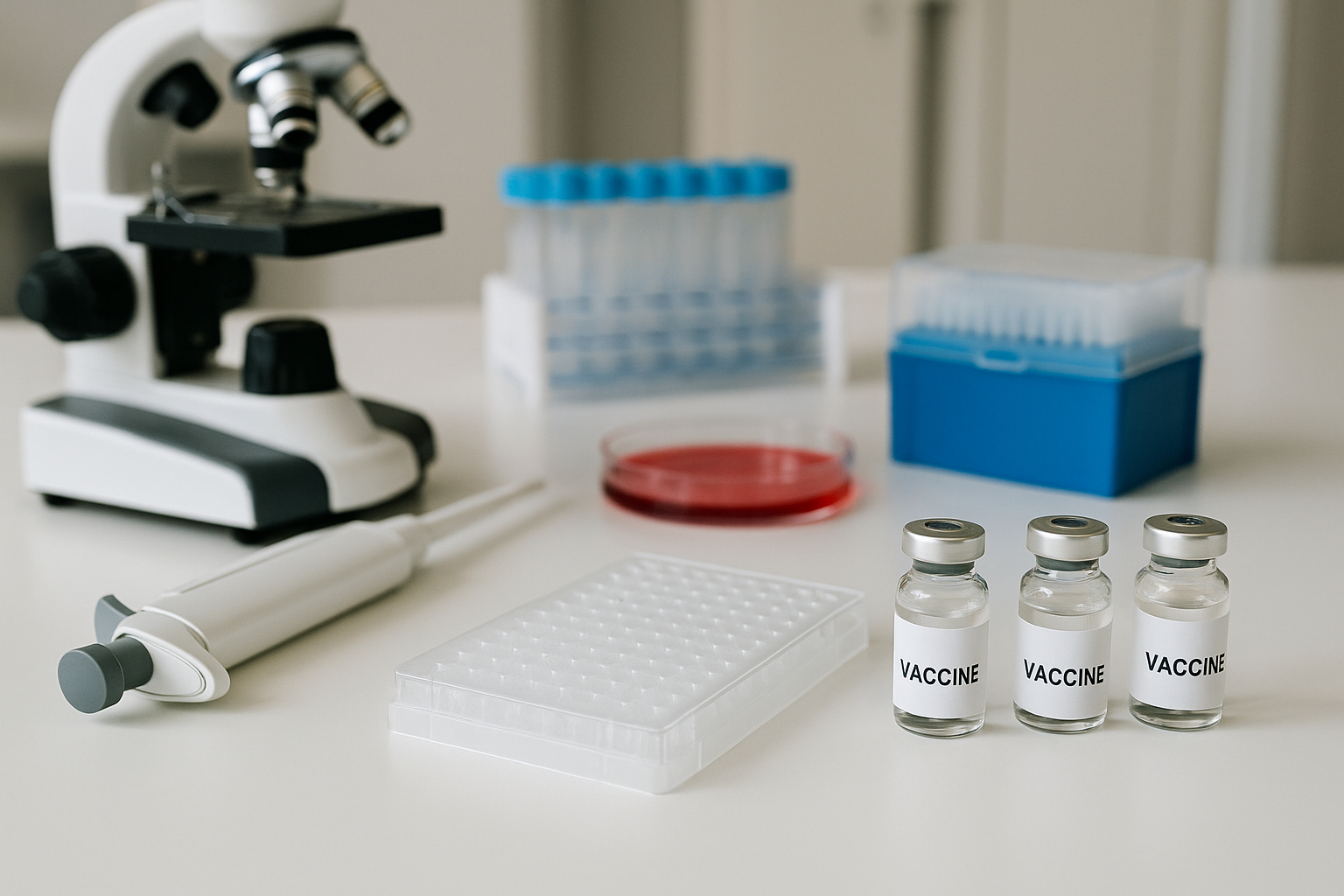
Biopharma is entering a new era of innovation, driven by advanced research and cutting-edge technologies that are transforming how diseases are treated. From gene editing to personalized therapies and next-generation biologics, new breakthroughs are pushing medicine forward at a remarkable pace. These advancements are offering hope for conditions once considered untreatable and shaping the future of global healthcare. Understanding the latest trends helps highlight how biopharma continues to redefine modern treatment strategies.
Targeted Therapies for Complex Diseases
One of the biggest shifts in biopharma is the rise of targeted therapies designed to treat diseases at their molecular roots. Instead of one-size-fits-all medications, scientists now develop treatments that aim directly at genetic mutations, cellular pathways, or specific biological markers. These therapies have shown encouraging results in cancer, autoimmune disorders, and rare diseases. By narrowing their focus, targeted drugs improve effectiveness while reducing harmful side effects.
Advancements in Precision Medicine
Precision medicine is changing the way physicians diagnose and treat patients. By analyzing genetics, biomarkers, and personal health data, doctors can recommend therapies tailored to each individual. This personalized approach increases success rates and minimizes trial-and-error treatment. As laboratory technology becomes faster and more affordable, precision medicine is expanding into broader areas like diabetes, cardiovascular disease, and neurological conditions.
Gene and Cell Therapy Breakthroughs
Gene editing technologies, including CRISPR, are opening the door to treatments that correct the underlying cause of genetic disorders. Gene therapy introduces or repairs genetic material, while cell therapy uses engineered cells to fight conditions such as blood cancers. These breakthroughs are offering life-changing possibilities for patients with inherited diseases, where traditional drugs have limited impact. As research continues, gene and cell therapies are expected to grow rapidly in both adoption and effectiveness.
Next-Generation Biologics and mRNA Platforms
Biologics—complex drugs made from living cells—are becoming central to treating chronic and immune-related conditions. New formats such as bispecific antibodies, antibody-drug conjugates, and mRNA-based therapies are advancing rapidly. The success of mRNA vaccines has accelerated interest in using the technology for other conditions, including cancer and rare metabolic diseases. These platforms allow for faster development and more adaptable treatment designs.
Conclusion
Biopharma breakthroughs are reshaping the future of medicine with targeted therapies, precision approaches, gene editing, and next-generation biologics. Each innovation brings the world closer to treating conditions once considered incurable. As research accelerates, patients can look forward to safer, more effective treatments that redefine what modern healthcare can achieve.