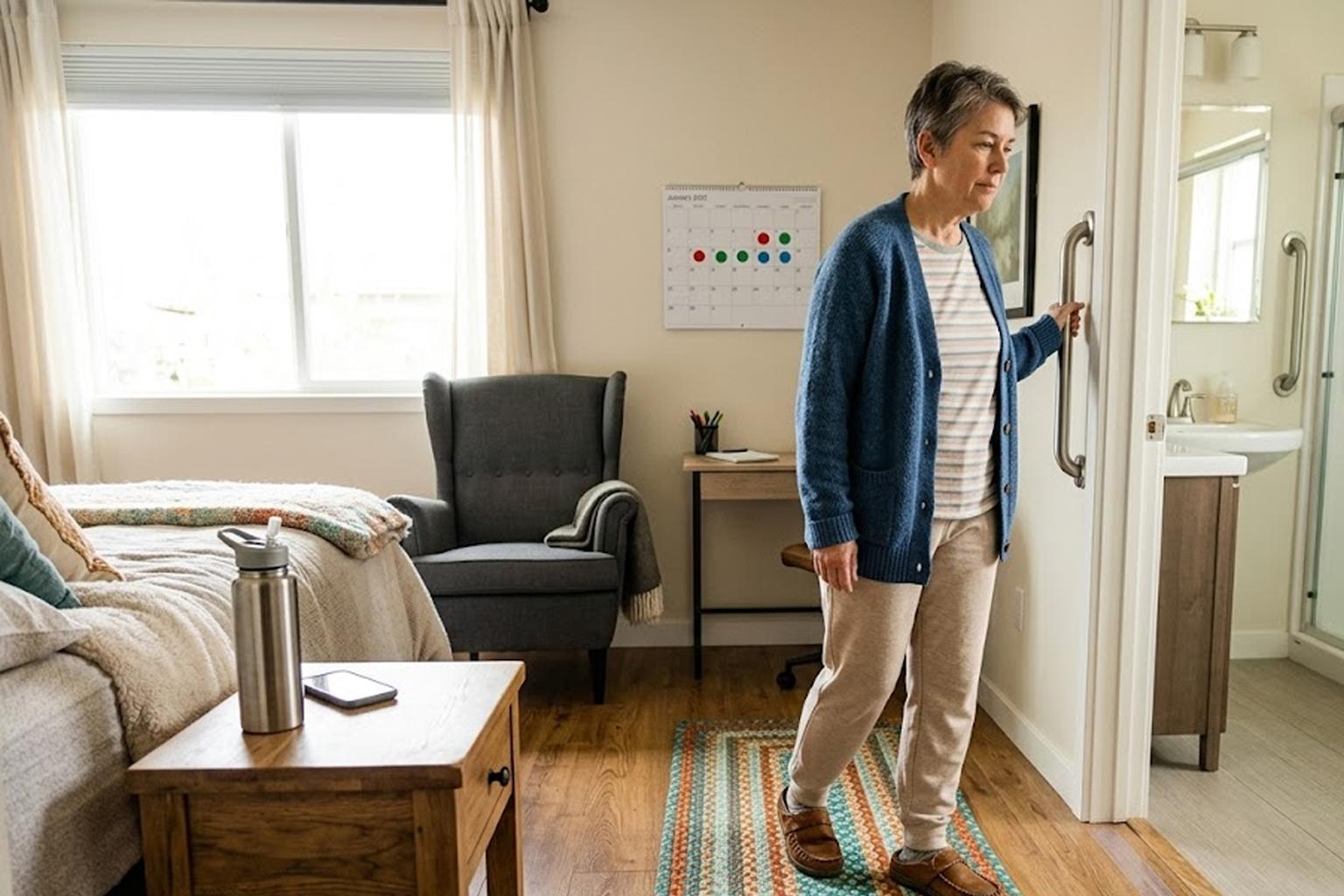
Small changes around the home can make a big difference when you’re recovering from injury or a medical treatment. Thoughtful adjustments reduce unnecessary strain, lower the risk of setbacks, and let you move with more confidence day to day. This piece focuses on practical, low-cost steps that support safer movement without overhauling your living space. Read on for straightforward ideas you can try this week.
Clear and predictable walking paths
Keep primary walking routes free of clutter and tripping hazards so each step is predictable. Move rugs, tuck electrical cords behind furniture, and store items you use often within easy reach to avoid bending or reaching awkwardly. Pay attention to changes in floor height—thresholds, uneven transitions, and loose mats all deserve fixes or clear markers. Lighting matters too: brighter, consistent light reduces missteps and conserves mental energy while navigating your rooms.
Marking a consistent route from bed to bathroom or from chair to kitchen simplifies movement, especially when fatigue or pain flares up. A small upfront effort rearranging a few items can prevent many risky moments throughout recovery.
Add simple supports and visible cues
Install inexpensive grab bars or stable handholds where you naturally need support, such as near toilets, in showers, and alongside stairs. Non-slip materials under rugs and adhesive strips in tubs make wet areas safer without major construction. Place a sturdy chair with armrests in spots where you pause or do light activities—these serve as reliable rest points and make standing or sitting easier. Visual cues like contrasting tape on steps or a brightly colored runner can help your eyes judge distances more quickly.
- Grab bars by toilets and tubs
- Non-slip mats and tape in wet zones
- A sturdy, well-placed chair for rest
Choose solutions that feel natural to your routine so you actually use them; practicality beats perfection when daily comfort is the goal.
Short, scheduled movement and pacing
Break activity into short, manageable bursts instead of pushing through long sessions that cause sore muscles or fatigue. Aim for frequent, gentle movement—standing, walking a few minutes, or light stretching—spread across the day to maintain circulation and function. Use simple timers or calendar reminders to prompt these mini-sessions and reduce the chance of overexertion. Pay attention to how your body responds and adjust duration or intensity accordingly.
Consistent, modest effort builds endurance without provoking setbacks, and it helps you notice real improvements over weeks rather than chasing big changes overnight.
Conclusion
Thoughtful, low-cost home adjustments protect movement and reduce the chance of reinjury during recovery. Clear paths, simple supports, and short, regular activity sessions all add up to safer daily living. Start with one change this week and build from there as comfort and confidence grow.