Living with persistent muscle or joint pain means everyday choices at home can either support recovery or perpetuate flare-ups. By adjusting routines, redistributing physical demands, and encouraging gentle progressive movement, you reduce repeated strain and build tolerance. These changes don’t require special equipment and can be integrated into common rooms and daily tasks. Work with your clinician to tailor specifics, but the principles below offer a practical starting point for safer daily living.
Set supportive daily patterns
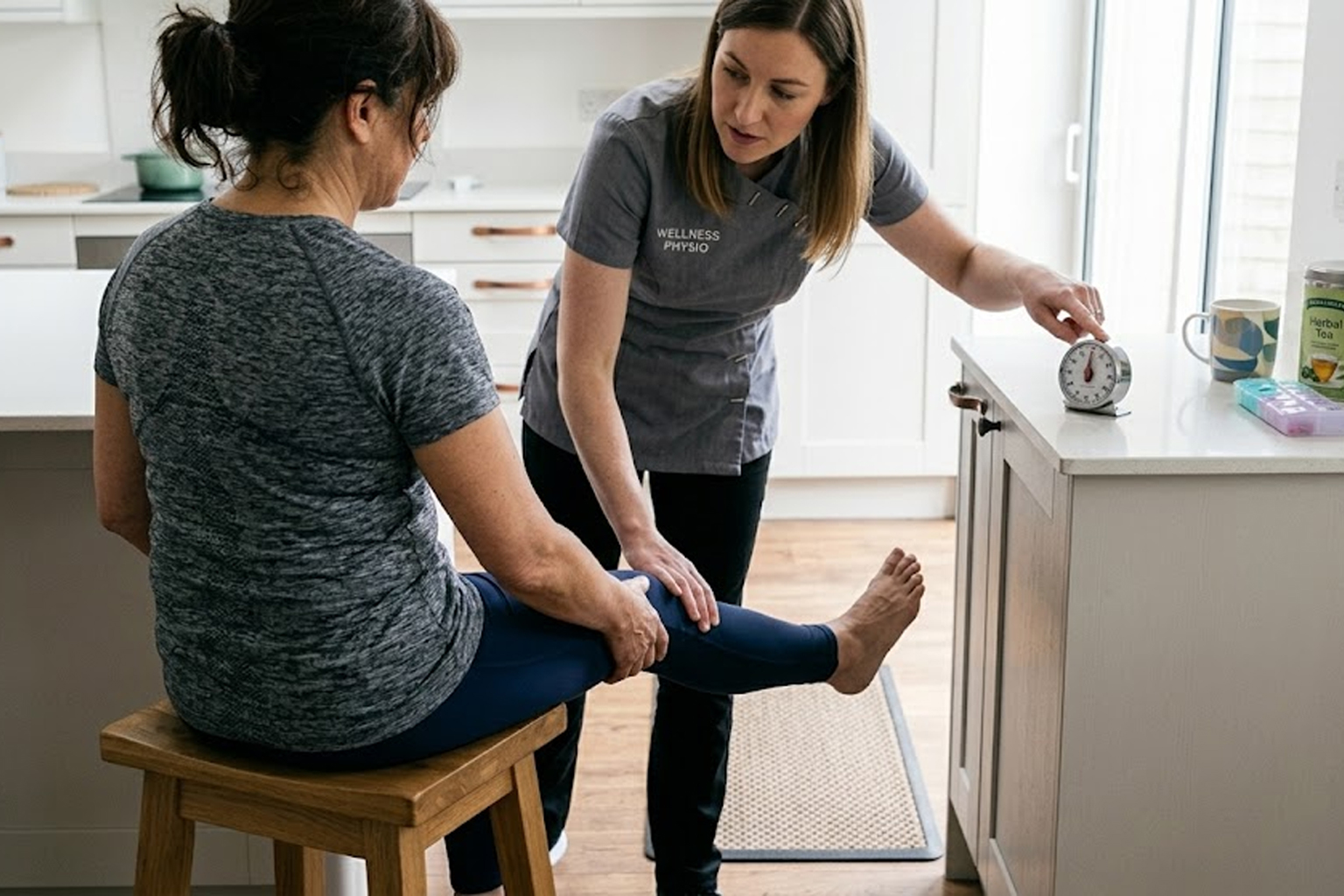
Consistency and pacing are central: plan short movement sessions, scheduled rest, and predictable task pacing across the day to avoid sudden overload. Favor multiple brief mobility or strength efforts rather than one long, fatiguing session, and allow recovery between demands. Use simple reminders—timers, checklists, or environmental cues—to shift posture and perform light exercises throughout the day. Over time these small, repeatable habits increase confidence and tissue tolerance without provoking setbacks.
Begin by inserting two to four brief movement breaks into your usual routine and keep them simple and specific. Track how activities affect comfort and adapt gradually rather than pushing through sharp pain.
Manage load with smarter movement choices
How you move matters as much as how often: attention to alignment, muscle engagement, and task sequencing reduces unnecessary joint stress. Break complex tasks into smaller steps, use larger muscle groups for lifting, and keep objects close to the body to minimize leverage. Choose alternative techniques that lower peak loads, such as sliding or rolling items, using both hands, or sitting when possible instead of sustained standing. Training consistent movement patterns helps the nervous system learn safer strategies.
Practice these adjustments during low-demand activities until they become automatic, then introduce slightly greater challenge in controlled steps. This progressive approach balances strengthening with protection.
Design a comfortable environment
Arrange everyday spaces so common tasks require less reaching, bending, and twisting. Adjust chair and counter heights, store frequently used items at waist to chest level, and create a dedicated area for short mobility work. Consider lighting, supportive footwear, and clear walkways to reduce slips, trips, and compensatory movements that can trigger pain. Small, local changes often yield large reductions in cumulative strain.
- Place a stool near high-use counters to alternate sitting and standing.
- Keep a basket at waist height for laundry transfer instead of bending to the floor.
- Use non-slip mats and clear clutter from walking routes.
Combine environmental tweaks with movement habits and pacing strategies for the most reliable benefits. Together they lower daily burden and support steady progress.
Conclusion
Adapting your home life is a practical, low-cost way to support safer, steadier pain recovery. Start with a couple of manageable changes, monitor how you respond, and increase demands gradually. Over time these adjustments help reduce flare-ups and restore more reliable function.