Starting an exercise routine at home while living with a medical condition requires careful planning and realistic expectations. Small, consistent steps often yield more benefit and lower risk than aggressive plans that ignore current limitations. Understanding symptoms, current medications, and any recent clinical guidance will help shape safe activity choices. This overview outlines practical steps to create a sustainable, low-risk home fitness approach.
Assessing Personal Limitations
Begin by cataloguing current symptoms, mobility restrictions, and any triggers that worsen the condition. Consider resting heart rate, balance, joint pain, breathing comfort, and fatigue patterns when selecting activities. If possible, consult a clinician or certified professional for tailored recommendations and any red-flag symptoms to watch for. Baseline assessments help set measurable, attainable goals that reflect real-world capacity.
After identifying limitations, prioritize exercises that respect those boundaries. Choosing supportive equipment, like a stable chair or non-slip mat, can reduce risk and build confidence. Regularly re-evaluate restrictions as conditioning improves or as medical status changes.
Designing Low-Impact Progressions
Focus on low-impact movements that promote strength, flexibility, and cardiovascular health without overstressing tissues. Examples include seated resistance work, controlled squats to a chair, gentle yoga flows, and short walking intervals adjusted for pace and duration. Structure sessions with warm-up, main work, and a cool-down, keeping intensity moderate and using perceived exertion as a guide. Progressive overload should be gradual, increasing duration or repetitions before intensity to minimize flare-ups.
Balance variety with consistency to maintain interest while avoiding sudden changes. Small, repeatable progressions often prevent setbacks and encourage long-term adherence.
Monitoring, Safety Cues, and Modifications
Establish simple monitoring strategies to ensure safety during and after sessions. Track symptoms, sleep, and energy levels; note any new or worsening pain, dizziness, or shortness of breath. Use objective measures like time, step counts, or repetition targets alongside subjective scales to guide adjustments. Create a short list of modifications to reduce load when needed, such as reducing range of motion, slowing tempo, or switching to seated variations.
- Stop if you experience severe pain, numbness, or sudden breathlessness.
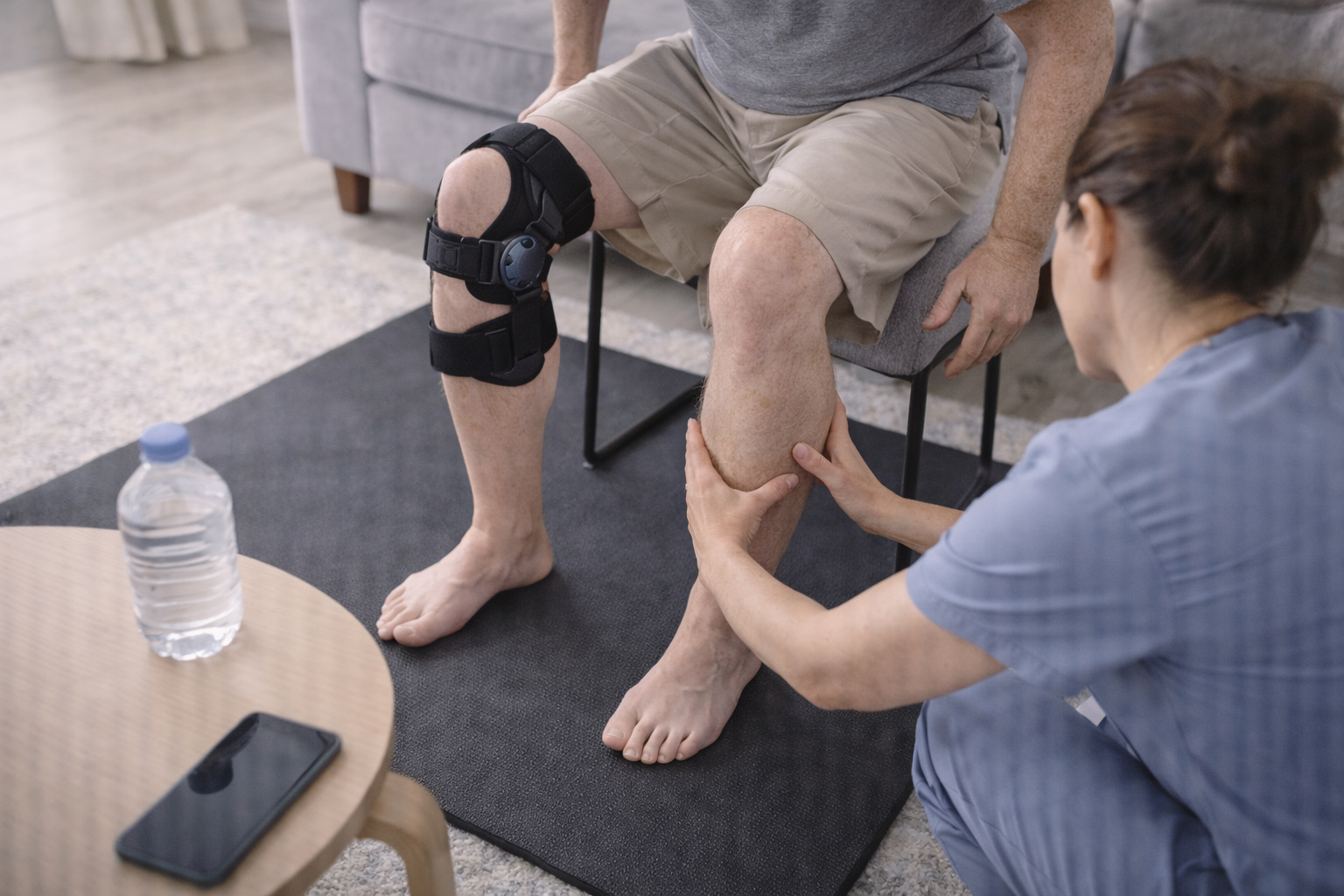
- Keep water and a phone nearby for emergencies.
- Record sessions to identify patterns and improvements.
Consistent monitoring supports safer progression and helps flag when professional review is needed. Simple records can also motivate adherence and highlight gains over time.
Conclusion
Adapting home workouts for medical conditions centers on realistic assessments, low-impact progressions, and ongoing monitoring. Prioritize safety, gradual increases, and responsiveness to symptoms to reduce risk and build resilience. With careful planning and modest goals, home exercise can support health without unnecessary strain.