Persistent musculoskeletal pain can be frustrating, but a structured, balanced approach at home makes steady improvement possible. Start by clarifying realistic goals and tracking small changes in function rather than focusing only on pain intensity. Combine gentle movement, targeted strengthening, and practical lifestyle adjustments to support resilience over time. Consistency and gradual progression are the keys to rebuilding comfort and capacity.
Understand Your Pain and Set Practical Goals
Begin by observing how pain affects your daily tasks and identify one or two meaningful activities you want to improve. Use simple measures like activity logs or brief self-checks to notice patterns, triggers, and times of day when symptoms are better or worse. Setting small, measurable goals helps avoid overexertion and keeps progress manageable. Focus on improving function—such as standing longer or walking further—rather than chasing complete absence of pain.
Regularly revisit goals and adjust them as resilience grows. Small wins build confidence and reduce the likelihood of flare-ups.
Introduce Gentle Movement and Graded Exposure
Movement is essential, but it should be introduced gradually to avoid setbacks. Start with short, frequent sessions of low-impact activities like walking, aquatic movement, or controlled range-of-motion exercises that feel tolerable. Use the principle of graded exposure: increase duration or intensity in small steps once activities can be completed without significant worsening. Pay attention to technique and controlled pacing to protect vulnerable tissues while encouraging adaptation.
Consistency with these small progressions helps rebuild tolerance and reduces fear of movement. Over weeks, these habits can expand capacity and lower activity-related pain.
Build Strength and Flexibility Strategically
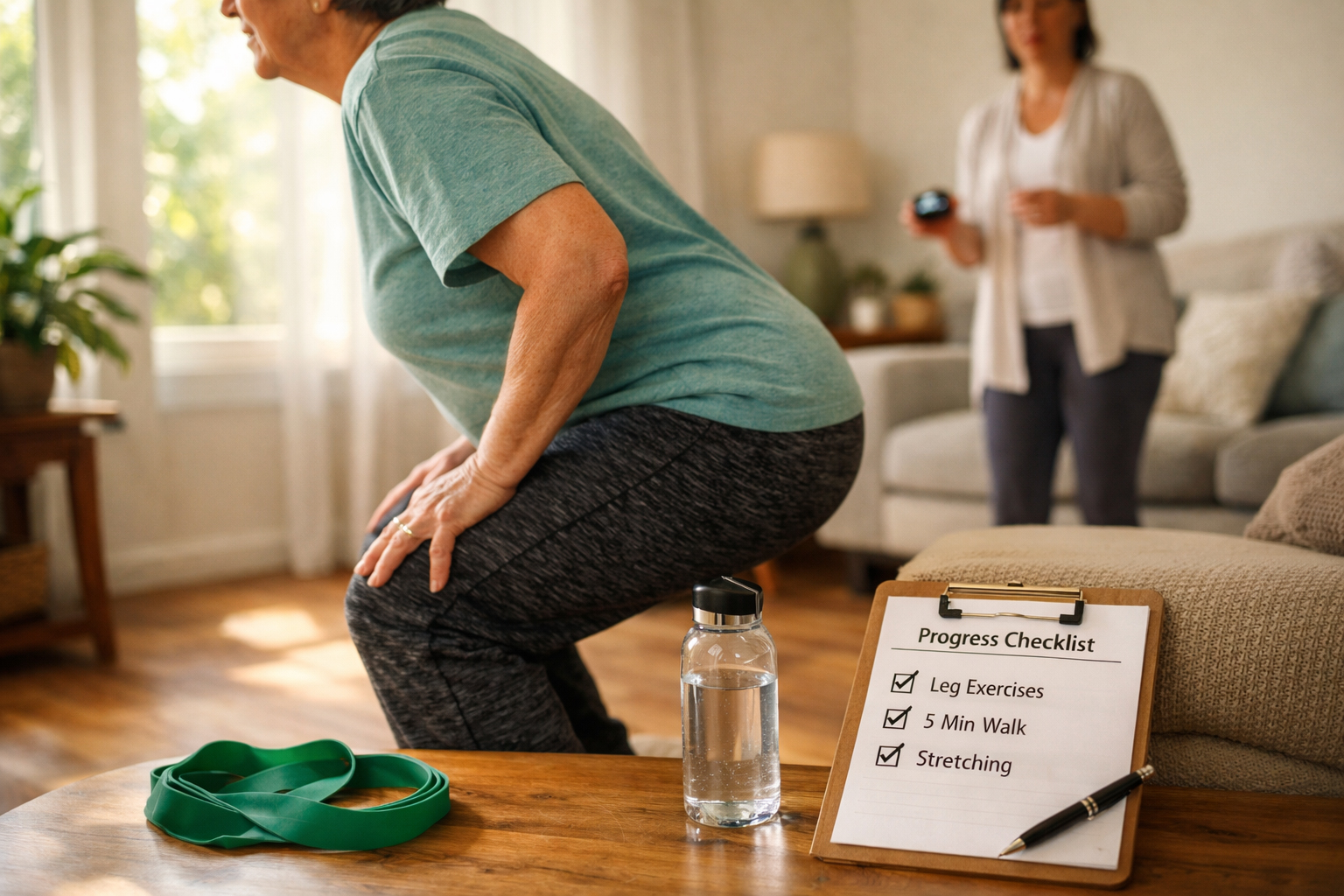
Targeted strength work supports joint stability and reduces load on painful structures, while gentle flexibility helps maintain comfortable motion. Choose simple, functional exercises that mimic daily tasks—sit-to-stands, gentle hip or shoulder strengthening, and core activation are commonly useful. Aim for two to three brief sessions a week, starting with low resistance and focusing on control rather than heaviness. Integrate mobility drills that are specific to the areas that limit your activities.
Gradual increases in resistance and range should follow comfort and function. If uncertain, start with bodyweight movements and progress conservatively.
Adapt Your Environment and Pace Daily Life
Small environmental and routine adjustments can reduce strain and help sustain activity. Optimize ergonomics at work and at home, vary positions frequently, and plan rest breaks within tasks to prevent buildup of pain. Use pacing strategies: break larger activities into shorter segments, and alternate demanding tasks with lighter ones to balance recovery. Healthy sleep, hydration, and stress management also influence pain perception and recovery.
These practical supports make exercise and movement easier to maintain. Over time they contribute to fewer flare-ups and more reliable function.
Conclusion
Recovering function with persistent pain is a gradual process that rewards steady, balanced effort. Combine realistic goals, graded movement, targeted strength, and smart pacing to rebuild capacity. With consistency and sensible progression, most people can improve comfort and regain meaningful daily activities.