Living with persistent musculoskeletal pain often means rethinking daily patterns to protect function and reduce flares. Small, consistent routines can improve mobility, reduce stiffness, and support resilience over time. This article outlines approachable strategies you can adapt at home without special equipment. Focus on pacing, gentle strengthening, and environmental cues to make daily life more manageable.
Assessment and Pacing
Start by observing how activities affect symptoms across a day and week. Keep a brief log noting tasks, pain levels, and energy to identify triggers and safe activity windows. Use graded pacing: break tasks into shorter efforts with planned rest rather than pushing through and then requiring long recoveries. This helps maintain function while avoiding boom-and-bust cycles. Consultation with a clinician or therapist can help tailor pacing strategies when uncertainty exists.
Prioritize activities that matter most and schedule easier tasks between demanding ones. Over weeks, gradually increase the active time as tolerance improves. Small, measurable increases each week are a reasonable goal.
Gentle Strengthening and Mobility
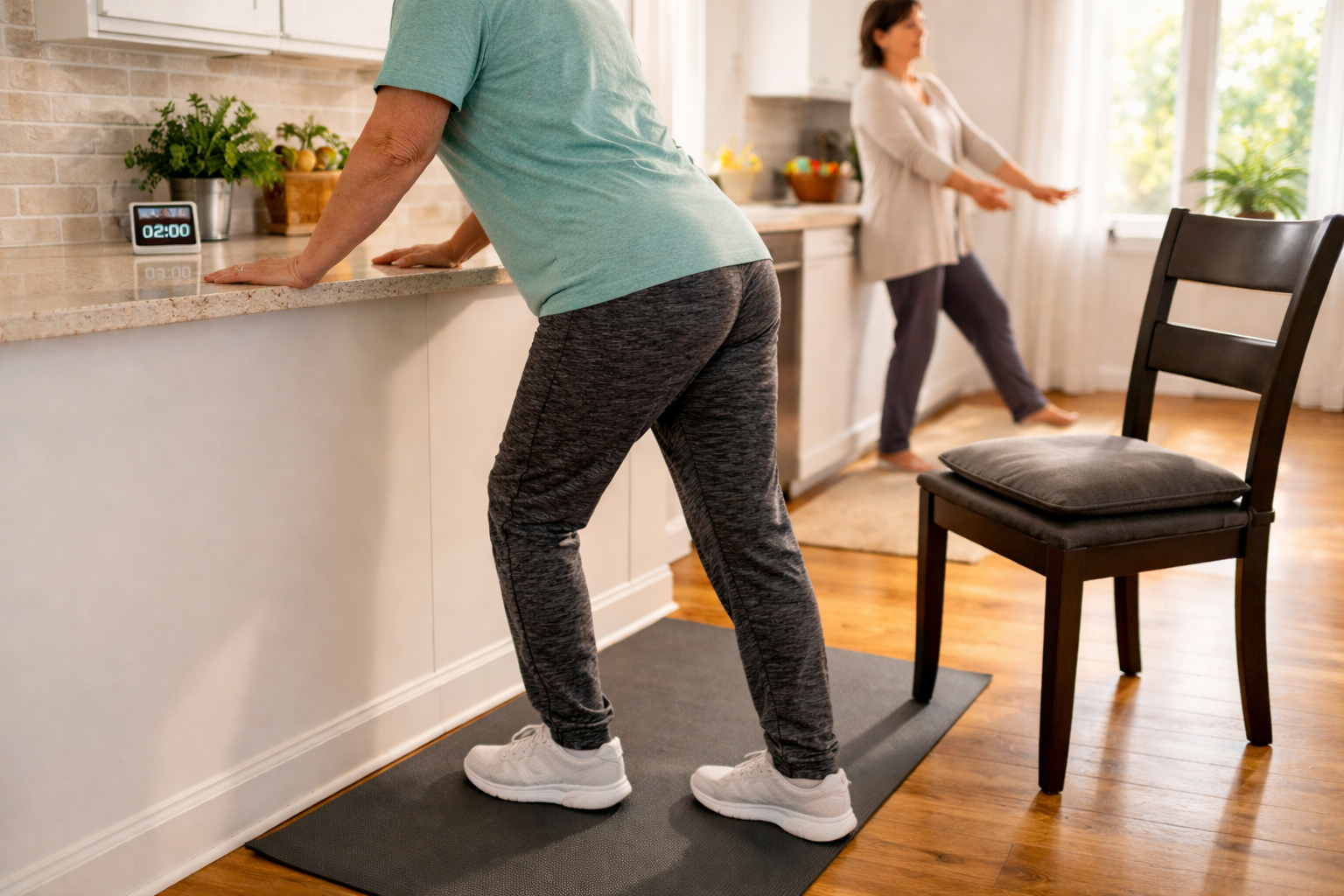
Combine low-load strengthening with mobility work to support joints and muscles without provoking pain. Focus on multi-directional movement, single-joint range-of-motion, and slow resistance using bodyweight, bands, or light household items. Aim for frequent short sessions—two to three times daily for mobility and two to three weekly strength sessions—adjusting intensity based on tolerance. Consistency matters more than intensity; small progressions reduce risk of setbacks. If available, brief guidance from a movement specialist can speed safe progression.
Work within comfortable limits and track small gains like improved range or ease of daily tasks. If certain moves increase symptoms, scale back or substitute with gentler options. Tracking repetitions or range helps guide gradual increases without guessing.
Environment and Daily Habits
Modify your home setup to reduce strain: optimize chair height, keep frequently used items within reach, and create easy paths to move with fewer stops. Sleep posture, supportive footwear, and timed breaks during prolonged sitting or standing all influence symptom load. Use simple aids—pillows for lumbar support, non-slip mats, or jar openers—to conserve energy and protect joints. Small environmental changes often produce noticeable daily benefits. Lighting and clutter reduction can also lower the risk of awkward movements or trips.
- Set a timer for micro-breaks every 30–60 minutes.
- Alternate standing and sitting during chores.
- Use warmth for stiffness and cool packs after intense activity.
Combine these adjustments with movement routines for an integrated approach. Over time, environmental supports reduce cumulative strain and make routines sustainable. Regularly reassess needs as function changes so supports stay relevant.
Conclusion
Creating consistent, small daily practices can lessen the impact of ongoing pain and improve function over time. Emphasize pacing, gentle strengthening, and thoughtful environment adjustments tailored to your needs. Regular review and gradual progression help maintain gains without overwhelming the body.