When a workout at home turns into an injury, the paperwork can feel as painful as the mishap itself. Knowing which policy responds first — your health plan, renter or homeowner insurance, or someone else’s liability — shortens the guessing. This piece lays out practical steps insurers typically expect and the records that make claims smoother. Read on for a prioritized checklist to help you manage bills and avoid delays.
Primary Payers and Order of Responsibility
Start by contacting your health insurer about emergency treatment and follow-up care because medical plans usually cover immediate care for accidental injuries. If equipment malfunction or a visitor’s negligence caused the incident, homeowner or renter liability may come into play to cover other parties’ medical costs. Some plans call this third-party subrogation: the insurer pays first, then pursues recovery from a liable party or their carrier. Familiarize yourself with your policy’s emergency clauses, networks, and out-of-pocket limits so you know what to expect when bills arrive.
Keep a clear timeline of who you contacted and when. That helps both the health insurer and any liability carrier coordinate benefits and reduce the chance of duplicate billing or denials.
When Homeowner or Liability Insurance Matters
If a piece of gym equipment failed or a guest was injured, liability coverage under a homeowner or renter policy can be significant. These policies focus on bodily injury to visitors and damage to others’ property, but they vary on whether they cover accidents involving fitness equipment. Exclusions may exist for professional trainers, business use of the space, or equipment used for paid classes.
Notify your homeowner or renter carrier promptly and provide the same basic facts you gave your health insurer. Early notice avoids procedural denials and gives the carrier time to investigate and potentially accept responsibility.
Documentation and Timelines to Speed a Claim
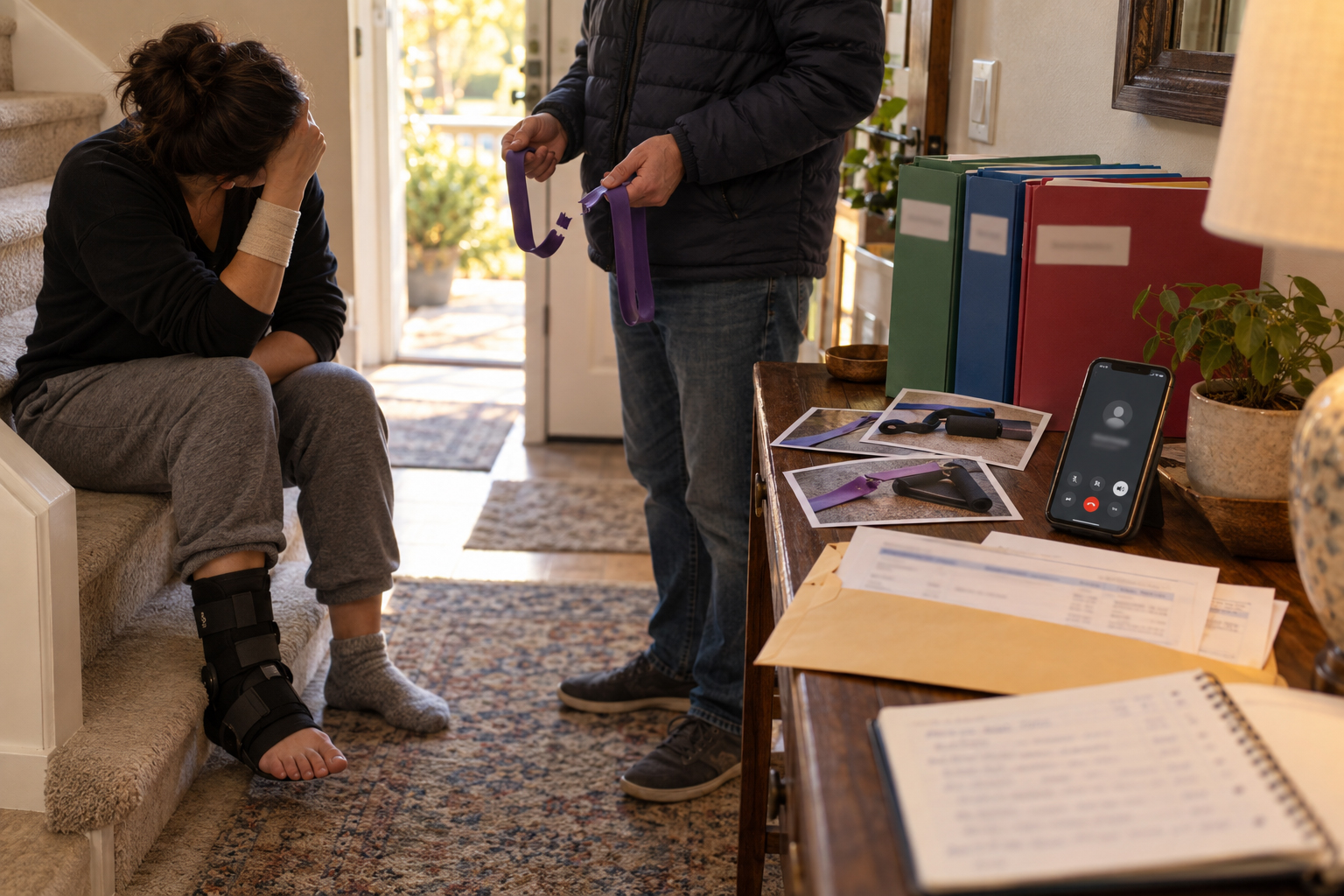
Organized records are the most persuasive element in any claim. Collect photographs of the scene and equipment, medical records and bills, names and contact details of witnesses, and any maintenance or purchase receipts for the equipment involved. Date-stamped evidence lets carriers construct an accurate sequence and limits disputes about when the event happened.
- Photograph injuries and equipment from multiple angles as soon as possible.
- Save all receipts, prescriptions, and medical summaries.
- Record conversations with providers and insurers, noting dates and reference numbers.
Submit documents quickly according to each policy’s notice requirements. If a carrier requests additional proof, respond promptly to prevent administrative denials.
Conclusion
Understanding which policy pays first shortens the claims process and reduces surprise bills. Keep careful records, notify all relevant insurers promptly, and track timelines closely. Those steps improve the chance of a clean settlement and smoother recovery.