Recovery after a procedure or flare-up doesn’t require hours of therapy each day. Small, intentional movements sprinkled through your routine help preserve joint range, reduce stiffness, and build confidence without overwhelming energy reserves. The trick is consistency: short sessions performed several times daily beat one long, sporadic effort. Below are practical, low-effort rituals you can adapt to your home life.
Begin with brief, focused motion
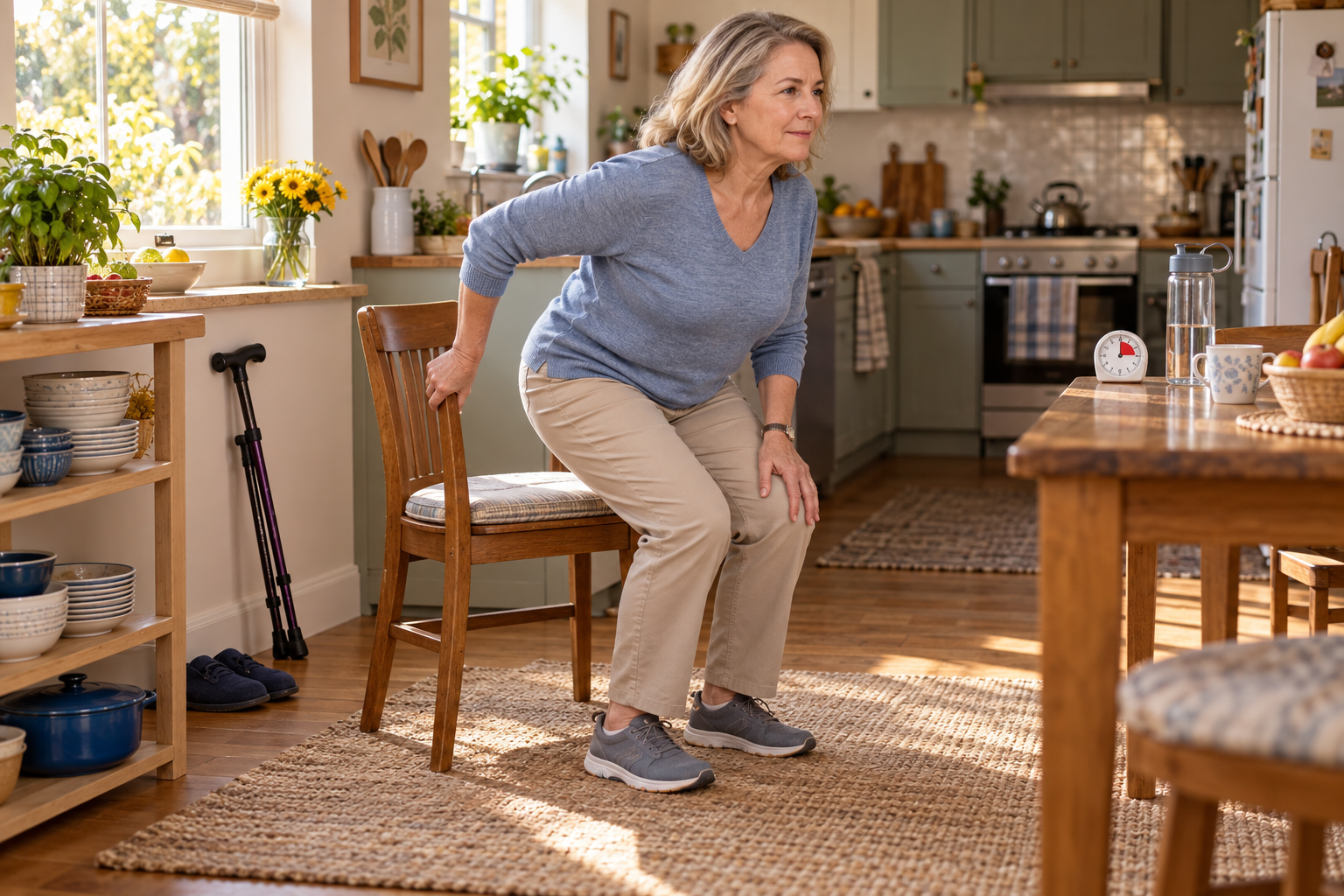
Start each day with a five- to ten-minute sequence that targets the areas that feel tight or weak. Gentle, controlled repetitions — think slow shoulder circles, ankle pumps, or sit-to-stand practice — prime tissues for activity and can lessen the shock of everyday tasks. Keep the tempo deliberate: quick, jerky movements tend to provoke pain, while steady control promotes safe loading. Use a timer or habit cue, like after brushing teeth, to make this tiny routine automatic.
Short sessions are easier to maintain than long workouts, and they add up across a day. Even when energy is low, doing one or two movements keeps progress moving forward.
Pace activity and respect limits
Pacing means breaking tasks into manageable chunks rather than powering through once. If a household chore feels demanding, split it into 10-minute bursts with rest or light mobility between. Monitor symptoms: mild, transient discomfort is expected, but sharp or worsening pain signals the need to stop and reassess. Adjust speed, support, or range to stay within a comfortable challenge zone.
Learn to read your body as feedback rather than a barrier. Consistent, measured effort reduces the chance of setbacks and builds reliable stamina over weeks.
Tweak your environment to encourage movement
Small changes at home remove friction and make gentle motion easier to practice. Place frequently used items within easy reach to avoid unnecessary twisting or reaching; keep a stable chair in key rooms for balance support during standing exercises. Use non-slip rugs and clear walkways to reduce fall risk and anxiety that can inhibit movement. Better layout often means more natural opportunity for short practice sessions.
These tweaks don’t require major renovations; simple, inexpensive adjustments can make daily movement less intimidating and more likely to happen.
Conclusion
Short, repeated movement rituals protect recovery by keeping tissues active without causing overload. Combine brief exercises, sensible pacing, and small environmental tweaks to make progress feel manageable. Over time these modest habits add up to steadier movement and greater confidence at home.