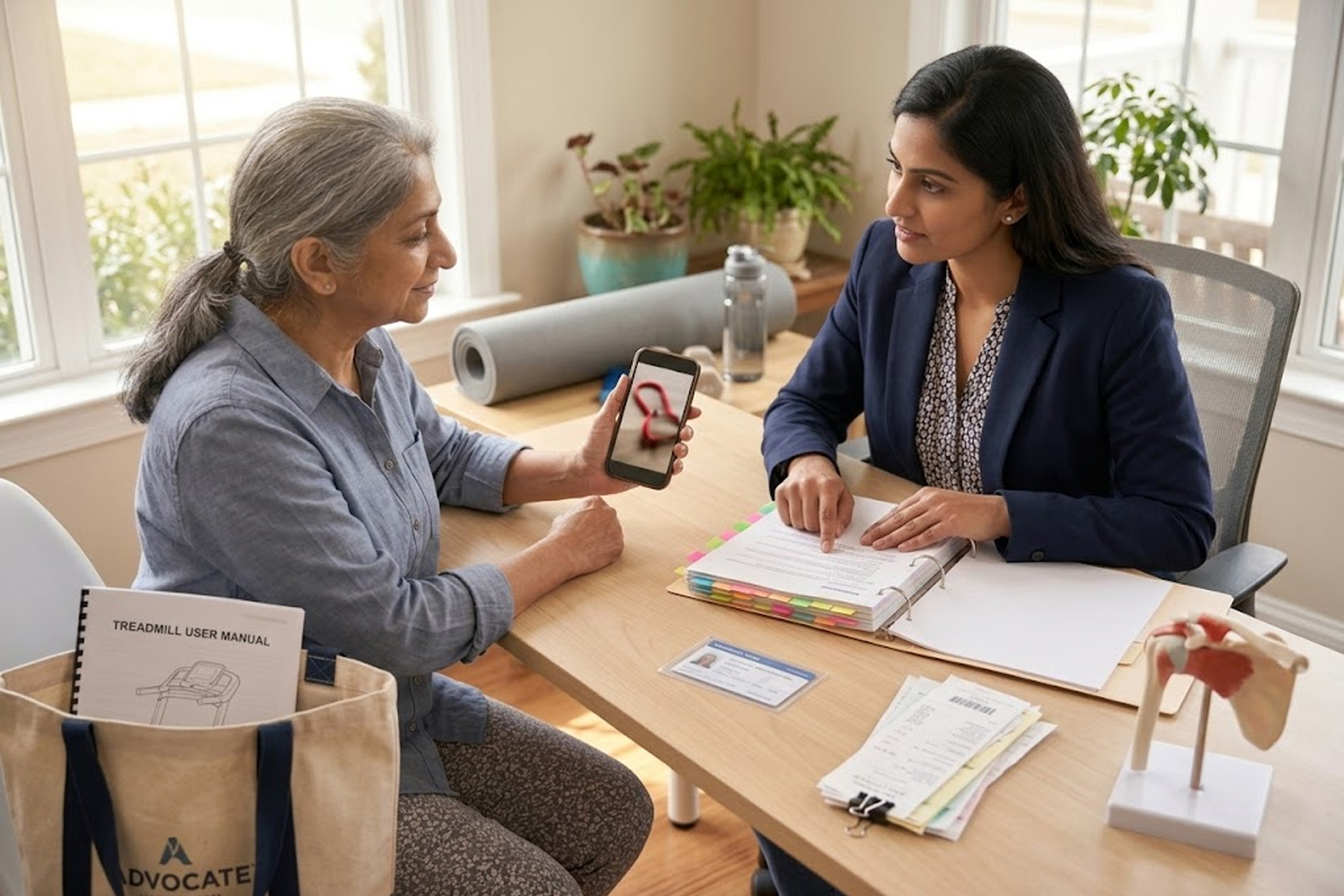
Setting up a home gym gives you freedom, but it also shifts responsibility for injuries and bills onto you. Before you sweat through a routine, it pays to know how your health policy responds when equipment, a slip, or overuse leads to care. A few targeted questions to your insurer can prevent surprises and help you plan for follow-up treatment. This short guide points out the clauses and practical steps to check so a workout mishap doesn’t become a financial headache.
Key policy items to review
Start with the basics: what the plan classifies as emergency versus non-emergency care, and whether urgent care, ER visits, or telehealth are covered differently. Look for statements about rehabilitation, physical therapy limits, and durable medical equipment—these can determine whether ongoing recovery stays affordable. Check network rules and out-of-network penalties; a specialist or therapist you prefer might not be in-network, which can change costs dramatically. Also scan exclusions for activities or at-home incidents that the insurer does not cover.
These points shape how much you’ll pay and where you’ll get treatment, so document the answers and save them with your policy details.
How claims and documentation work
When an injury occurs, the right paperwork speeds claims and reduces dispute risk. Note the date, time, location, and what happened; take photos of injuries and any faulty equipment, and keep receipts for any immediate care, supplies, or repairs. Be aware of prior-authorization requirements for imaging or specialist visits—skipping preauthorization can lead to denials even for valid claims. Ask your insurer how long you have to file a claim and whether telehealth consults count toward network requirements.
- Record a timeline while memories are fresh.
- Keep all bills and referral notes together.
- Request written confirmation of any preauthorization.
Clear records and prompt communication with claims representatives often make the difference between an accepted claim and months of appeals.
Practical steps to lower risk and cost
Reduce both injuries and surprise bills by taking preventive and administrative steps. Maintain equipment and follow manufacturer warnings, register major gear so recalls reach you, and consider a basic liability policy if guests use your gym. Review riders or add-ons that expand rehab or outpatient coverage if you plan regular strength training or high-impact workouts. Finally, confirm whether tele-rehab or home-visit therapy is paid—these options can speed recovery without expensive facility stays.
Small upfront choices—better gear, a quick call to your insurer, or a modest insurance add-on—can save money and time after an injury.
Conclusion
Ask specific, documented questions about emergency care, rehab limits, network rules, and claim deadlines so there are no surprises after a home gym injury. Keep simple evidence habits—photos, receipts, timelines—and confirm preauthorization paths before major treatments. With a few proactive steps, you can protect your health and your finances while exercising at home.