When a home workout leads to an injury, knowing what evidence insurers expect can speed claims and reduce denials. Clear, timely documentation helps payers verify medical necessity and link treatment to the event. Preparing the right records ahead of time also protects you from avoidable disputes about timelines and causation. This guide outlines practical steps to collect and organize the most relevant information after a workout-related injury.
Why clear documentation matters
Insurers assess claims against policy terms, medical necessity rules, and timelines, so documentation that connects the injury to treatment is essential. Without contemporaneous notes, insurers may question whether care was related to the workout or a preexisting condition. Good records support quicker authorizations for diagnostics, physical therapy, or specialist visits. They also reduce the need for appeals by addressing common gaps up front.
Clear, consistent evidence builds credibility with adjudicators and clinicians reviewing the case. Providing everything in an organized way can shorten processing time and minimize out-of-pocket spending.
Essential items to record after an incident
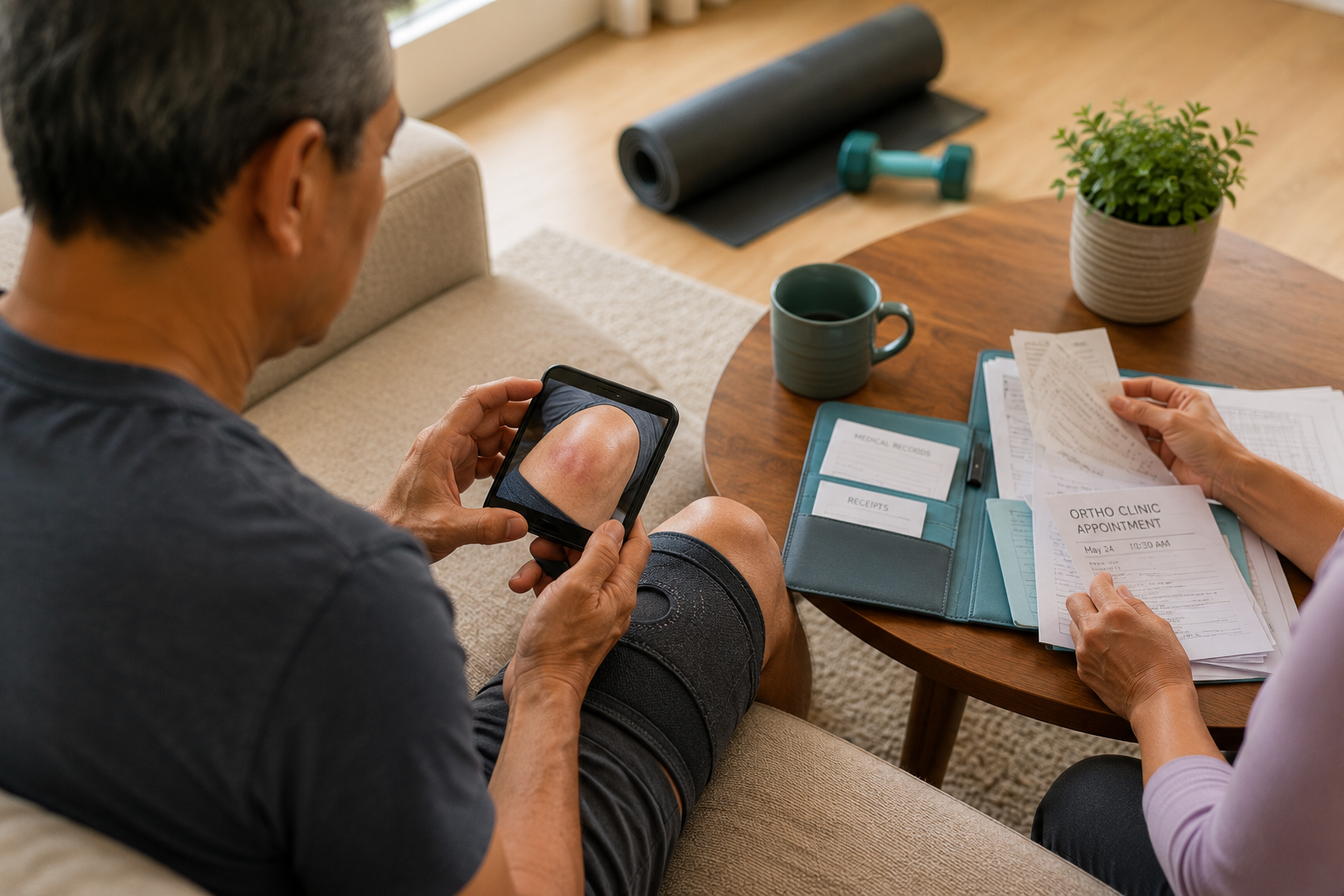
Start by capturing the who, what, when, and where of the incident: date and time, a brief description of the exercise, and the immediate symptoms you experienced. Record any first aid you administered, and take dated photos of visible injuries or equipment involved. Keep copies of communications with anyone who assisted, including telehealth notes, emergency visits, and follow-up appointments. Collect receipts, mobility aids prescriptions, and referrals, since these documents often affect benefit decisions.
- Incident summary with date and time
- Photographs of injuries and scene
- Provider notes and telehealth records
- Receipts, prescriptions, and referral letters
- Any witness statements or communications
Having these items compiled when you file a claim reduces back-and-forth requests from the insurer. It also clarifies the sequence of care for reviewers and appeals teams.
Organizing records and communicating with your insurer
Use a single folder or digital file for all evidence, labeled by date and document type, to simplify submission. When you contact your insurer, reference specific dates, provider names, and document titles so representatives can quickly locate files. If a preauthorization or prior authorization is required for treatment, submit supporting records immediately to avoid delays. Keep copies of every claim form, explanation of benefits, and any written correspondence for at least a year.
Documenting phone calls and noting claim numbers is also helpful if you need to escalate or appeal. A methodical approach makes disputes easier to resolve and supports reasonable coverage outcomes.
Conclusion
Collect incident details, provider records, photos, and receipts promptly to create a strong claims package. Organize files clearly and communicate precise information to your insurer to speed processing. Consistent documentation reduces denials and eases recovery after a home workout injury.